Brown Shih Tzu: How to Identify the Color and Care for the Coat
A brown Shih Tzu may have a rich chocolate coat, soft caramel shading, or brown patches against white, but fur color alone does not tell the whole story. The most useful clues are often the nose, lips, and eye rims: brown pigment in these areas can help distinguish a liver Shih Tzu from a dog whose red, gold, or brindle hair simply looks brown. That distinction matters when comparing puppy photos, understanding a breeder’s description, or wondering why your dog’s coat has become lighter. This guide explains how to check those features, what coat genetics can reveal, and why a chocolate brown Shih Tzu puppy may look different as an adult. You will also learn how to manage the coat, recognize changes that deserve veterinary attention, and ask better questions before choosing a puppy. Start with pigment, look at the whole dog, and keep realistic expectations about future color. A beautiful coat is easier to appreciate when you understand what you are seeing and how to keep your companion comfortable.
Table of Contents
- What is a brown Shih Tzu?
- Which brown-looking color does your Shih Tzu have?
- Why do some Shih Tzus have brown pigment?
- Will a brown Shih Tzu puppy stay brown?
- Are brown and liver Shih Tzus accepted by the breed standard?
- Does a brown Shih Tzu need different care?
- What should you check before choosing a brown puppy?
- Brown Shih Tzu quick answers
- Frequently asked questions
- Final thoughts
What is a brown Shih Tzu?
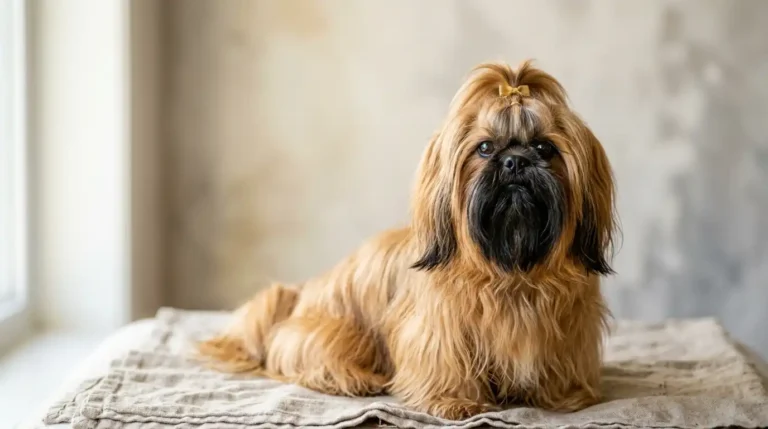
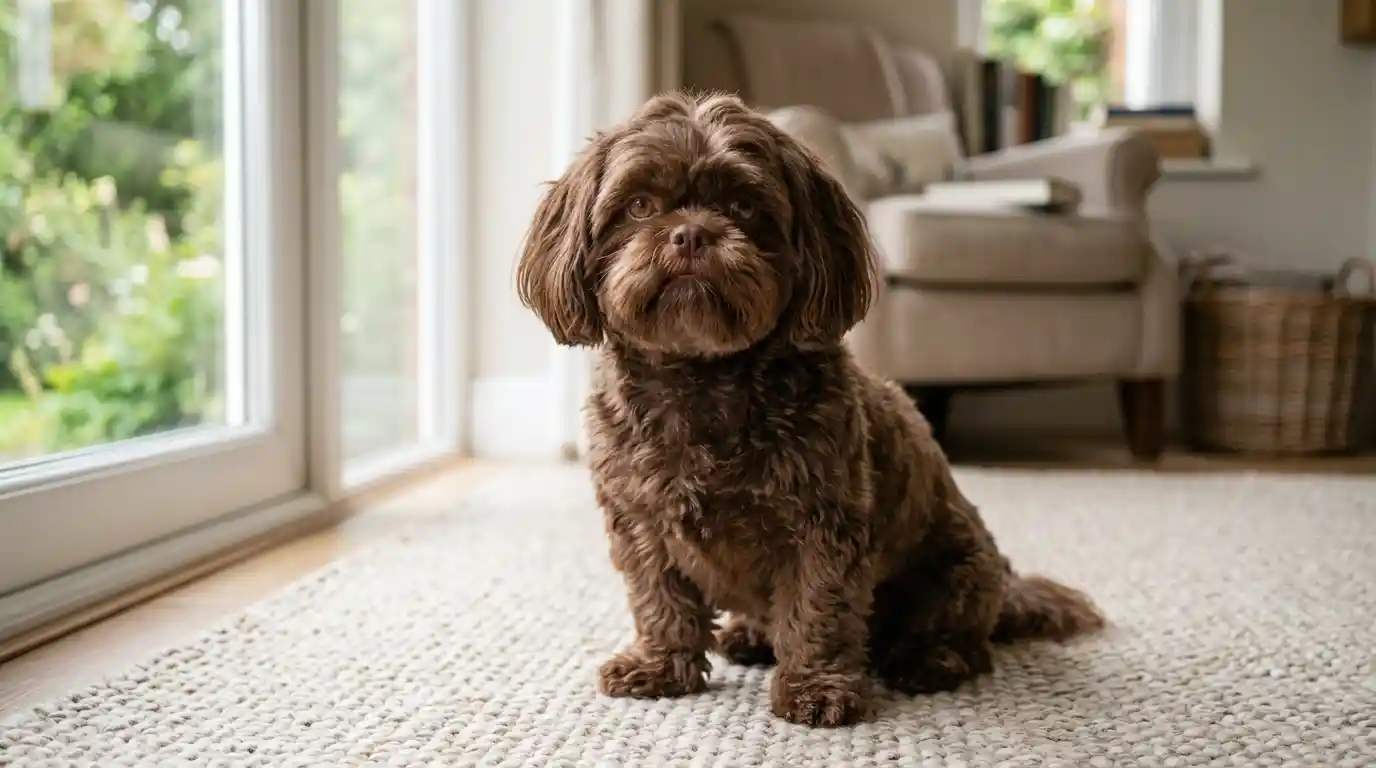
A brown Shih Tzu is a Shih Tzu whose coat looks partly or entirely brown. The description covers several appearances, from a light brown Shih Tzu with warm, sandy hair to a dark chocolate Shih Tzu with deeper shading.
It does not describe a separate breed, size class, or personality type. For a broader introduction, the shih tzu Breed Information section provides a starting point, while the guide to shih tzu colors helps organize the different names you may encounter.
Brown fur versus liver pigmentation
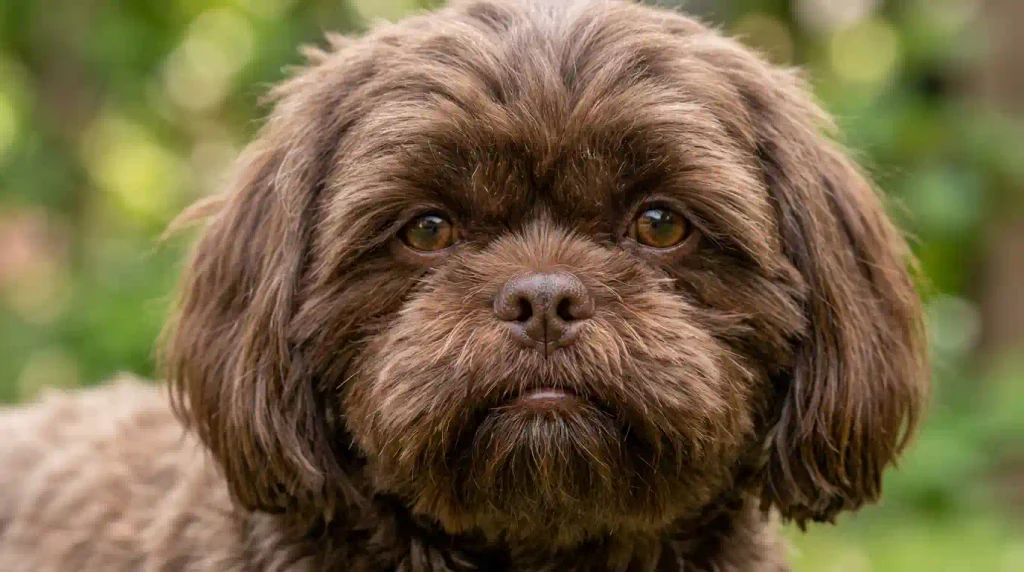
Brown fur describes what the hair looks like. Liver describes brown pigmentation that can also be seen in the dog’s skin points. These include the nose leather, lips, eye rims, and paw pads.
A liver shih tzu can have brown pigment even when much of its hair looks cream, gold, or reddish. Equally, a dog with black pigment may have warm coat areas that an owner casually describes as brown. The label on a puppy advertisement cannot resolve that difference by itself.
You may also see the phrase liver chocolate shih tzu. Ask whether “chocolate” refers to the coat shade, the pigment, or both. Consistent descriptions make comparisons much easier.
The quick nose, lips, and eye-rim check
Choose soft daylight and let your dog sit comfortably. Avoid flash, orange indoor lighting, and social-media filters that change the apparent shade.
- Look at the nose leather. Is it clearly brown, black, or difficult to judge?
- Compare the lip edges and eye rims. Look without pulling the face or opening the eyelids.
- Check the paw pads if your dog allows gentle handling. Treat them as an additional clue rather than the only deciding feature.
- Compare pigment with the hair. A brown coat and brown nose suggest a different interpretation from brown-looking hair and a black nose.
- Record uncertainty. Ask a knowledgeable breeder or veterinarian if pigment is patchy, changing, or hard to distinguish.
A “brown nose Shih Tzu” description is useful only when it reflects actual pigment. Dirt, dampness, shadows, and reflected light can make a quick photograph misleading.
Which brown-looking color does your Shih Tzu have?
Solid brown and brown-and-white appearances
An all brown Shih Tzu appears brown across most or all of its coat. Look beyond the face: a small white chest patch or pale toes may be hidden by long hair. Part the coat gently when checking markings, without tugging on tangles.
A brown and white shih tzu has visibly separate white and brown-looking areas. If its skin points are liver, liver and white shih tzu may be the more informative description. White markings and pigment color describe different aspects of appearance.
Shade descriptions can overlap. An owner may call the same warm coat caramel, light brown, or golden brown shih tzu. Photographs and a clear description of the nose are more useful than expecting every informal label to have a fixed definition.
Liver versus red, gold, brindle, and very dark coats
Use the comparison below to decide what deserves a closer look. It is an observation aid, not a replacement for genetic testing or a breed assessment.
| What you notice | Useful comparison | What to inspect next |
| Warm reddish hair | red shih tzu or red liver shih tzu | Whether the nose and eye rims are black or brown |
| Pale warm hair | blonde shih tzu or tan shih tzu | Pigment and the coat in neutral daylight |
| Warm patches with white | gold and white shih tzu, red and white shih tzu, or tan and white shih tzu | The colored areas, skin points, and any dark hair tips |
| Dark stripes through warmer hair | brindle shih tzu | Repeated striping rather than one even brown shade |
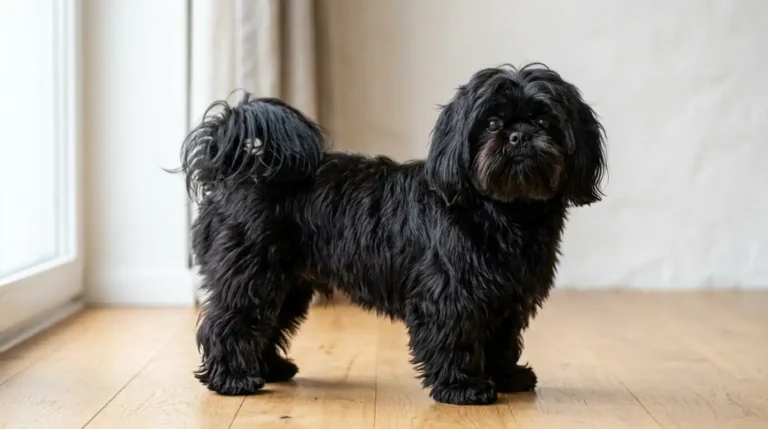
| Very dark overall appearance | black shih tzu or dark brown coat | The nose and individual hairs in indirect daylight |
| Dark hair with brown-looking areas | black and brown shih tzu or black and tan shih tzu | Whether the darker hairs are genuinely black |
Brindle descriptions also vary with the base shade and the amount of striping. Compare a black brindle shih tzu, red brindle shih tzu, silver brindle shih tzu, or brindle and white shih tzu by pattern as well as color. Long hair can make the pattern less obvious.
A dark face also needs careful interpretation. A black mask gold shih tzu may look much darker around the muzzle than across the body. Likewise, the white areas on a black and white shih tzu or brown black and white shih tzu do not identify the pigment of the colored hair.
Cool-looking coats belong in a separate comparison. The terms blue shih tzu, blue gray shih tzu, and lavender shih tzu should not be assigned simply because a photograph has a gray cast. Ask what pigment or test result supports the description.
Why do some Shih Tzus have brown pigment?
The B locus in plain English
The B locus involves the TYRP1 gene, commonly called the brown gene. In simplified terms, two brown recessive alleles change eumelanin, the pigment that would otherwise be black, to brown. They do not change phaeomelanin, the red/yellow pigment.
The UC Davis Veterinary Genetics Laboratory explanation of brown coat genetics is a useful authoritative reference.
| Simplified result | Meaning for this tested trait |
| B/B | Does not carry the tested brown allele |
| B/b | Carries brown but can still produce black pigment |
| b/b | Produces brown in place of black pigment |
A carrier can therefore look different from a liver-pigmented dog. Other genes affect which pigments appear in the hair, so the brown genotype does not promise a uniformly chocolate coat.
What a DNA test can confirm
A suitable DNA test can identify the color variants included in that laboratory’s panel. It can help clarify a brown-pigment description or identify a carrier. Check which variants the test covers and ask the laboratory about unclear results.
Color testing cannot certify future coat shade, overall health, temperament, or purebred status. A discussion of shih tzu wolf dna concerns ancestry; it answers a different question from a brown-pigment test.
Names such as lavender blue shih tzu, blue brindle shih tzu, and blue and white shih tzu combine descriptions that need their own explanation. A B-locus result alone does not establish all of them. Similarly, the labels merle shih tzu and blue merle shih tzu should not be inferred from ordinary fading or mixed light and dark hair.
Will a brown Shih Tzu puppy stay brown?
Puppy-to-adult coat changes
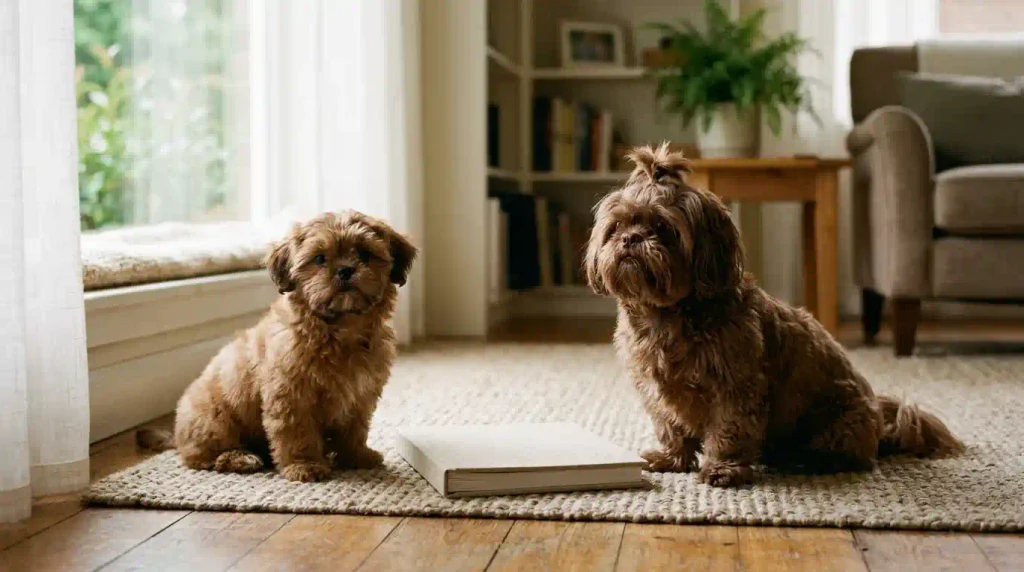
A brown Shih Tzu puppy may retain a similar shade or develop a noticeably different adult coat. Shih Tzus can change substantially as their puppy coats mature, so a breeder should discuss possibilities rather than guarantee a particular adult appearance.
A dark brown Shih Tzu puppy can look different after its first haircut because shorter hair changes the visible balance of tips, roots, and shading. That alone does not show that grooming altered the dog’s genetics. Keep coat length in mind when comparing photographs taken months apart.
Color descriptions may also become less useful as the dog grows. A coat once called dark brown may later be described as lighter brown, cream, or grayish. When comparing a grey shih tzu, silver shih tzu, or black and grey shih tzu, separate the present appearance from assumptions about the puppy’s original pigment.
For dogs with white patches, the same principle applies to descriptions such as grey and white shih tzu and silver and white shih tzu. A sequence of comparable photographs is more informative than one label.
What photographs can and cannot predict
Photos are excellent records but imperfect forecasts. Camera processing, indoor bulbs, wet hair, and a brightly colored background can shift the apparent warmth of the coat.
For a useful record:
- Photograph the dog in the same spot in indirect daylight.
- Capture the face, nose, side, back, and chest.
- Note the date, age, and whether the coat was recently clipped.
- Keep an unfiltered original photograph.
- Compare dry coats at similar lengths when possible.
Parent photographs and previous litters can help you discuss likely changes with a breeder. They cannot provide certainty for an individual baby brown Shih Tzu. Choose a puppy you would still want if its adult color becomes lighter than expected.
Are brown and liver Shih Tzus accepted by the breed standard?
Official terminology and permissible colors
The US Shih Tzu breed standard permits all colors and markings and considers them equally. It also specifies liver pigment for liver-pigmented dogs, rather than requiring every Shih Tzu to have a black nose, lips, and eye rims.
“Chocolate” is commonly used as an appearance label. When checking paperwork, use the registry’s current terminology and ask the breeder how the recorded color was selected. A color description is only one part of assessing the dog.
If you are comparing types of shih tzu, remember that a coat label does not establish a separate breed. Background reading on shih tzu origin and shih tzu facts can provide context without turning color into a claim about a dog’s ancestry or quality.
A white shih tzu label describes an appearance, while albino shih tzu raises a different pigmentation question. Pale hair alone is not sufficient evidence of albinism, just as warm brown hair alone does not settle a liver classification.
How to assess claims that a color is rare
“Rare,” “exclusive,” and “premium chocolate” are marketing descriptions unless supported by meaningful evidence. A seller having few puppies of a particular shade does not establish how common that appearance is across the breed.
Ask what the claim means: a particular coat shade, pigment combination, marking pattern, or simply limited availability. Avoid paying a premium based only on a dramatic photograph or a promise that the puppy will remain dark chocolate forever.
Labels such as “chocolate dobie Shih Tzu” also need clarification. Ask the seller to describe the markings and pigment in ordinary language. Appearance terms should make a puppy easier to understand, rather than hide the information you need to make a decision.
Does a brown Shih Tzu need different care?
Brushing, bathing, and managing tangles
Plan grooming around coat length, texture, skin condition, and your dog’s tolerance. Brown pigment does not by itself create a special grooming schedule.
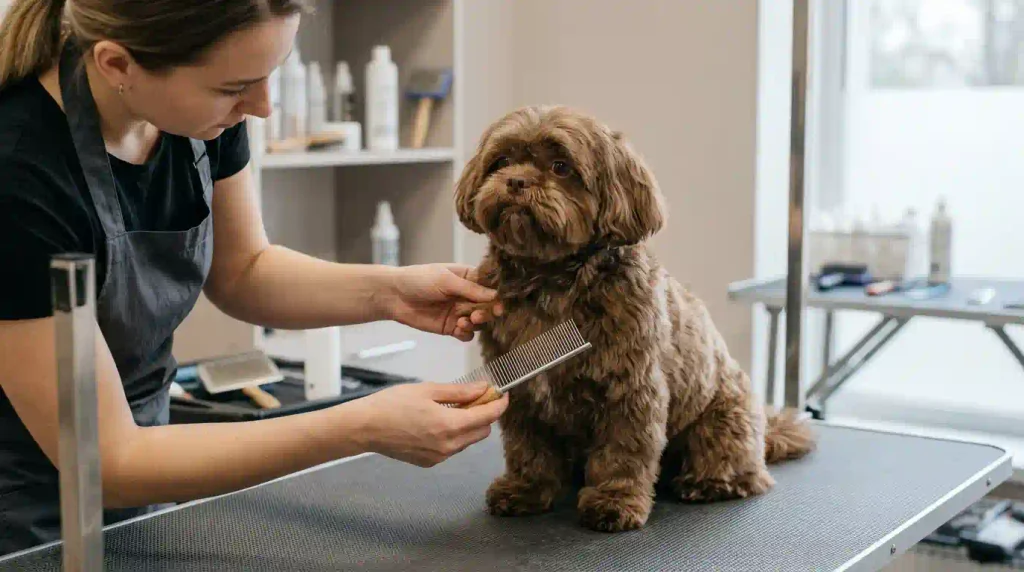
A long Shih Tzu double coat needs daily brushing and careful attention to areas where hair rubs together. A shorter pet trim may make maintenance easier, but you still need regular checks around the ears, legs, collar area, and tail.
Use a brush and comb suitable for your dog’s coat, and ask a professional groomer to demonstrate a comfortable technique. Work in small sections, support the hair close to the skin, and stop if your dog appears sore. A smooth surface can hide tangles underneath, so check gently through the coat rather than only brushing over the top.
| Care task | Practical approach |
| Brushing | Maintain a routine suited to coat length; check friction areas carefully |
| Bathing | Use a dog-appropriate shampoo and rinse thoroughly; adjust frequency with your groomer or veterinarian |
| Drying | Dry the coat carefully and avoid leaving dense, tangled areas damp |
| Face care | Keep hair clear of the eyes and wipe away surface debris gently |
| Matting | Seek professional help for tight or painful mats instead of pulling at them |
| Grooming records | Note skin irritation or discomfort and mention it at the next appointment |
Keep the goal simple: clean hair, comfortable skin, and a routine your dog can tolerate. There is no need to try to preserve an exact puppy shade with dyes or unproven supplements.
If your dog’s coat seems unusually short or different in texture, the prapso shih tzu guide offers a related topic to explore. An unexpected coat appearance should still be considered alongside grooming history and skin health.
Owners concerned about allergies can also read the shih tzu hypoallergenic guide. Brown color is not a reliable way to predict an individual person’s reaction to a dog.
When a coat or skin change needs a veterinarian
Gradual changes in shade are different from a new problem accompanied by discomfort. Contact your veterinarian if a coat change occurs with persistent scratching, redness, hair loss, sores, odor, or repeated licking.
Tear staining and saliva staining can also change the appearance of light hair. A reddish-brown patch around the mouth, feet, or eyes does not automatically mean the dog’s inherited coat color has changed. Repeated rubbing, discharge, or irritation deserves attention to the underlying cause.
Bring a short record of when the change began, where it appears, and whether grooming products or routines changed recently. Photographs taken before and after the change can help explain what you noticed. Avoid diagnosing the cause from color alone.
What should you check before choosing a brown puppy?
Pigment, parent dogs, and realistic adult-color expectations
Start with the puppy’s overall suitability for your household, then clarify its appearance. Ask for clear, recent photographs taken in ordinary daylight and, where practical, meet the puppy and observe its surroundings.
Request views of the nose and body rather than relying on one carefully posed headshot. A chocolate brown Shih Tzu puppy can look almost black in shadow or much lighter in strong sunlight.
Useful questions include:
- How are you describing the puppy’s coat and skin pigment separately?
- Have the parents or related puppies changed color as they matured?
- Are photographs filtered or edited for color?
- Is the expected adult shade an estimate or a guarantee?
- What information supports any genetic claim in the advertisement?
For a purebred shih tzu, ask about pedigree and registration rather than treating a brown nose as proof of ancestry. Also examine size claims carefully: a teacup shih tzu label does not replace clear information about health, growth, or the parents.
Health records and breeder questions
Ask for the puppy’s veterinary records, age, vaccination and parasite-control history, and the parents’ relevant health-screening results. Read the actual documents and make sure the names or identification details match the dogs being discussed.
If a breeder mentions an OFA CHIC number, review the underlying results. A CHIC number indicates that the required screening results were completed and publicly shared; it does not mean every result was normal.
Discuss socialization, grooming experience, feeding, the purchase agreement, and the breeder’s support after the puppy goes home. Ask what happens if circumstances change and you can no longer keep the dog. These conversations often reveal more about the breeder’s practices than color descriptions do.
Keep your own notes consistent, too. If you are unsure about the breed’s name when comparing documents, how do you spell shih tzu is a quick reference. Clear records make it easier to track the puppy’s identity, health information, and correspondence.
Brown Shih Tzu quick answers
Is chocolate the same as liver?
The terms often overlap in everyday descriptions, but they are not interchangeable in every situation. “Chocolate” commonly describes a rich brown appearance; “liver” refers to brown pigment. Ask whether the dog has brown nose leather, lip edges, and eye rims, and whether any genetic claim has been tested.
Does coat color determine temperament or health?
You cannot reliably predict an individual Shih Tzu’s temperament or overall health from a brown coat. Evaluate the dog’s behavior, upbringing, medical history, and relevant screening results. A color label should not be used as a promise of a calmer personality, fewer health problems, or superior breeding quality.
Frequently Asked Questions
Can a brown Shih Tzu have a black nose?
Yes; brown-looking hair can occur with black pigment, so coat appearance alone does not establish liver pigmentation.
Will my dark brown Shih Tzu puppy become lighter?
It may, but photographs and parent colors cannot guarantee the final adult shade.
Is a chocolate Shih Tzu a separate breed?
No; chocolate is an appearance description used for some Shih Tzus.
Can a liver Shih Tzu have white patches?
Yes; white markings can occur alongside liver pigmentation.
Does a brown coat need special shampoo?
Choose shampoo for the dog’s skin and coat needs, rather than brown color alone.
Are brown Shih Tzu dogs always more expensive?
No; prices vary, and color alone does not establish quality or justify a premium.
Can a coat-color DNA test prove that a puppy is healthy?
No; a color test answers specific genetic color questions and does not replace health assessment.
Final Thoughts
A brown Shih Tzu is easier to identify when you examine the nose, lips, and eye rims alongside the coat. Brown-looking hair, liver pigmentation, and informal chocolate labels can overlap, but they do not always describe the same thing. Keep realistic expectations about puppy coat changes, use clear photographs to record development, and choose grooming routines that suit the dog’s actual coat and skin. If you are buying a puppy, give health records, breeding practices, and compatibility with your household careful attention. Start today by taking one clear daylight photograph and noting the pigment you can confidently see. Then use the relevant color comparisons in this guide to refine your description, or ask your veterinarian or breeder to help with anything uncertain.