Golden Brown Shih Tzu: What the Color Means and How to Care for It
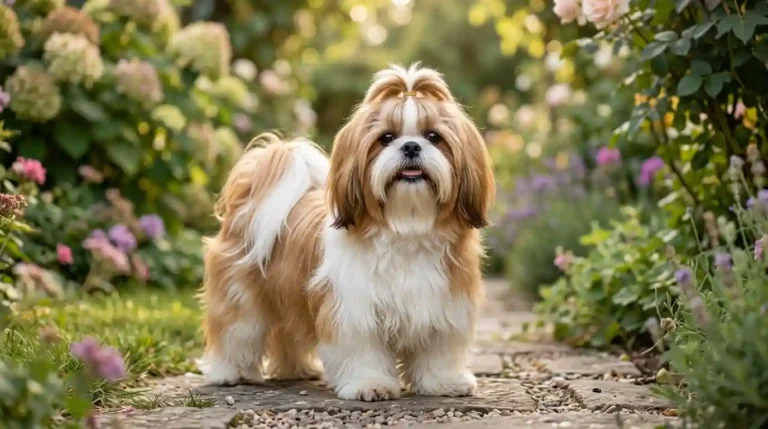
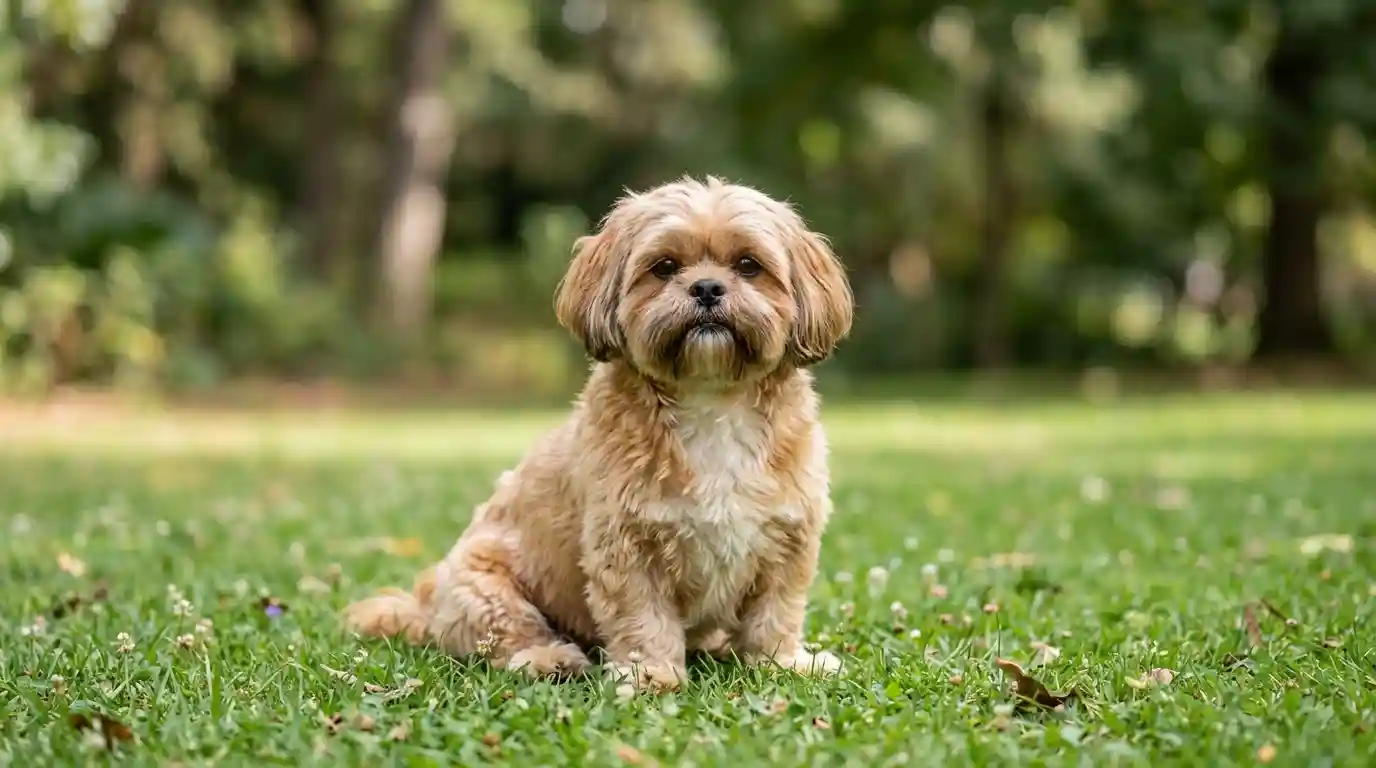
A golden brown Shih Tzu usually has a warm coat that looks somewhere between honey-gold and medium brown. That description tells you what the hair looks like; it does not, by itself, identify the dog’s inherited pigment or an official registration color. For a useful first check, view the dog in natural light, compare its colored hair with its nose, lips, and eye rims, and note any white patches or dark hair tips. A golden-looking dog with black points may be described as gold, while brown points can indicate liver pigmentation even when the hair looks light. Puppies can also change shade as their longer adult coats grow and are trimmed. Below, you’ll find a practical comparison of similar colors, a photo checklist for following coat changes, an explanation of what genetic testing can and cannot establish, and grooming advice for the Shih Tzu’s double coat. If you’re choosing a puppy, you’ll learn how to question a seller’s color label without losing sight of the dog’s health and care needs.
Table of Contents
- What does “golden brown” describe?
- Is the dog gold, liver, or another similar color?
- Will a golden-brown puppy keep that shade?
- What can genetics and testing tell you?
- Is golden brown accepted or especially rare?
- How do you care for the coat and monitor the skin?
- What should you check before choosing a puppy?
- Frequently asked questions
- Final thoughts
What does “golden brown” describe?
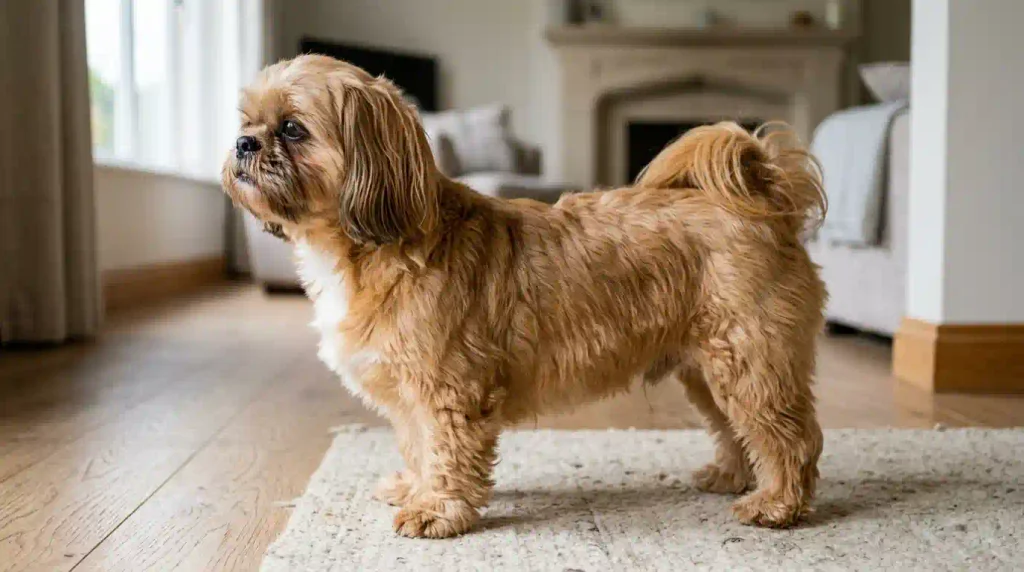
“Golden brown” is a convenient way to describe a warm-looking coat. It might mean rich gold with brown shading, light brown with golden highlights, or gold hair beside darker markings. The name is useful in conversation, but two people may use it for visibly different dogs. Start with what you can actually see before trying to turn the phrase into a technical label.
Identify the warm coat shade first
Stand with the dog near a window or outdoors in even daylight. Look at the back, shoulders, sides, ears, and face separately. A coat that appears uniformly warm in one photo may have cream areas, darker ear hair, a black facial mask, or substantial white patches when examined in person. Describe those features independently: “gold across the back, darker ears, white chest” tells another person more than “golden brown.”
Hair length affects the impression, too. Longer strands overlap, blending honey, tan, and dark brown into one shade. Part a small section of clean, dry hair and look from root to tip. If the tips are dark but the roots are light, a haircut may expose a much paler layer. If darker hairs form repeated streaks, investigate a brindle pattern instead. A filtered image or warm indoor bulb can exaggerate the golden tone.
For visual comparisons across the breed, see the guide to Shih Tzu colors. Keep the description specific to the individual dog rather than expecting every warm-colored Shih Tzu to match one photograph.
Why a descriptive name may differ from a registration color
The everyday phrase golden brown may not match the color recorded on registration paperwork. A registration label compresses a dog’s appearance into the categories available on that form; a seller’s description may instead emphasize what a puppy looks like today. Neither substitutes for looking at the dog. A puppy called “brown” could have a golden coat and black points, or a similarly warm coat with brown points. Those observations lead to different follow-up questions.
Ask for the actual recorded color if paperwork matters to you, then ask the seller which features prompted the advertised description. If the dog has a light brown coat, learn whether the seller means brown hair or liver pigment. The color line on a record does not certify the exact adult shade, breed identity, or quality of the breeder’s health testing. It also cannot tell you how much white or dark shading will be visible after the next trim.
Is the dog gold, liver, or another similar color?
Use two separate observations: hair color and pigment in the skin points. Then record patterns such as white patches, a facial mask, or dark hair tips. This sequence is more reliable than matching the whole dog to a single online image.
Compare the nose, lips, and eye rims in natural light
Look at the nose leather first, then the lips and eye rims. On a Shih Tzu with black pigmentation, those points appear dark even if the hair looks golden or pale. Brown or liver pigmentation can give the nose, lips, and eye rims a brown appearance. The paw pads can offer another observation, although dirt, lighting, and uneven pigmentation can make a quick inspection misleading. Check several points together.
Do not judge a nose from an edited portrait. Ask for a sharp, unfiltered daylight photo of the face and a second image showing the dog’s whole coat. A shiny nose can reflect its surroundings, while shadows can make brown look black. A partly pigmented nose or an unclear image deserves a closer look in person, not an instant genetic conclusion.
A liver Shih Tzu may have a coat anywhere from pale to deep brown. Conversely, golden hair does not automatically mean liver pigment. Eye color alone cannot settle the question: focus on the combination of visible points and recognize the limits of appearance.
Tell gold, red, cream, and liver-colored coats apart
The table describes visual clues, not diagnoses or guarantees about genotype:
| Description you hear | Check in natural light | What remains uncertain |
| Gold or honey-gold | Warm yellow-gold to tan hair; inspect nose, lips, and eye rims separately. | A rich gold shade alone does not establish liver pigmentation. |
| Red or reddish gold | Deeper orange or reddish hair than the dog’s lighter gold areas. | Shade boundaries are subjective, and a puppy may look different later. |
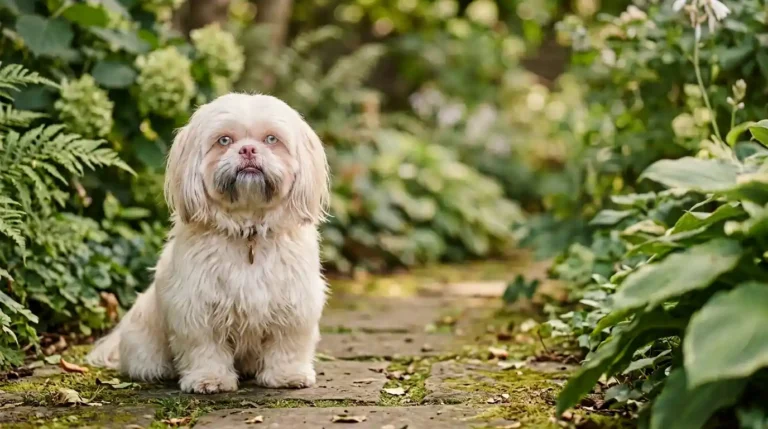
| Cream or pale gold | Lighter, less saturated warm hair, sometimes with darker ears or shading. | A photo can make cream appear gold or white. |
| Liver or chocolate | Examine brown pigmentation in the points, along with the coat. | Hair can look gold, cream, or brown; shade alone is insufficient. |
| Gold and white | Locate distinct white areas alongside the warm-colored hair. | White distribution says nothing by itself about black versus liver points. |
A red Shih Tzu can look close to a deep gold dog in some lighting. A brown Shih Tzu may be described by its hair shade, while a liver chocolate Shih Tzu guide deals with the pigmentation distinction. These terms overlap in casual listings; ask the person using one to point to the actual feature it describes.

Separate white patches, a black mask, and dark hair tips from the base shade
A gold and white Shih Tzu has recognizable white areas alongside gold-colored hair. Those areas may be on the face, chest, paws, or body. Some owners call a dog with extensive white a parti-color, but the amount and placement of white should be described directly rather than inferred from that word alone. Compare a dog with white areas and brown points with a liver and white Shih Tzu.
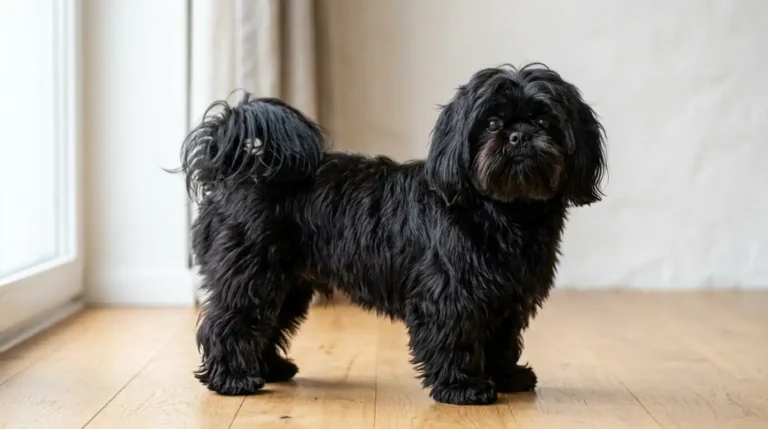
A black mask is dark hair concentrated around the muzzle and sometimes near the eyes. It does not turn every golden body hair black or brown; see the black mask gold Shih Tzu for that specific combination. Black-tipped hair is different again: individual hairs have dark ends over lighter roots, often giving the coat a shaded or sable appearance. After those ends are trimmed, the dog may look more gold.
Finally, a brindle Shih Tzu has darker streaking through colored areas, rather than merely a dark face or isolated dark tips. Identify the warm base shade, white distribution, mask, and any streaks separately. That short description will remain useful even if the coat’s overall impression changes.
Will a golden-brown puppy keep that shade?
Perhaps, but a seller cannot promise that a golden brown Shih Tzu puppy will look exactly the same as an adult. The practical question is how much of the warm appearance comes from growing hair, dark tips, markings, and the current haircut. An adult photograph of a parent may offer context, but it is not a prediction for an individual puppy.
What can change as the adult coat grows
As longer adult hair develops, pale and dark strands can overlap differently. Warm puppy coloring may appear lighter, darker, or less contrasted; a face or ear area can become more noticeable than the body. Ordinary age-related gray hairs can change the overall impression later in life. These possibilities are observations about appearance, not a promise that every gold or brown puppy will fade.
Haircuts can produce a particularly abrupt-looking change. If dark pigment is concentrated at the ends of hairs, trimming removes those ends and reveals the lighter length below. A shorter coat also exposes areas that long hair once covered. A newly groomed dog may therefore look creamier without the roots themselves suddenly changing color. Compare the same patch before and after grooming before assuming an entirely new coat color has appeared.
Changes in appearance should be gradual and comfortable for the dog. Sudden bald patches, broken hair, persistent scratching, or inflamed skin call for a different kind of attention, discussed below.
Compare dated photos before and after a haircut
For an owner following color change, keep a small record rather than relying on memory. Take a full side view, a face close-up, and a close-up of one consistently colored area such as the shoulder. Use similar natural light and no beauty filter each time. Record the dog’s age and the date of the most recent trim. Repeat after substantial coat growth and after grooming.
If you are evaluating a puppy remotely, ask for images taken recently under those same conditions. A seller’s photo of a puppy at six weeks and a later photo taken under bright indoor light are difficult to compare. Pictures of each parent at puppy and adult ages may show the range of changes in that family, but they still cannot guarantee the puppy’s final shade.

What can genetics and testing tell you?
Genetics helps explain why two dogs with similarly warm hair may have different nose pigmentation. It does not make a seller’s color adjective into a full genetic report. Ask which particular question you want answered before ordering or interpreting a test.
Brown pigment and golden-looking hair are different questions
Dog coats involve two broad pigment families. Eumelanin contributes black and brown pigment; pheomelanin contributes red and yellow tones. A brown-pigment variant affects eumelanin, while golden or reddish hair can involve the appearance of the other pigment family and additional interactions. Consequently, “the coat looks brownish gold” is not equivalent to “the dog has the genetic variant associated with liver pigment.”
For a practical comparison, consider two dogs with honey-colored hair. One has black nose leather, black lip pigment, and dark eye rims. The other has consistently brown points. Both might be called golden brown by their owners, but the pigment observations differ. White markings and dark hair tips can complicate the hair description further without answering the underlying pigment question.
This explanation is deliberately limited: coat-color inheritance includes interacting variants, and an individual dog’s full genetic makeup cannot be read from a photograph. Use golden brown as an appearance description unless you have more specific evidence.
What a color test can establish—and what it cannot predict
A laboratory DNA report may identify the specific color variants its panel tests. Before accepting a seller’s statement that a puppy is “genetically liver” or “guaranteed gold,” request the report for that puppy, check the laboratory’s interpretation, and see which variants were actually included. A parent’s report is information about the parent, not a substitute for the puppy’s result.
A test of a brown-pigment variant can help address black-versus-brown pigment. It does not, by itself, describe where white patches will fall, how long hair will overlap, what a haircut will reveal, or the exact shade of the adult coat. Health screening is a separate question from color testing. Ask a veterinarian or veterinary genetics professional to explain a result that seems at odds with the visible dog; avoid treating a simplified color chart as a complete prediction.
Is golden brown accepted or especially rare?
Read the breed standard without treating a sales label as proof
The American Kennel Club’s official Shih Tzu breed standard permits all colors and markings and says they should be considered equally. A warm gold or brown-looking coat is therefore not a reason, by itself, to conclude a Shih Tzu falls outside the US breed standard. Golden brown is a useful visual phrase, but a breeder may need to use a different available color description on registration paperwork.
“Rare golden brown” requires more evidence than an appealing photo. A seller may have few puppies with that particular shade; this does not establish how uncommon it is across the breed. Ask exactly what the claim means and whether any reliable population data supports it. Do not let a color premium replace your review of health records, living conditions, and the puppy’s suitability for your home.
How do you care for the coat and monitor the skin?
Golden-brown hair needs the same thoughtful maintenance as any other Shih Tzu coat. Shade may affect how readily you notice a stain or knot, but it does not remove the need to brush through the hair and examine the skin beneath it.
Brush the double coat and choose a manageable trim
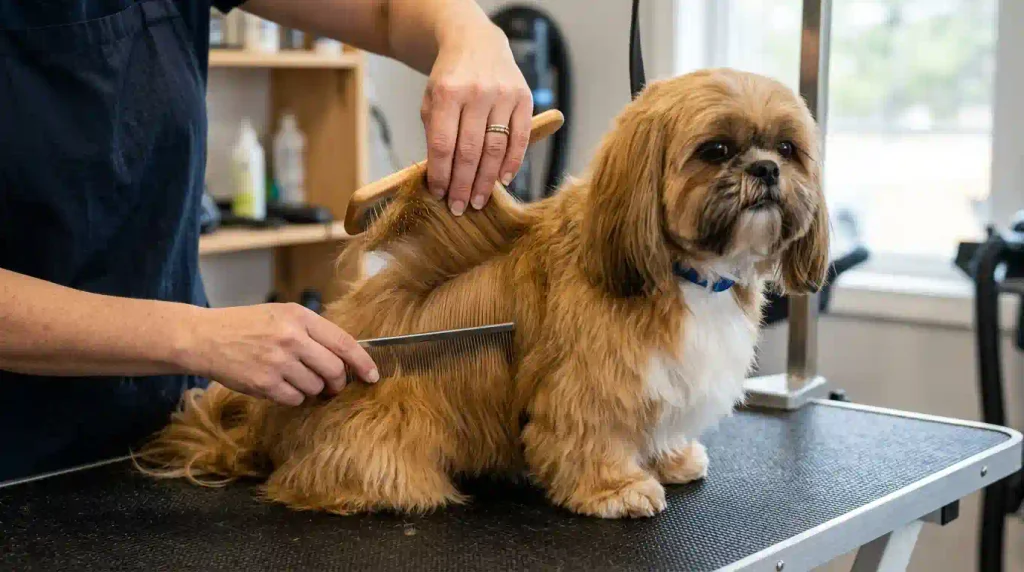
The Shih Tzu’s double coat has an outer layer and an undercoat. Long hair can tangle close to the skin even when its surface looks smooth. Brush a long coat in small sections, gently working from the outer hair toward the roots, then check your work with a comb. Pay attention behind the ears, under the collar, in the armpits, across the chest and belly, and around the legs and tail. These are places where rubbing or movement can contribute to matting.
For a full-length coat, plan on daily attention. A shorter, manageable trim can reduce the time required, but it does not eliminate brushing, bathing, or professional grooming. Choose a schedule with your groomer that suits the dog’s coat length and how quickly it tangles. Use dog-appropriate shampoo, rinse thoroughly, and dry the coat carefully; ask your groomer about a suitable conditioner if the hair is difficult to comb.
Avoid tugging at a tight mat or cutting into it with scissors next to the skin. Ask a professional groomer or veterinarian for help when a knot cannot be separated comfortably. Cleaning around light-colored facial hair may keep the dog comfortable and tidy, but products marketed to “enhance gold” are no substitute for basic skin and coat care. For broader ownership reading, see Shih Tzu Breed Information.
Know when a coat change needs a veterinary check
Gradual changes in the look of growing hair and a sudden change after trimming are different from hair loss. Part the coat occasionally to look for redness, flakes, sore spots, and thinning. Persistent itching, repeated licking or chewing, an unusual odor, broken hair, or bald patches are reasons to arrange a veterinary examination. Photograph the affected area and note when it appeared; those details can help the veterinarian evaluate the problem.
Do not assume that a change is harmless “color fading,” or that a warm coat has a color-specific disease. A photograph cannot distinguish every skin condition. Likewise, a normal shade does not guarantee health. Focus on the individual dog’s symptoms and comfort rather than assigning a diagnosis from its coat label.
What should you check before choosing a puppy?
Choose a puppy you can care for even if its adult coat ends up lighter, redder, or less brown than expected. Clear images can help with color identification; good records and a credible care plan help with the much larger decision.
Ask for useful photos and an explanation of the color label
Request a dated side photo, a view from above, and a sharp face photo in natural light. Ask for close views of the nose, lips, eye rims, colored back hair, and any white markings. A brief current video helps show that the images represent the same puppy and makes lighting tricks less persuasive. If the listing says “golden brown,” ask: Which parts are golden? Which parts are brown? Are the nose and other points black or brown?
Have the seller distinguish current appearance from the color entered on registration forms. Ask whether dark hair tips, a black mask, or white patches influenced the label. If the exact adult shade matters strongly to you, recognize that even detailed puppy photos cannot promise it. Look at parent photos as context, not as a guarantee.
Review health records and plan for grooming
Before committing, use a short checklist:
- Identify the puppy and parents: Match the current puppy to its photos and request information about both parents.
- Review veterinary documents: Ask for the puppy’s examination, vaccination, and parasite-care records, with dates and the veterinarian’s details.
- Check health-screening claims: Request the actual parent results and clarify which conditions were screened; a coat-color test is not a general health clearance.
- Observe the puppy: Look for comfortable movement, clean eyes and skin, and appropriate interaction; ask a veterinarian about any concern rather than diagnosing from a video.
- Assess the breeder’s practices: Ask where the puppy is raised, how it is handled, and what support is offered after placement.
- Budget for the coat: Decide who will brush the dog, how often professional grooming will be needed, and what you will do if mats form.
- Read the agreement: Understand the seller’s terms, identification details, and the records you will receive before paying.
The best choice is an individual dog whose health and everyday needs you can assess, whatever name a listing gives its coat. General Shih Tzu facts can help you prepare for ownership, but they cannot replace the records for a specific puppy.
Frequently asked questions
What is a golden brown Shih Tzu?
It is a Shih Tzu described as having warm gold-to-brown-looking hair, rather than a separate breed.
Is golden brown an official AKC color?
It is an everyday description; check the dog’s recorded color and the AKC’s available color terms.
Does brown hair mean the dog is liver?
No; compare the nose, lips, and eye rims before drawing conclusions about brown pigmentation.
Can a golden brown Shih Tzu have white patches?
Yes; describe the white markings separately from the colored hair.
Will my golden-brown puppy stay the same shade?
It may change as adult hair grows or is trimmed, so an exact shade cannot be guaranteed.
Does this coat color change grooming needs?
No; coat length, tangling, and the dog’s skin determine the practical routine.
Can a DNA test predict the adult shade exactly?
No; it reports tested variants and cannot promise a finished appearance.
Final Thoughts
A golden brown Shih Tzu is best understood through a few separate observations: the warmth of its hair, the pigment of its nose, lips, and eye rims, and any white or dark markings. View those features in natural light before relying on a seller’s label. Expect that a puppy’s visible shade may change as its coat grows and is trimmed, and keep dated photographs if you want to follow that change. Maintain the double coat with regular brushing, and consult a veterinarian about persistent itching, irritation, or hair loss. When choosing a puppy, request current photos and documented health information alongside the color description. Pick the dog whose needs you can meet, even if its adult coat surprises you.