
ShihTzuDog.com Breed & care journal
Shih Tzu Dog Breed Information & Care
Understand the Shih Tzu dog from puppyhood through the senior years. Explore practical guidance on temperament, grooming, nutrition, health, training, and everyday life with this devoted companion breed.
- Breed group
- Toy & companion
- Care focus
- Coat, eyes & teeth
- Best approach
- Patient & consistent
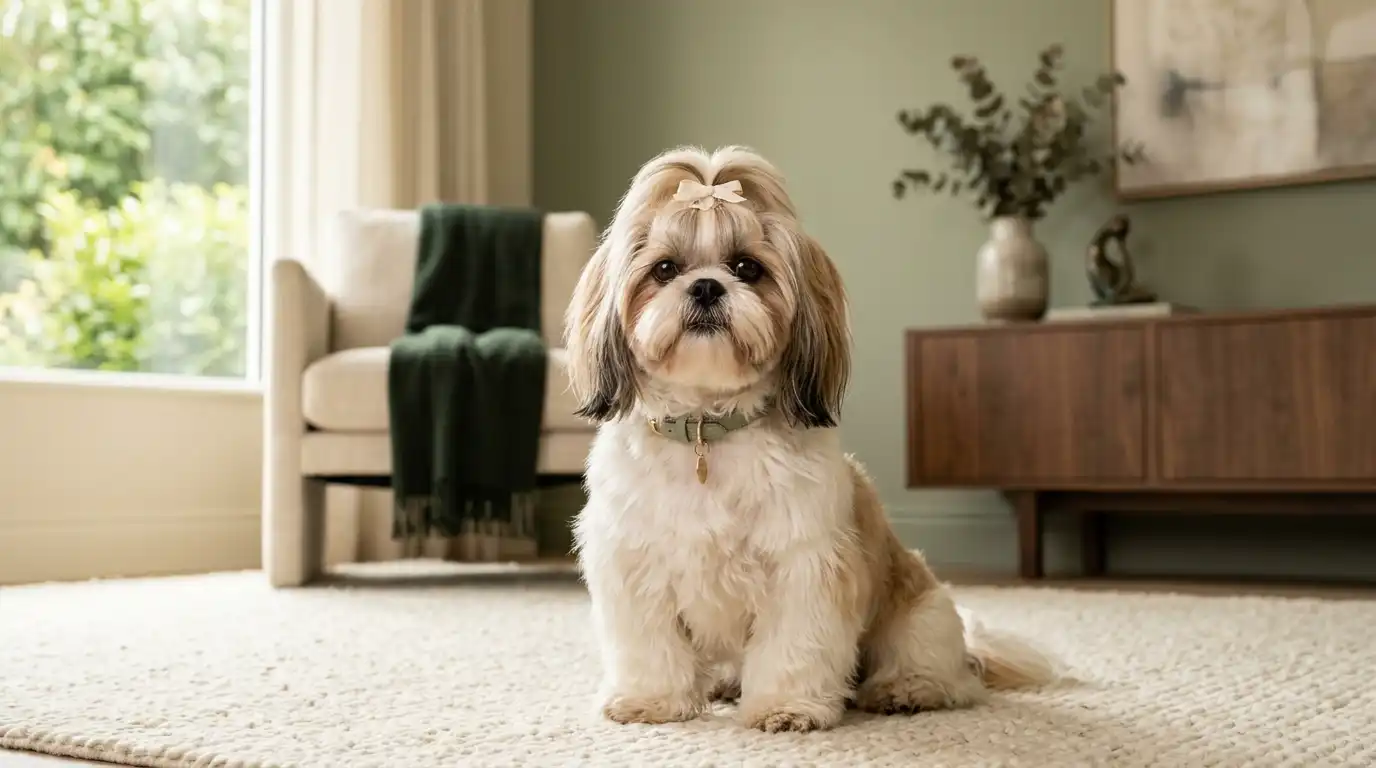
A companion at heartSmall in stature, expressive in character.
Breed introduction
What is a Shih Tzu?
A small companion dog with an ancient story, an unmistakable face, and a strong preference for being part of family life.
The Shih Tzu is a compact toy breed developed primarily for companionship. Its name is commonly associated with the “lion dog,” a reference to the breed’s history and traditional appearance. A typical Shih Tzu description includes a broad, rounded head; large dark eyes; drop ears; a short muzzle; a sturdy body; and a tail carried over the back. The long double coat can create a dramatic outline, though many family dogs wear a shorter trim that is easier to maintain.
Appearance is only one part of the story. Shih Tzu dogs are often people-oriented, lively, observant, and affectionate. Many enjoy following family members between rooms, greeting familiar visitors, and settling nearby after a short play session. They can live happily in apartments or larger homes when their social, physical, and mental needs are met. A small body does not remove the need for training, enrichment, boundaries, or regular exercise.
Anyone searching for Shih Tzu dog breed information should also understand the practical responsibilities. The coat needs consistent grooming. Hair around the face must be kept comfortable and clean. Dental care deserves attention because small dogs can be vulnerable to oral disease. The short muzzle can make heat and strenuous activity harder to tolerate, so exercise should suit the weather and the individual dog. Routine veterinary care helps owners monitor the eyes, ears, teeth, skin, joints, breathing, weight, and general wellbeing.
The answer to “is a Shih Tzu a toy breed?” is yes, but the label describes size and breed classification rather than personality. Many Shih Tzus are confident little dogs with clear preferences and a playful sense of independence. Patient teaching and positive reinforcement tend to work better than force or repeated correction. The best relationship grows from predictable routines, kind handling, useful rewards, and attention to the dog in front of you.
The Shih Tzu profile
- Role
- Companion dog
- Size
- Small and sturdy
- Coat
- Long, dense, high care
- Activity
- Moderate daily movement
- Training
- Reward-based consistency
- Social needs
- Close family contact
The complete guide
Explore every part of Shih Tzu life
Start with the question you have today. Each topic leads to focused articles that help you understand the breed, build practical routines, and make informed care decisions.
Everyday care
Five foundations of thoughtful Shih Tzu care
A useful routine is specific enough to be dependable and flexible enough to change with age, health, season, and lifestyle.
Coat, face, and hygiene
A Shih Tzu coat can be kept long or clipped shorter, but every style requires maintenance. Brush gently and thoroughly enough to prevent tangles from tightening near the skin. Pay attention to friction areas such as behind the ears, beneath the legs, around a harness, and near the tail. Keep facial hair comfortable, check for debris around the eyes, and dry damp areas carefully. Choose bathing and haircut intervals according to coat length, skin condition, activity, and professional advice. Introduce handling slowly so grooming becomes familiar rather than frightening.
Food, water, and healthy body condition
Choose a complete diet suited to life stage and follow the feeding guidance as a starting point. Portion needs vary, so watch body condition, weight trends, appetite, treats, activity, and advice from your veterinarian. Divide food into appropriate meals, provide clean water, and count treats as part of the daily intake. When introducing a new food, make changes gradually unless a veterinarian advises otherwise. Sudden appetite loss, repeated vomiting, persistent diarrhea, or difficulty eating deserves prompt attention.
Movement, play, and mental activity
Shih Tzus usually benefit from moderate daily exercise rather than intense endurance work. Short walks, sniffing, gentle games, and simple training can support fitness and mental wellbeing. The breed’s short muzzle makes heat management especially important. Choose cooler times of day, bring water, avoid forcing activity, and watch for noisy or difficult breathing, weakness, distress, or unusual fatigue. Puppies and senior dogs need routines suited to their developing or changing bodies.
Training through trust
Reward the behavior you want with food, play, praise, or access to something the dog values. Keep sessions short, make cues clear, and help every family member follow the same rules. House training improves with supervision, frequent opportunities, and calm reinforcement. Socialization should create safe, positive experiences rather than overwhelming exposure. If fear, guarding, separation distress, or aggression develops, seek qualified help early instead of waiting for the pattern to become established.
Preventive health and observation
Regular veterinary care supports vaccination decisions, parasite prevention, dental health, weight management, and early detection of problems. At home, notice changes in breathing, eyes, ears, skin, mouth, movement, appetite, thirst, toileting, sleep, and behavior. Learn what is normal for your own dog. A sudden or severe change, collapse, breathing difficulty, repeated vomiting, significant pain, eye injury, or other emergency sign needs professional care rather than an online remedy.
A lifetime together
Care through every life stage
The fundamentals stay familiar, but the balance changes as a Shih Tzu grows.
Puppyhood
Focus on safety, sleep, toilet routines, gentle socialization, veterinary planning, suitable nutrition, and positive introductions to brushing, face handling, teeth cleaning, nail care, collars, and harnesses. Prevent access to falls, small objects, toxic foods, unsafe dogs, and extreme temperatures. Growth happens quickly, but confidence develops through many calm, manageable experiences.
Visit Puppy Care →Adulthood
Maintain a healthy body condition, consistent dental and coat care, daily movement, enrichment, and manners that make family life easier. Adult routines should still evolve with seasonal conditions, work schedules, changes at home, and the dog’s health. Continue rewarding useful behavior; learning does not end when puppyhood does.
Visit Daily Care →Senior years
Older dogs may need more frequent health monitoring, easier access to favorite places, supportive bedding, shorter walks, and adjustments for changes in sight, hearing, movement, sleep, or continence. Small changes can carry useful information. Work with a veterinarian to protect comfort and adapt the routine without removing enjoyable activity and connection.
Visit Growth & Life Stages →Before you decide
Is a Shih Tzu right for your home?
Learning all about Shih Tzu ownership means looking at the ordinary days, not only the charming face. Think honestly about time, cost, care, and the kind of companionship your household can provide.
Explore Getting a Shih TzuDaily contact matters
Many Shih Tzus enjoy being close to their people and may struggle when left alone for long, unpredictable periods. A realistic plan should cover companionship, toilet breaks, meals, exercise, coat care, and calm training. Puppies require especially frequent supervision and support. Adults can learn comfortable independence, but that skill develops gradually through a secure routine.
Grooming is part of ownership
The beautiful coat is a responsibility rather than a decoration. Decide whether you can maintain a longer coat or budget for regular shorter haircuts. Include brushing, bathing, drying, face cleaning, nail care, tooth brushing, and professional grooming in the plan. A cooperative dog is made through patient practice, so begin gentle handling early and reward calm participation.
Plan beyond the purchase price
The ongoing cost of a dog can include quality food, routine veterinary care, parasite prevention, dental treatment, grooming, training, insurance, boarding, equipment, and unexpected illness. Prices vary by location and individual need. Build an emergency plan before bringing a dog home, and avoid choosing a puppy or adult dog based only on the lowest initial cost.
Match the individual dog
Breed tendencies are useful, but they do not predict every personality. Consider the ages and behavior of children, other animals, noise, visitors, work patterns, housing rules, and access to safe outdoor areas. Teach children respectful handling and give the dog a quiet place to rest. When adopting an adult, ask about known behavior, health, routines, and comfort around people and pets.
Common questions
Shih Tzu breed information at a glance
These answers offer a useful starting point. Explore the category links for deeper guidance.
What is a Shih Tzu known for?
The breed is known for companionship, a distinctive long coat, a short muzzle, expressive eyes, and an affectionate connection with people. Individual dogs vary in confidence, sociability, energy, and learning style.
Is a Shih Tzu a toy breed?
Yes. The Shih Tzu is classified as a toy breed. The category reflects its small size and companion role, while each dog still needs thoughtful training, exercise, grooming, nutrition, and health care.
What does a Shih Tzu look like?
The familiar Shih Tzu appearance includes a compact, solid body; broad rounded head; dark forward-facing eyes; drop ears; short muzzle; and a tail carried over the back. Coat color, markings, length, and haircut create considerable visual variety.
Do Shih Tzu dogs require frequent grooming?
Yes. Long coats generally require frequent brushing and careful maintenance. A shorter haircut reduces some daily work but does not remove the need for brushing, bathing, face care, nail care, dental care, and regular trims.
Can a Shih Tzu live in an apartment?
Many can live comfortably in apartments when they receive companionship, toilet opportunities, daily activity, enrichment, training, and consideration for barking. Housing size matters less than the quality and consistency of the routine.
Is the Shih Tzu suitable for a first-time owner?
The breed can suit a prepared first-time owner who understands grooming demands, health costs, training, social needs, and the long commitment involved. Meeting adult dogs and learning from responsible breed professionals can make expectations more realistic.
Continue exploring
Your Shih Tzu guide starts here
Build your knowledge one practical question at a time, from breed basics and puppy preparation to grooming, health, behavior, and senior care.