
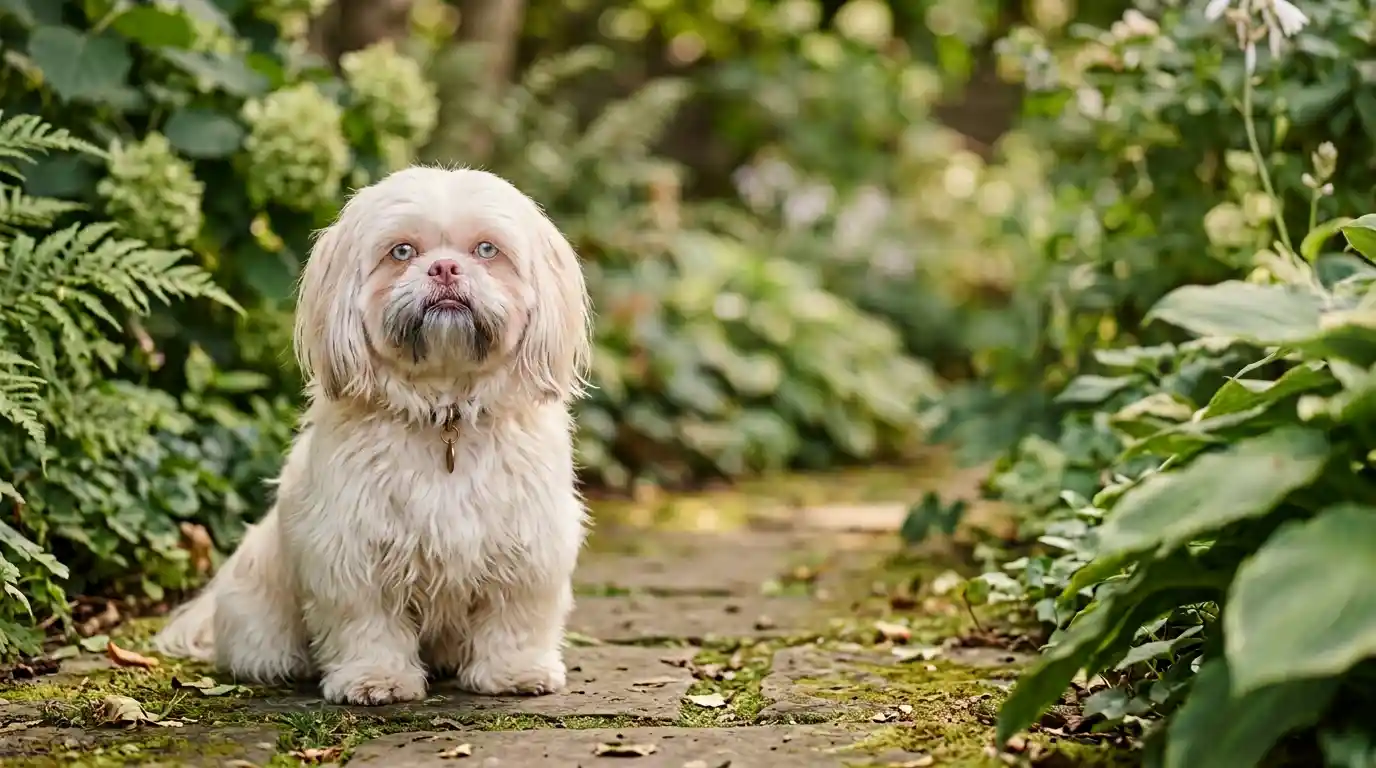
Albino Shih Tzu: Appearance, Genetics, Health, and Care
Summary
An albino Shih Tzu can look like a white or pale cream Shih Tzu at first glance, but the difference lies beneath the coat. True albinism is an inherited reduction in melanin, the pigment that colors a dog’s hair, skin, and eyes. Affected dogs may have pale eyes, pinkish skin, a lightly pigmented nose, and greater sensitivity to sunlight. Yet photographs, a white coat, or blue eyes alone cannot confirm the condition. This guide explains how albinism differs from ordinary white coloring, what researchers know about the genes involved in dogs, and why a Shih Tzu labeled “albino” deserves a careful veterinary assessment rather than a quick visual diagnosis. You’ll also find practical advice on eye and skin protection, grooming, food, puppy selection, and daily routines. Whether you’re evaluating a puppy or already caring for a pale-coated companion, the goal is to help you make informed decisions that protect the dog’s comfort and long-term health.
Table of Contents
- What Is an Albino Shih Tzu?
- Appearance and Physical Characteristics
- Albino Shih Tzu vs White Shih Tzu
- Genetics Behind Albino Shih Tzus
- Health Concerns
- Eye Problems and Vision Care
- Temperament and Personality
- Grooming Requirements
- Diet and Daily Care
- Puppy Guide
- Lifespan and Quality of Life
- Rarity and Price
- Frequently Asked Questions
- Final Thoughts
1. What Is an Albino Shih Tzu?
An albino Shih Tzu is a Shih Tzu with an inherited condition that significantly reduces pigment in the coat, skin, and eyes. The term is often used casually in puppy listings, where it may simply mean “very white.” That usage creates confusion: a dog can have a pure white coat and still have normal pigment in its nose, eyelids, skin, and eyes. The key question is whether the dog has a genuine disorder of pigment production, not whether its fur looks white in a photograph.
Shih Tzus are small, long-coated companion dogs with a broad range of normal coat colors. If you’re new to the breed, start with shih tzu Breed Information and shih tzu facts before trying to interpret an unusual-looking puppy. Knowing what is typical makes unusual pigmentation easier to discuss accurately with a veterinarian.
1.1 Understanding Albinism in Dogs
Melanin provides much of the color in canine hair, skin, and eyes. Oculocutaneous albinism, often shortened to OCA, affects pigment in both the eyes and the body. It can leave an albino dog with white or off-white hair, pink or very pale skin, and light-colored irises. The extent of remaining pigment varies with the underlying genetic variant; albinism does not always produce identical-looking dogs.
Pigment also has a protective role. Reduced melanin can make skin more vulnerable to ultraviolet rays and eyes less comfortable in bright light. Some affected dogs have measurable vision differences. These are reasons to seek veterinary advice, not reasons to assume an individual dog will be unable to play, learn, or enjoy life.
1.2 Is Albino a Color or a Genetic Condition?
Albinism is a genetic condition, not a standard Shih Tzu coat-color label. “White” describes what you see on the hair; “albinism” describes a biological reason pigment is reduced in multiple tissues. A white Shih Tzu with a black nose and dark eye rims is not an albino dog merely because its coat lacks visible dark patches. Likewise, a cream puppy or a dog with a pink patch on its nose does not automatically have albinism.
Ordinary shih tzu colors reflect several genes controlling coat color and patterns. White spotting, dilute colors, and albinism have different mechanisms. An examination of the whole dog matters more than a color name supplied by an advertisement.
1.3 How Rare Are Albino Shih Tzus?
Albinism is considered rare in dogs, but there is no reliable, breed-wide figure establishing how many Shih Tzus are affected. That distinction matters: a seller’s claim that a puppy is “one in a million” is marketing, not a measured prevalence. Published canine albinism research identifies variants in certain other breeds, but it does not establish a universal genetic cause or frequency for Shih Tzus.
An uncommon appearance also does not prove rarity of a medical condition. A notably pale Shih Tzu might have ordinary white coloring, another pigmentation pattern, or an inherited albinism variant. Until a veterinarian and, when appropriate, a genetics laboratory have assessed the dog, treat “rare albino” as a description to investigate rather than a confirmed diagnosis.
2. Albino Shih Tzu Appearance and Physical Characteristics
The most useful visual clues involve more than coat color. Look at the eyes, eyelid rims, nose, lips, paw pads, and areas where the hair parts. Even a combination of pale features remains a clue rather than proof: lighting, puppy age, and different pigmentation genes can alter how those features appear. A veterinary examination can also distinguish apparent pale coloring from eye or skin problems needing treatment.
2.1 Coat Color and Lack of Pigmentation
An albino dog may have a white coat or a light cream coat, sometimes with subtle warmth rather than a stark snow-white appearance. Pigment reduction affects hair color, but hair color alone tells only part of the story. A non-albino white shih tzu can look equally pale from a distance while having normally pigmented skin and facial features.
The long Shih Tzu coat can conceal the skin beneath it. Part the hair gently at the back, shoulders, and belly to notice whether the skin appears pink or pigmented, and ask your veterinarian to examine exposed areas. Avoid drawing a diagnosis from one small pale patch: localized pink skin may occur for reasons unrelated to albinism.
2.2 Eye Color and Vision Differences
Dogs with certain documented forms of albinism have light blue irises; other affected animals may have very pale or pink-looking irises. A pink appearance can result from light passing through lightly pigmented eye structures and making underlying blood vessels more visible. The popular claim that every albino dog’s eyes must be bright red is misleading.
Light eyes are not diagnostic on their own. Other coat genetics can produce blue eyes. A dog’s visual behavior is equally important: notice whether it hesitates in strong sunlight, bumps into objects in unfamiliar spaces, or has trouble tracking a toy. A veterinarian or veterinary ophthalmologist can examine the structures of the eye and assess whether an apparent color difference has a clinical effect.
2.3 Nose and Skin Pigmentation
A pink nose, pink lips, pink eye rims, and pink paw pads are features reported in dogs with particular forms of oculocutaneous albinism. Check whether reduced pigmentation appears consistently across these areas. A partly pink nose with dark eye rims, for example, calls for a different assessment than generalized lack of pigment. Nose color can also vary with other color genes.
The American Kennel Club breed standard describes black pigment on the nose, lips, and eye rims for most Shih Tzu colors, with liver or blue pigment for corresponding color types. Pink pigment is a fault under that show standard, but a show fault is not a genetic diagnosis, a measure of affection, or a statement about whether a dog deserves a home. The purpose of checking pigment here is to protect health and avoid false labels.
2.4 Common Features of an Albino Shih Tzu
The pattern worth discussing with a veterinarian includes a very light coat, widespread pinkish skin, pale facial pigment, and unusually light irises. Sensitivity to bright light or easily irritated exposed skin may add to the concern. Some dogs retain partial pigment, so the absence of a single “classic” feature does not settle the question either.
Beyond pigmentation, an affected Shih Tzu still has the build and coat-care needs of the breed: a compact body, long hair, and a short muzzle. Its pigment condition does not create a separate dog breed or a new recognized size category. For more context about appearance labels, compare types of shih tzu with actual health and pedigree information.

3. Albino Shih Tzu vs White Shih Tzu: Key Differences
The central difference is whether the dog can make normal pigment in its eyes and skin. A white coat can be a perfectly ordinary part of Shih Tzu coloring. Albinism involves a broader inherited disruption of pigmentation and may bring additional eye and sun-care needs. Neither label can be confirmed by coat color alone.
| Feature | White Shih Tzu without albinism | Shih Tzu with suspected albinism |
| Coat | White or mostly white | Usually white to off-white |
| Nose and eye rims | Often dark; liver or blue pigment may reflect other color genetics | May appear pink or exceptionally pale |
| Eyes | Usually dark, although other genes can change eye color | Often unusually light in documented forms of canine albinism |
| Skin | May retain normal pigmentation under white hair | May show widespread reduced pigment |
| Conclusion from appearance | Color description only | Suspicion that requires clinical assessment; a suitable test may help |
3.1 Genetic Difference Between White and Albino Shih Tzus
White hair may result from coat-color or white-spotting genetics while pigment remains in the eyes and parts of the skin. In albinism, a pathogenic variant interferes with a step in making or handling melanin. Two dogs with similarly white fur can therefore have very different underlying genetics and different needs for sun and eye protection.
Do not confuse either state with a blue merle shih tzu or a double merle dog. Merle is a separate pigmentation mechanism. Double merle dogs can have extensive white and face an increased risk of certain hearing and eye abnormalities, but “double merle” and “albino” are not interchangeable diagnoses.
3.2 Eye Color Differences
Dark eyes in a white Shih Tzu are strong evidence that the dog is not showing the typical eye phenotype associated with oculocutaneous albinism. Pale or blue eyes raise questions but have more than one possible explanation. A puppy’s eye color can also change as it develops, making very early photos particularly unreliable.
Ask about actual eye comfort and function. Does the dog squint outdoors, navigate furniture well, and respond normally to movement? These observations help your veterinarian, but even a dog that seems to see well can benefit from an eye exam if its pigmentation looks unusual. Never shine a bright light directly into the eyes to “test” them at home.
3.3 Skin and Nose Color Differences
Dark nose leather and dark eyelid rims are common in a white, normally pigmented Shih Tzu. Widespread pink skin plus a pink nose, lips, pads, and eyelid rims is more suggestive of a generalized pigment condition. There are exceptions, however. A liver shih tzu has brownish rather than black pigment, and a blue shih tzu can have slate-toned pigment. Neither is automatically albino.
Compare multiple sites under gentle, natural light, then let a clinician interpret them. A newly pale or inflamed patch on an older dog’s nose is a different problem from lifelong, widespread pale pigment and deserves its own veterinary evaluation.
3.4 How to Identify a True Albino Shih Tzu
Start with records: ask for puppy and parent photos, pedigree information if claimed, and any previous veterinary findings. Arrange a thorough physical and eye exam. A veterinarian may suggest genetic testing after considering the dog’s overall phenotype and possible alternative explanations.
Here is the limitation many listings omit: a DNA test checks only the variants it includes. A negative result for an albinism variant discovered in another breed does not rule out every possible cause in a Shih Tzu. The most useful next step is often a conversation with a veterinary genetics specialist about whether any available panel is appropriate for this individual dog. Avoid declaring a dog “true albino” from a pink nose alone.
4. Genetics Behind Albino Shih Tzus
Dog pigmentation is a network rather than a single “white gene.” Pigment cells make melanin and distribute it through skin, hair, and parts of the eye. Different genes influence how much pigment is produced, what type is produced, and where it appears. An inherited change in one of these processes can create an albino phenotype; other changes can produce pale coats without albinism.
4.1 How Albinism Happens in Dogs
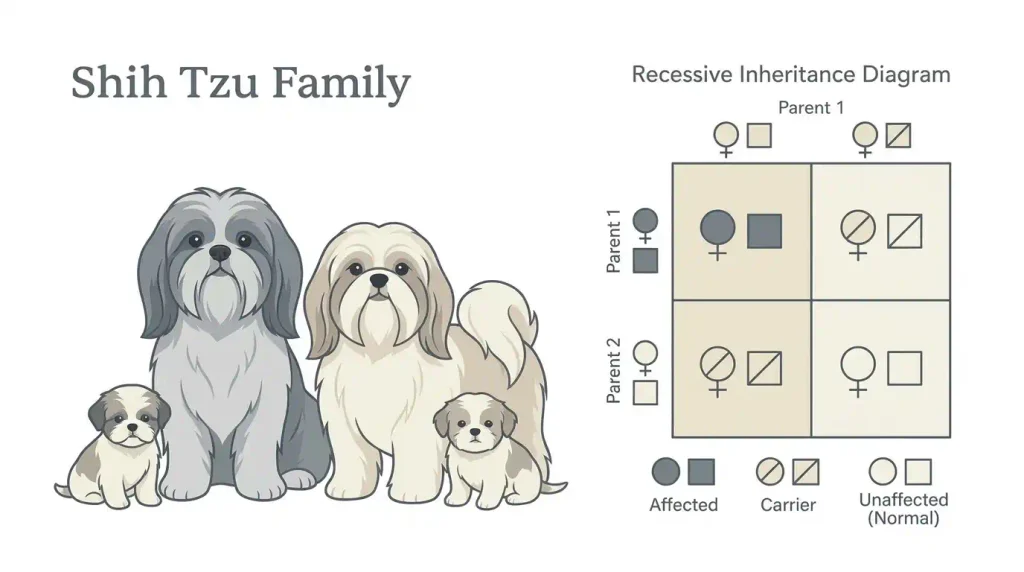
Several documented forms of canine oculocutaneous albinism are recessive. In a simple recessive scenario, an affected puppy receives one relevant pathogenic variant from each parent. Parents with one copy may appear normally colored because their other copy still supports sufficient pigment production. This explains why outwardly ordinary dogs can occasionally produce an affected puppy, but only when the parents carry compatible variants.
The inheritance of an individual Shih Tzu’s pale appearance cannot be assumed from that general model. A different color pattern, a distinct genetic variant, or a misidentified breed mix could also be involved. Testing both parents and the puppy, with qualified interpretation, can clarify a particular case.
4.2 The Role of Pigment-Producing Genes
The SLC45A2 gene has been linked to oculocutaneous albinism in several dog breeds. One published variant was found in a Lhasa Apso and also in affected dogs from other small, long-haired breeds; different SLC45A2 variants have been documented in Doberman Pinschers and Bullmastiffs. The TYR gene encodes tyrosinase, a protein important in melanin production, but merely mentioning TYR does not establish a TYR-related diagnosis in Shih Tzus.
The University of California, Davis Veterinary Genetics Laboratory guide to Lhasa Apso albinism explains the identified SLC45A2 variant, its recessive inheritance, and the breeds for which that particular test is intended. Shih Tzu is not listed among those breeds on that test page. Shared ancestry or visual similarity with the Lhasa Apso does not prove that the same variant occurs in Shih Tzus. shih tzu origin provides breed background, but ancestry is not a substitute for a dog’s genetic result.
4.3 Can Two Normal Shih Tzus Produce an Albino Puppy?
They could in principle if both parents carry the same recessive albinism-causing variant and pass it to the puppy. For a simple autosomal recessive trait, two carriers have a one-in-four chance of producing an affected puppy in each pregnancy. That is a probability for each puppy, not a promise that exactly one puppy in a four-puppy litter will be affected.
However, it would be wrong to say a particular pair of Shih Tzus carries an identified variant without evidence. If a breeder reports an albino puppy from normally colored parents, ask what diagnosis supports the claim, whether both parents have been examined, and which precise genetic test was used. Health and transparency are more valuable than a dramatic inheritance story.
5. Health Concerns Associated With Albino Shih Tzus
Health planning begins with the individual dog. Confirmed or strongly suspected albinism calls for attention to skin and eyes; ordinary Shih Tzu risks still matter too. A short muzzle can make overheating more likely, and prominent, exposed eyes need protection from injury. The right plan considers the complete dog instead of attributing every symptom to pigment.
5.1 Sunlight Sensitivity and Skin Protection
Melanin helps protect exposed skin from ultraviolet radiation. A dog with widespread unpigmented skin may sunburn more easily, especially on the nose, ear tips, belly, and areas with thin hair. Repeated sun damage can increase the risk of certain skin cancers. A full, well-kept coat provides some physical coverage, but it does not protect exposed skin or replace shade.
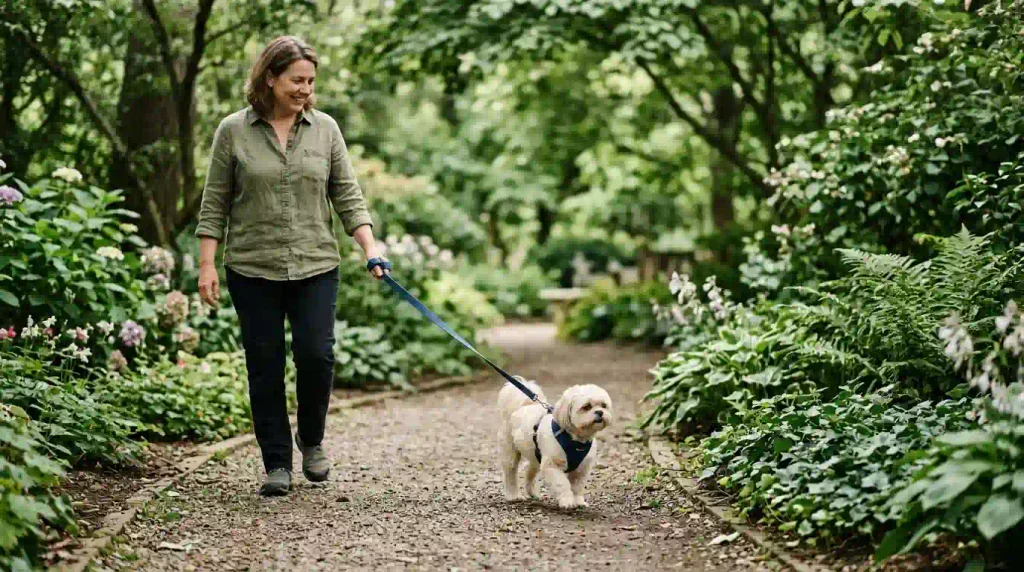
Choose walks in the cooler morning or evening, offer shade outdoors, and limit intense midday exposure. These habits also help a short-muzzled Shih Tzu avoid heat stress. If the dog needs more protection, ask your veterinarian whether a lightweight, breathable garment and a suitable dog-specific sunscreen make sense. Do not assume a human sunscreen is safe if the dog licks it.
5.2 Eye Problems and Vision Challenges
Low pigment in eye structures may contribute to photophobia, or discomfort in bright light, and to visual deficits in some albino dogs. But squinting, redness, discharge, cloudiness, or rubbing an eye can also signal painful conditions unrelated to albinism. Shih Tzus are already vulnerable to eye irritation because of their facial shape and hair near the eyes.
Treat sudden squinting or a closed eye as a prompt veterinary concern rather than a normal “albino trait.” A clinician may check the cornea, tear production, eye pressure, and the back of the eye as indicated. Early treatment of an eye injury can make a major difference to comfort and sight.
5.3 Hearing Problems in Albino Dogs
Do not assume that albinism automatically causes deafness. The known SLC45A2 albinism variants discussed by the UC Davis genetics laboratory are not associated with hearing loss in the same way as some other white-pattern or merle-related conditions. Hearing problems can occur for unrelated reasons, and an unusually white puppy may have a different underlying pigment pattern altogether.
If a puppy does not consistently respond to sound, ask about a formal brainstem auditory evoked response, or BAER, hearing test. Clapping behind a puppy at home is unreliable: the dog might feel vibrations or follow the movement of another dog. A professional test gives you information you can use for training and safety, whatever the ultimate coat diagnosis.
5.4 Increased Risk of Skin Issues
Look regularly for redness, peeling, crusts, persistent sores, or new growths on lightly pigmented areas. Sun exposure is one concern, but itchiness may also reflect allergies, parasites, infections, or grooming-product irritation. Do not label every red area “sunburn,” especially if it appears under the coat or persists after time indoors.
Keep the skin dry after bathing and inspect folds or areas hidden by long hair. Photograph a suspicious spot with the date to help your veterinarian compare changes. If a sore fails to heal, a lump grows, or the dog seems painful, book an exam rather than trying repeated over-the-counter remedies.
5.5 Regular Veterinary Care Requirements
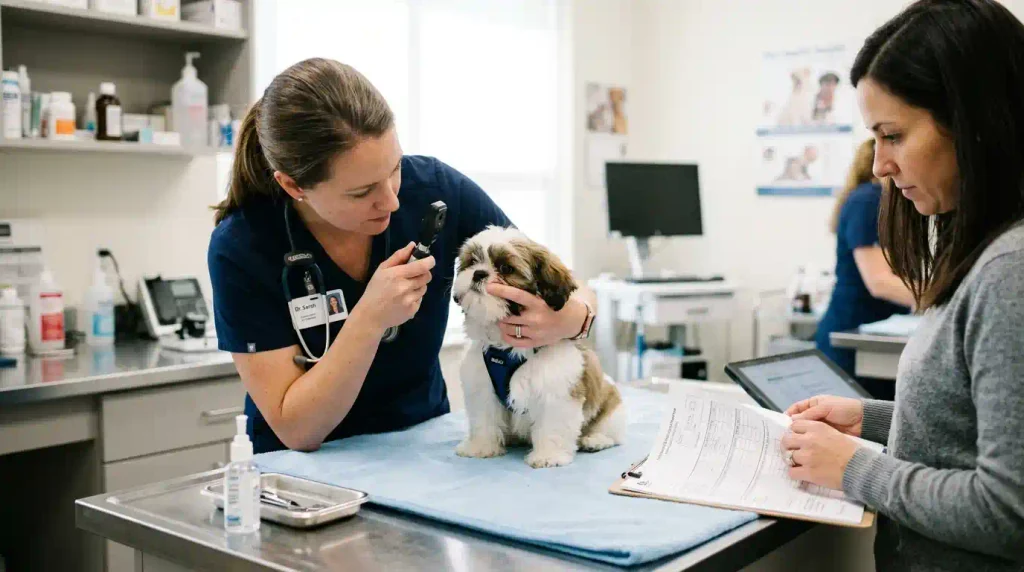
Establish routine visits tailored to your dog’s age and health. Ask the veterinarian to document baseline pigmentation, inspect eyes and skin, and discuss dental care, weight, breathing, and vaccinations. An eye specialist may be appropriate if the dog shows marked light sensitivity or suspected vision loss. There is no single universal “albino Shih Tzu testing schedule”; follow clinical findings.
Bring any breeder DNA report to the appointment, including the laboratory name and exact variant tested. A broad “clear” or “positive” label without its variant and interpretation is easy to misunderstand. Keep a simple record of sun reactions, eye symptoms, medications, and new skin changes so follow-up visits can focus on patterns rather than memory.
6. Albino Shih Tzu Eye Problems and Vision Care
Eye comfort deserves its own plan because changes can be subtle. A dog may avoid sunny windows or hesitate at a doorway long before an owner recognizes light sensitivity. Conversely, an eye infection or scratch can cause similar behavior. Watch the whole pattern, and get an examination when behavior changes.
6.1 Why Albino Dogs Have Light-Sensitive Eyes
Pigment inside and around the eye helps control stray light. With less retinal and iris pigmentation, more light may reach or scatter within sensitive structures. That can make strong sunshine uncomfortable. In some forms of albinism, eye development and visual pathways are also affected, so the question is broader than eye color alone.
Eye appearance does not predict exactly how well an individual dog sees. A lightly pigmented dog may navigate familiar rooms confidently yet struggle in glare or unfamiliar settings. Ask a veterinarian to distinguish light avoidance caused by pigment differences from pain caused by corneal disease, dry eye, or another treatable problem.
6.2 Common Vision Issues
Possible signs include squinting outdoors, moving cautiously in bright light, misjudging steps, bumping into furniture after a room is rearranged, or difficulty following a moving object. An affected dog might rely more on smell, sound, and familiar routes. These signs are not specific to albinism, and some dogs compensate so well that an owner overlooks mild visual limitations.
Seek prompt care for sudden vision change, a cloudy or blue-looking cornea, a red eye, pronounced tearing, or repeated pawing at the face. Keep grooming hair out of the eyes, but never use scissors close to a struggling dog’s eyeball. A professional groomer or veterinarian can help safely maintain a clear field of view.
6.3 Protecting Your Albino Shih Tzu’s Eyes
Offer shaded walking routes and a comfortable indoor place away from direct glare. Maintain a consistent furniture layout if vision is limited, and use a harness to guide the dog gently in unfamiliar spaces. Avoid forcing the dog to face the sun for photographs. Protective dog eyewear may help certain dogs if it fits well and the dog accepts it, but ask a veterinarian about fit and eye health first.
Teach verbal cues such as “step,” “wait,” and “come,” rewarding calm responses. Introduce new spaces slowly and allow sniffing. If the dog becomes suddenly less confident or more light-sensitive, schedule another assessment; adapting the environment does not replace investigating a new medical symptom.
7. Albino Shih Tzu Temperament and Personality
Pigment does not define personality. Owners often describe Shih Tzus as affectionate, alert companions who enjoy people and can have an independent streak. A dog with visual or hearing limitations may react differently in unfamiliar surroundings, but that response reflects experience and sensory information, not an “albino temperament.”
7.1 Are Albino Shih Tzus Different From Other Shih Tzus?
There is no good reason to expect a naturally separate personality type simply because a Shih Tzu has reduced pigmentation. Individual temperament depends on genetics beyond coat color, early experiences, socialization, training, and physical comfort. A dog that startles easily may be unable to see an approaching hand or may have a painful eye; address those possibilities before calling it stubborn or anxious.
When meeting a puppy, observe how it approaches a calm person, explores a safe room, recovers from ordinary noises, and interacts with littermates. These observations offer more practical insight than a color-based promise of “extra gentle” behavior. Ask the breeder or rescue what the dog enjoys and what situations have been difficult.
7.2 Common Shih Tzu Personality Traits
Many Shih Tzus enjoy companionship, short play sessions, and being involved in household life. Their social needs do not disappear when their vision is limited. Consistent routines, gentle handling, and positive experiences around people and other dogs help them feel secure. Give a dog the option to retreat to a quiet bed when grooming, visitors, or busy play becomes tiring.
Because they are small, Shih Tzus can be picked up without warning; that is especially unsettling for a dog with sensory limitations. Speak before touching, let the dog notice your presence, and support its body securely when lifting. Teach children to approach calmly and leave a resting dog alone.
7.3 Training and Socialization Tips
Use brief reward-based sessions with food, praise, or play. Keep cues consistent and reward behaviors you want repeated. If vision is reduced, pair a spoken cue with predictable movement and avoid relying entirely on hand signals. If hearing is impaired, ask a qualified trainer about visual or touch cues after a proper hearing assessment.
Introduce new surfaces, friendly visitors, grooming tools, car rides, and normal household sounds gradually. Make experiences easy enough that the puppy stays curious rather than overwhelmed. A comfortable dog learns more effectively; pain, glare, and overheating can all interfere with training. Adjust conditions before concluding that the Shih Tzu is unwilling to learn.
8. Albino Shih Tzu Grooming Requirements
The long Shih Tzu coat needs regular care regardless of pigment. Grooming also creates a useful opportunity to inspect pale skin, ears, paws, and the area around the eyes. Aim for a routine that keeps the dog comfortable rather than a perfectly white appearance at the expense of skin health.
8.1 Coat Care and Brushing Routine
Brush a full-length coat daily or as often as needed to prevent tangles, using appropriate tools gently from the ends toward the skin. Pay attention behind the ears, under the legs, at the collar, and around the tail. A shorter practical trim can make home maintenance easier, but overly close clipping may expose lightly pigmented skin to more direct sun.
Ask a groomer to show you how to part the coat and find mats without pulling. If brushing hurts, break the work into short sessions and reward cooperation. Severe mats should be handled professionally; cutting into a tight mat at home risks injuring the skin beneath it.
8.2 Skin Protection and Sun Care
Grooming and sun protection work together. Hair coverage can protect some areas, while the nose, eyelids, ear tips, and thin-haired belly remain exposed. Check these regions after outings for redness or irritation. Choose a shaded place for outdoor grooming or photographs, and keep walks short during intense heat.
If a veterinarian recommends sunscreen, confirm that the specific product is suitable for dogs and discuss where and how to apply it. Do not put sunscreen in or very near the eyes, and avoid products containing ingredients the dog could ingest through licking. Clothing should fit without rubbing the armpits, trapping heat, or restricting movement.
8.3 Bathing and Hygiene Tips
Bathe when the coat is dirty or according to a schedule that suits the individual dog and veterinarian’s advice. Use a mild dog shampoo, rinse thoroughly, and dry the skin well. Frequent harsh washing can worsen irritation. Keep facial hair clean, but do not scrub the eyelids or let shampoo run into the eyes.
Check nails and paw pads regularly, especially if the dog spends less time walking on abrasive surfaces because of sun avoidance. Clean around the face with a veterinarian-approved method if tear staining or discharge occurs, and seek an exam if discharge increases or the eye looks red. A pale coat makes stains visible; the cause matters more than removing their color.
9. Albino Shih Tzu Diet and Daily Care
There is no evidence-based “albino diet” that restores melanin or prevents inherited albinism. Feed for the dog’s life stage, body condition, and any diagnosed medical conditions. Daily care succeeds through ordinary good nutrition plus sensible adjustments for light exposure and individual sensory needs.
9.1 Best Nutrition Practices
Choose a complete and balanced dog food suitable for a toy breed puppy or adult, as appropriate. Follow feeding guidance as a starting point and adjust portions with your veterinarian based on weight and body condition. Fresh water should always be available. Avoid supplements advertised as cures for pigment loss; they can waste money or complicate an existing health condition.
Keep treats modest and consider using part of the dog’s regular food for training. If your Shih Tzu has itchy skin, repeated ear trouble, or stomach symptoms, do not assume albinism is the cause. Ask the veterinarian whether food intolerance, allergies, parasites, or another condition needs evaluation before changing diets repeatedly.
9.2 Exercise Requirements
Shih Tzus generally benefit from regular short walks, indoor games, and mental activity rather than demanding endurance exercise. Adapt the schedule to weather, age, breathing, and eye comfort. A pale-skinned dog may do better with shaded routes, while any short-muzzled dog needs careful attention in hot or humid conditions.
Try scent games, a simple food puzzle, or short training sessions when midday sun makes outdoor play uncomfortable. Watch for heavy panting, lagging behind, seeking shade, or refusal to continue. Exercise should leave the dog pleasantly engaged, not distressed or overheated. Your veterinarian can advise on activity after any eye procedure or other illness.
9.3 Creating a Safe Environment
Provide a shaded resting place and keep water within easy reach. For a dog with reduced vision, avoid moving furniture frequently, block unsafe stairs when needed, and keep clutter off regular walking paths. Use textured mats to help the dog recognize doorways or key destinations. Introduce changes slowly so confidence can build.
Make grooming stations secure and well lit without shining a lamp into sensitive eyes. Use a harness rather than pulling on the neck during walks. If hearing is uncertain, keep the dog on a leash or in a secure enclosure until a formal assessment and reliable communication plan are in place. Everyday safety should fit the dog’s actual abilities rather than an assumed diagnosis.
10. Albino Shih Tzu Puppy Guide
A puppy labeled “albino” may attract attention, but health records should guide your decision. Consider whether the seller can explain the pigment claim, show the puppy’s care history, and welcome an independent examination. Take time to assess the living conditions and the dog’s overall welfare before paying a premium for unusual appearance.
10.1 How to Identify an Albino Shih Tzu Puppy
Look beyond the coat. Note whether the nose, lips, eye rims, paw pads, and visible skin are pale, and whether the irises are unusually light. Observe the puppy indoors and outdoors without exposing it to harsh sun. Record signs of squinting, discharge, or difficulty navigating a safe space. None of these observations alone confirms albinism.
Puppy coloration can develop as the dog grows, and photographs can distort pink, blue, and cream tones. Ask for a veterinary eye and skin assessment and for the exact interpretation of any DNA test. If a seller cannot name the laboratory, gene, or variant behind a “genetically proven” claim, request the full report before accepting the description.
10.2 Things to Check Before Adoption
Request vaccination and parasite-prevention records, the puppy’s age, veterinary exam notes, and any eye or hearing assessment. Meet the puppy and, when possible, its mother. Check for clean eyes, comfortable breathing, healthy movement, appropriate body condition, and a curious, responsive demeanor. An unusual coat should not distract from these basics.
Ask what support the breeder or rescue offers if the dog develops a medical concern. Discuss the likely cost of grooming and any necessary specialist visits. If the puppy is already photophobic, plan for prompt veterinary care after bringing it home. A good match means being ready for the individual puppy’s needs, not purchasing a promised look.
10.3 Finding Responsible Breeders
A responsible breeder prioritizes soundness, temperament, and honest health information over scarcity claims. They should explain parental health evaluations, provide records, allow you to ask detailed questions, and avoid pressure to buy immediately. Be cautious of promises that an “albino gene” automatically makes a puppy healthier, more valuable, or suitable for breeding.
Ask for pedigree documentation if a purebred shih tzu is important to you. Registration can support a pedigree claim but does not diagnose albinism or guarantee health. Be equally cautious when a seller combines “albino” with an extreme-size claim such as teacup shih tzu: small size and unusual pigment are separate topics, and exaggerated breeding goals deserve scrutiny.
11. Albino Shih Tzu Lifespan and Quality of Life
Owners naturally want to know whether albinism shortens life. There is no reliable Shih Tzu-specific lifespan figure for genetically confirmed albino dogs, so a precise number would be misleading. General breed expectations offer context, but an individual dog’s outlook depends on its eyes, skin, breathing, other conditions, and access to care.
11.1 Average Lifespan Expectations
Published breed guides commonly describe Shih Tzus as dogs that often live into their teens. That general range should not be presented as an established “albino Shih Tzu lifespan.” Albinism itself does not tell you how long a particular dog will live, and no reputable calculation can convert coat color into a predicted age at death.
Ask your veterinarian for an individualized outlook once the dog’s health is assessed. A puppy with mild light sensitivity and healthy skin has different needs from a dog with significant eye disease or repeated skin lesions. Good preventive care is useful in both cases, even though it cannot remove an inherited pigmentation variant.
11.2 Factors That Affect Longevity
Skin protection, early attention to suspicious growths, prompt treatment of painful eye conditions, dental care, weight management, and safe exercise all affect day-to-day health. So do common Shih Tzu concerns unrelated to pigmentation. A well-kept coat can reduce skin irritation; routine grooming also makes new changes easier to notice.
Avoid two extremes: assuming every albino dog is fragile or ignoring genuine light and skin risks because the dog appears energetic. Track changes in behavior, appetite, navigation, and sun tolerance over time. A new problem warrants evaluation even if it resembles something you’ve seen before.
11.3 Improving Your Dog’s Quality of Life
Quality of life means freedom to play, rest, explore, and interact comfortably. Offer safe outdoor time at suitable hours, enriching indoor activities, predictable cues, and gentle handling. If your dog has impaired vision, build confidence with familiar routes and verbal guidance. If an eye is painful, seek treatment before attempting to train through the behavior it causes.
Keep a short daily note during any period of illness: appetite, sleep, play, eye comfort, skin changes, and interest in people. Share patterns with your veterinarian. Good care is practical and responsive; a dog does not need perfect sight or a standard-colored nose to enjoy a close relationship with its family.
12. Are Albino Shih Tzus Rare and Expensive?
True albinism is unusual in dogs, but unusual does not automatically mean desirable breeding stock or a higher-quality companion. A price tag reflects a seller’s decision and local market, not proof of genetics. Focus on documented welfare and transparent records before considering any rarity premium.
12.1 Why Albino Shih Tzus Are Considered Rare
The condition is uncommon overall, and a truly confirmed case in a Shih Tzu would deserve careful documentation. However, no trustworthy public count establishes how many such Shih Tzus exist. Online photos and repeated “rare albino” advertisements cannot provide a population estimate because many may depict normally white dogs or other pale color patterns.
Compare the claim with ordinary colors before drawing conclusions: a black shih tzu, a black and white shih tzu, or a gold and white shih tzu may have obvious contrast, while a white dog looks exceptional without having a pigment disorder. Rarity should be a verified fact, not the main reason to bring a dog home.
12.2 Albino Shih Tzu Price Factors
Location, breeder practices, pedigree, veterinary care, health testing, and demand can influence a puppy’s asking price. There is no dependable standard “albino Shih Tzu price” to quote across markets, and paying more does not guarantee a diagnosis or sound breeding. Budget beyond the purchase price for grooming, regular veterinary visits, eye assessment if indicated, and skin protection.
Request written details of any genetic claim before discussing a premium. A test for one known mutation may not answer whether a Shih Tzu’s pale appearance is due to albinism. If the seller treats questions about health testing as an insult or urges immediate payment to secure a “once-in-a-lifetime” puppy, step back and reassess.
12.3 Adoption vs Buying From Breeders
Rescues may have white or pale Shih Tzus whose histories are incomplete. Adoption can be a good choice when you’re prepared to arrange baseline veterinary care and learn the dog’s needs. Ask the rescue what it has observed about eye comfort, hearing, behavior outdoors, and skin health; an honest “we don’t know yet” is more useful than an unsupported label.
If buying from a breeder, prioritize humane care, accessible records, and responsible selection of parent dogs. Neither route guarantees perfect health. In either case, arrange a veterinary appointment soon after the dog joins your household and build your care plan around findings rather than the word used in an advertisement.
13. Frequently Asked Questions About Albino Shih Tzus
13.1 Can Albino Shih Tzus See Normally?
Some may navigate well, but light sensitivity or vision differences are possible, so an eye exam is the best way to assess an individual dog.
13.2 Do Albino Shih Tzus Have More Health Problems?
Reduced pigment can increase sun-related skin risk and affect eye comfort or vision, though severity varies and other health problems should be assessed separately.
13.3 Are Albino Shih Tzus Purebred?
Albinism does not determine pedigree; registration and credible ancestry records are needed to assess a purebred claim.
13.4 Can Albino Shih Tzus Live Normal Lives?
Yes, many can enjoy active companion lives with appropriate eye assessment, sun protection, grooming, and routine veterinary care.
13.5 Should Albino Shih Tzus Wear Sunscreen?
Ask your veterinarian about a dog-safe product for exposed skin, while using shade and suitable clothing as the first practical protections.
14. Final Thoughts: Caring for an Albino Shih Tzu
An albino Shih Tzu is defined by a pigment condition, not simply by white fur. Check the eyes, skin, nose, lips, and paw pads together; then ask a veterinarian to evaluate the dog and interpret any suitable DNA testing. If albinism is confirmed or strongly suspected, a manageable routine of shade, skin checks, eye care, gentle grooming, balanced nutrition, and regular veterinary visits can support a comfortable life. Be skeptical of sellers who use “rare albino” to justify a premium without evidence. What matters most is the individual dog’s health and how well you can meet its needs. If you already share your home with a pale Shih Tzu, start by booking a baseline eye and skin assessment and writing down any light sensitivity or changes you’ve noticed.