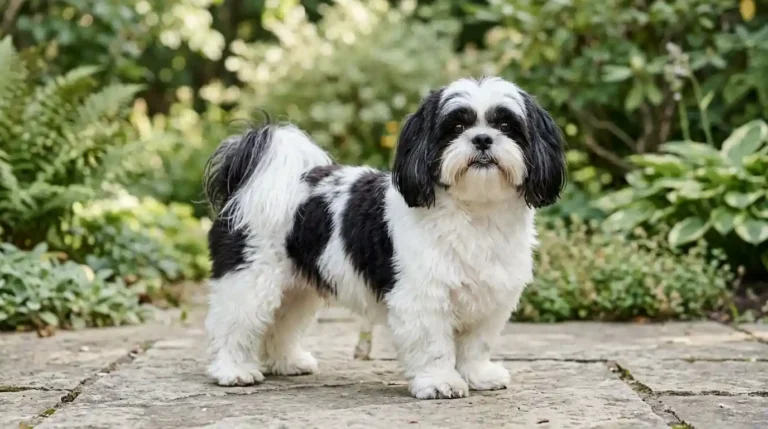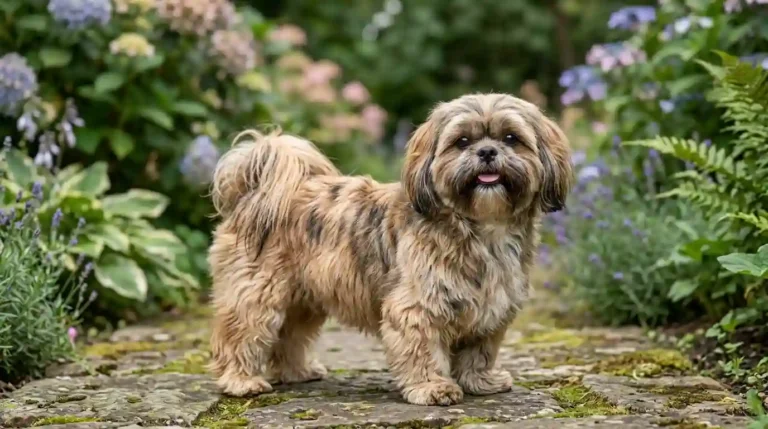

Shih Tzu Facts: History, Traits, Care, and Health
The most useful Shih Tzu facts go far beyond their long coat and expressive face. The Shih Tzu is a small but sturdy companion breed with deep historical ties to Tibet and the Chinese imperial court, a long double coat that comes in many colors, and a temperament traditionally centered on living closely with people. Mature dogs generally weigh about 9–16 pounds, and the breed’s expected lifespan is often listed at 10–18 years. Although Shih Tzus do not need the intense exercise of a working breed, they still benefit from daily walks, play, socialization, reward-based training, and mental stimulation. Their coat can require significant grooming, while their short muzzle means owners should be particularly careful about heat and breathing difficulties. In this guide, you’ll discover reliable facts about Shih Tzu history, their “lion dog” nickname, appearance, personality, puppy development, grooming, training, exercise, health, lifespan, and what prospective owners should know before bringing one home.
Table of Contents
- Shih Tzu facts at a glance
- Where did the Shih Tzu come from?
- Why is the Shih Tzu called a “little lion” or “chrysanthemum-faced dog”?
- What does a Shih Tzu look like?
- What is the Shih Tzu’s personality and original purpose?
- How much exercise, training, and grooming does a Shih Tzu need?
- What health and safety facts should owners know?
- Frequently asked questions about Shih Tzus
- Final thoughts
Shih Tzu Facts at a Glance
If you want the essential Shih Tzu facts and information first, this quick reference covers the basics.
| Shih Tzu Fact | Typical Information |
| Breed | Shih Tzu |
| AKC Group | Toy Group |
| Original role | Companion and palace dog |
| Historical associations | Tibet and imperial China |
| Adult weight | About 9–16 pounds |
| Standard height | Ideally 9–10½ inches; 8–11 inches permitted |
| Life expectancy | About 10–18 years |
| Coat | Dense, long, flowing double coat |
| Colors | Many colors and markings are possible |
| Temperament | Typically outgoing, affectionate, friendly, and companion-oriented |
| Exercise | Modest daily exercise plus play |
| Training | Usually responds best to praise and rewards |
| Grooming | High if coat is kept long |
| Apartment living | Generally well suited |
| Heat tolerance | Limited compared with longer-muzzled breeds |
| AKC recognition | 1969 |
| 2025 AKC popularity ranking | No. 21 |
| Common nickname | Lion Dog |
| Another nickname | Chrysanthemum-faced dog |
The breed standard describes the Shih Tzu as compact and sturdy rather than fragile. Although small enough for apartment living, a healthy Shih Tzu is still a real dog that benefits from walking, exploring, playing, learning, and participating in family life.
Their small size and companion background also explain why they often appear in discussions of lapdogs, apartment breeds, and family companions.
For broader educational articles, visit our shih tzu Breed Information section.
Where Did the Shih Tzu Come From?
The history of the Shih Tzu is fascinating, but it should be presented carefully because not every popular origin story can be proven.
The breed is strongly associated with Tibet and China, yet its precise earliest origins are uncertain.
Historical records, traditional stories, Buddhist symbolism, palace breeding, and the later preservation of the breed in Europe all contribute to the modern Shih Tzu’s story.
For a deeper treatment, see our dedicated guide to Shih Tzu origin.
Tibetan Roots and Chinese Imperial History
The Shih Tzu is generally believed to descend from small Tibetan lion-like dogs that eventually became highly valued in China.
The association with the lion is important.
Lions held strong symbolic meaning within Buddhist traditions. Because actual lions were not native to China, small dogs bred to resemble artistic representations of lions became culturally significant.
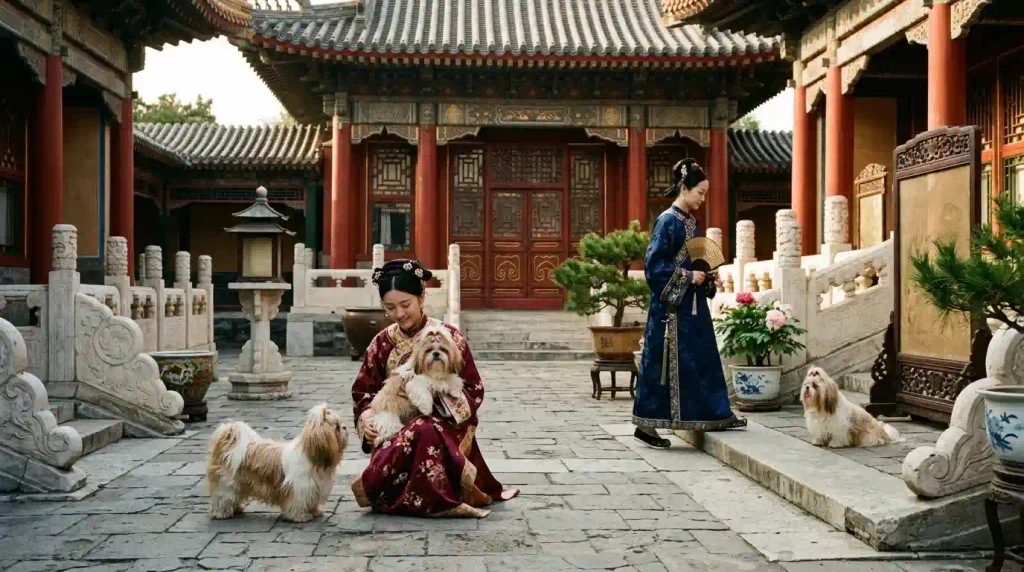
Dogs resembling Shih Tzus were associated with Chinese courts for centuries.
The breed became particularly connected with imperial life during the Ming Dynasty, from 1368 to 1644, when small companion dogs were valued within royal households.
Later, during the Qing period, Dowager Empress Cixi maintained an important palace kennel that included Shih Tzu-like dogs, Pekingese, and Pugs.
This complicated history explains why modern sources sometimes connect the breed with several Asian toy breeds.
The Shih Tzu’s ancestry is commonly discussed alongside the:
- Lhasa Apso
- Pekingese
- Pug
- Other Tibetan lion-type companion dogs
Older sources sometimes present a simple statement such as “the Shih Tzu was created by crossing a Pekingese and Lhasa Apso.”
That explanation is probably too neat.
The modern breed emerged from a much longer history of Tibetan and Chinese dogs, selective breeding, cultural preferences, and later European preservation.
What Is Known About the Breed’s Foundation
One of the most interesting facts about Shih Tzu dogs is how narrow the modern breed’s surviving foundation became.
By the early 20th century, political and social upheaval in China placed many traditional palace breeds at risk.
A small number of Shih Tzus had fortunately already reached Europe.
According to modern AKC historical material, today’s Shih Tzus descend from 13 Shih Tzus imported into England and Scandinavia between 1928 and 1952, plus one black-and-white Pekingese that was incorporated into the breeding program in England in 1952.
That explains an apparent contradiction found in many articles.
You may see:
“Modern Shih Tzus descend from 13 dogs.”
or:
“All modern Shih Tzus descend from 14 dogs.”
Both are trying to describe the same small foundation, but the clearer explanation is:
13 imported Shih Tzus + 1 Pekingese outcross = 14 foundation dogs involved in the modern breeding population.
The Pekingese outcross was controversial among breed enthusiasts even at the time.
This history is also a reminder that breed development is often more complex than a modern pedigree label suggests.
If you’re interested in what the term means today, our purebred Shih Tzu guide explains the difference between appearance, documented pedigree, and breed identity.
When the Shih Tzu Reached the United States and AKC Recognition
Shih Tzus became established in Europe before gaining a significant following in the United States.
American servicemen stationed in Europe became familiar with the breed and helped introduce Shih Tzus to the United States.
American breeders subsequently imported additional dogs.
Breed enthusiasts eventually organized their efforts, and the American Shih Tzu Club was formed in 1963.
The Shih Tzu entered the American Kennel Club Stud Book in 1969, and the breed became part of the Toy Group.
Today you can review the current breed profile on the American Kennel Club Shih Tzu page.
The breed remains popular in the United States. In the AKC’s 2025 registration-based popularity ranking, the Shih Tzu ranked No. 21.
Popularity rankings change from year to year, so they should be treated as a snapshot rather than a permanent characteristic of the breed.
Why Is the Shih Tzu Called a “Little Lion” or “Chrysanthemum-Faced Dog”?
Two of the best-known Shih Tzu fun facts concern the breed’s unusual nicknames.
The name Shih Tzu is commonly translated into English as “lion dog” or, in many popular breed references, “little lion.”
The name connects the dog with lion imagery that has long been significant in Buddhist culture.
A small companion dog could symbolically represent the powerful lion even though its actual job was far more peaceful.
Shih Tzus were never developed to hunt lions or guard large estates.
Their historical role was overwhelmingly that of a companion dog.
The Chrysanthemum-Faced Dog
The Shih Tzu is also known as the “chrysanthemum-faced dog.”
This nickname comes from the unusual way facial hair grows outward around the dog’s face.
When the hair is long, the strands can radiate in multiple directions around the nose and eyes, somewhat resembling the petals of a chrysanthemum flower.
The effect becomes particularly obvious when facial furnishings are allowed to grow naturally.
Owners who keep their dogs in a short puppy cut may see less of the classic chrysanthemum appearance, although facial hair grows quickly.
This is one reason Shih Tzu grooming includes special attention to hair near the eyes.
Another Fun Fact: Shih Tzu Is Both Singular and Plural
You can correctly say:
“One Shih Tzu”
and:
“Three Shih Tzu.”
You do not need to add an “s” to the breed name.
People who are uncertain about pronunciation or spelling can also see our guide explaining how do you spell Shih Tzu.
What Does a Shih Tzu Look Like?
The Shih Tzu combines a small overall size with a surprisingly sturdy body.
The breed should not look extremely delicate, long-legged, or fragile.
Instead, the traditional outline is compact and substantial, with:
- Broad head
- Large, expressive eyes
- Short muzzle
- Drop ears
- Sturdy body
- Tail carried over the back
- Long double coat
- Abundant facial hair
The dog’s body is slightly longer than it is tall.
The overall expression is traditionally described as warm, friendly, and trusting.
Size, Build, and Coat
The breed standard gives an ideal height of approximately 9 to 10½ inches at the withers, while allowing a range from 8 to 11 inches.
Mature dogs ideally weigh approximately 9 to 16 pounds.
This makes the Shih Tzu small enough to live comfortably in many apartments while remaining more solid than its long coat might suggest.
There is no officially recognized separate miniature breed variety.
Marketing labels such as teacup Shih Tzu should therefore not be confused with an AKC-recognized Shih Tzu size division.
Likewise, owners sometimes hear different types of Shih Tzu discussed online, but terms based on facial shape, region, size, or marketing should be distinguished from officially recognized breed varieties.
The Double Coat
The traditional Shih Tzu has a dense double coat consisting of:
- A long outer coat
- A softer undercoat
When maintained in show condition, the coat can grow long enough to reach the floor.
That appearance is beautiful but grooming-intensive.
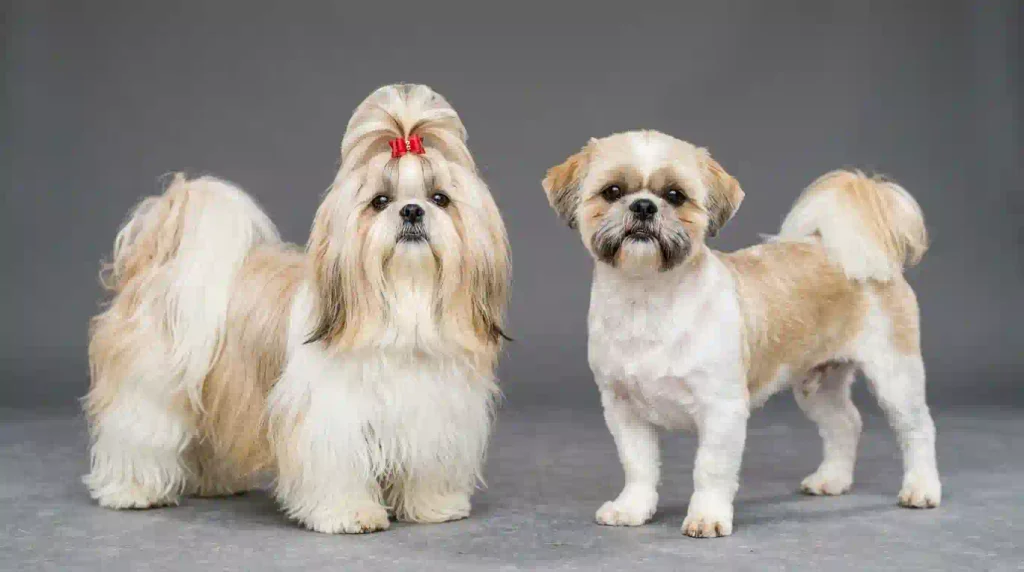
Pet owners frequently choose a shorter puppy cut, which reduces the amount of daily coat maintenance.
A “lion cut” may also be offered by some groomers, usually leaving more hair around selected parts of the body while clipping other areas shorter, but it is a grooming style rather than a separate coat type.
The unusual prapso Shih Tzu has a naturally different coat-development pattern and should not simply be confused with a normally coated dog that has been clipped short.
Coat Colors and Changes
One of the most visually interesting facts about Shih Tzu dogs is the enormous variety of coat colors.
The breed standard permits all colors and markings.
The range includes:
- Black
- White
- Gold
- Red
- Silver
- Blue
- Liver
- Brindle
- Two-color combinations
- Three-color combinations
Our full Shih Tzu colors guide explains these differences in detail.
Some examples include a solid-looking black Shih Tzu, warm red Shih Tzu, patterned brindle Shih Tzu, or liver-pigmented liver Shih Tzu.
White combinations are also common, such as:
- Black and white Shih Tzu
- Gold and white Shih Tzu
- Red and white Shih Tzu
- Liver and white Shih Tzu
- Silver and white Shih Tzu
Less familiar descriptions may include a blue Shih Tzu, grey Shih Tzu, lavender Shih Tzu, or golden brown Shih Tzu.
Importantly, not every color term describes the same biological feature.
For example, liver is identified largely through brown-based pigmentation of the nose, lips, and eye rims—not merely through brown-looking hair.
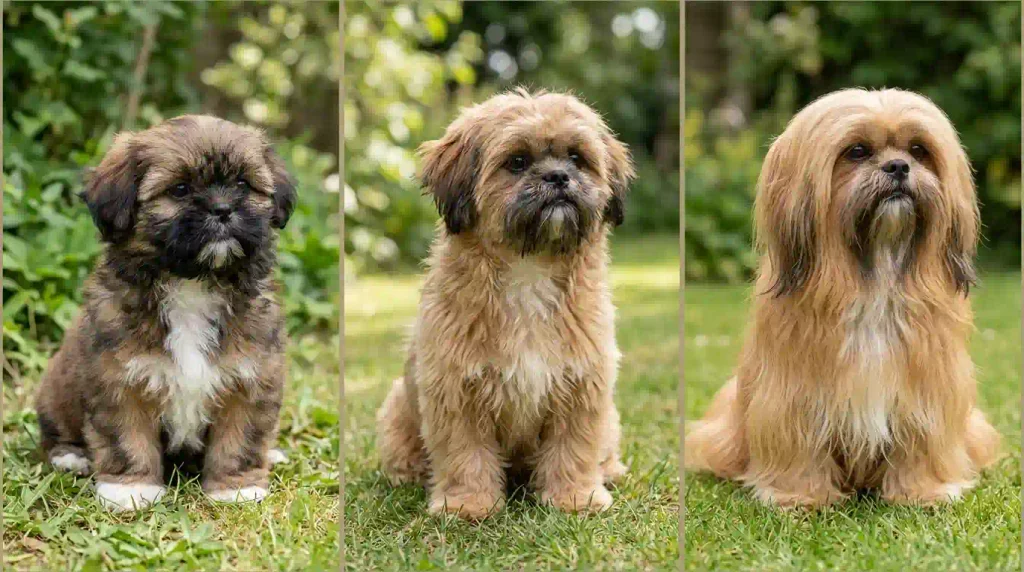
Do Shih Tzu Puppies Change Color?
Yes.
A Shih Tzu puppy may look significantly different as an adult.
Many Shih Tzus experience a noticeable coat transition around 10–12 months of age as the puppy coat gives way to the adult coat.
During development:
- Gold may become lighter.
- Red may soften toward copper or gold.
- Dark tipping may become less visible.
- Brindle can become less obvious.
- Gray may develop into a more silver appearance.
- Facial markings can appear different as hair becomes longer.
This does not mean every puppy changes dramatically.
Some retain much of their original coloring.
The important lesson is not to assume that an eight-week-old puppy’s exact shade is guaranteed for adulthood.
What Is the Shih Tzu’s Personality and Original Purpose?
Unlike breeds developed primarily for hunting, herding, livestock protection, or pulling sleds, the Shih Tzu’s historical job was straightforward:
Be a companion.
The breed standard states that the Shih Tzu’s purpose is that of a companion and house pet.
Typical breed tendencies include being:
- Affectionate
- Outgoing
- Friendly
- Playful
- People-oriented
- Alert
- Social
- Confident
However, breed tendencies are not guarantees.
Every dog’s temperament is influenced by genetics, early handling, socialization, training, health, experiences, and environment.
A poorly socialized Shih Tzu should not be expected to behave exactly like an ideal breed description simply because of its pedigree.
Are Shih Tzus Lapdogs?
They often enjoy being close to people and may spend considerable time sitting beside or on their owners.
However, “lapdog” should not be interpreted as meaning the dog requires no exercise or training.
Shih Tzus benefit from being allowed to:
- Walk
- Sniff
- Explore
- Play
- Learn tricks
- Meet appropriate people
- Experience new environments
- Solve simple enrichment activities
They were bred for companionship, not inactivity.
Are Shih Tzus Good With Children?
Many Shih Tzus are affectionate family companions and can do well with respectful children.
Supervision is still important.
A Shih Tzu is small enough to be injured by rough handling, dropping, grabbing, or inappropriate play.
Children should learn to:
- Let the dog approach voluntarily
- Avoid pulling hair or ears
- Leave a sleeping dog alone
- Avoid disturbing meals
- Handle the dog gently
- Respect signs that the dog wants space
Early positive socialization benefits both puppies and families.
Are Shih Tzus Good Apartment Dogs?
Generally, yes.
Their compact size, companion background, and modest exercise requirements can make them well suited to apartment living.
A small home does not remove the need for daily activity.
A Shih Tzu living in an apartment still needs walks, toilet opportunities, play, interaction, training, and mental stimulation.
Do Shih Tzus Like Being Alone?
Many do best when they have substantial human interaction.
A breed developed for companionship may find very long periods of isolation difficult.
That does not mean a Shih Tzu can never spend time alone.
Gradual independence training is valuable so the dog learns that short absences are normal and safe.
How Much Exercise, Training, and Grooming Does a Shih Tzu Need?
One appealing aspect of the breed is that owners usually do not need to provide hours of high-intensity exercise every day.
That does not mean exercise should be ignored.
Exercise Needs
A healthy adult Shih Tzu can often be satisfied with:
- Short daily walks
- Indoor play
- Gentle games
- Training sessions
- Safe exploration
Daily walks in the range of roughly 15–20 minutes at a time, adjusted for the individual dog’s age, fitness, weather, and health, can be appropriate for many Shih Tzus.
Some enjoy more activity.
Despite their glamorous appearance, individual Shih Tzus can also participate in:
- Obedience
- Rally
- Trick training
- Scent activities
- Agility
A Shih Tzu does not need to become a competitive agility dog to benefit from learning new skills.
Simple obstacle work, tricks, and enrichment can provide useful mental activity.
Avoid Overexertion in Heat
Because the breed has a short muzzle, strenuous exercise in hot or humid weather is a poor idea.
Walk during cooler parts of the day and watch carefully for signs of overheating.
More on heat safety appears in the health section below.
Training a Shih Tzu
Shih Tzus are capable of learning, but their charming personality can tempt owners into inconsistent rules.
Reward-based methods usually work well.
Useful rewards include:
- Small treats
- Praise
- Toys
- Play
- Access to something the dog wants
Keep training sessions short and clear.
Five productive minutes can be more useful than forcing a distracted puppy through a long session.
House-Training
House-training may require patience and consistency.
Small dogs have small bladders, and young puppies need frequent toilet opportunities.
A practical routine includes:
- Taking the puppy out after waking.
- Offering a toilet break after meals.
- Taking the puppy out after active play.
- Rewarding correct toileting immediately.
- Supervising closely indoors.
- Avoiding punishment for accidents.
Punishment can make a puppy hide when it needs to toilet without actually teaching the correct location.
Early Socialization
Socialization does not mean forcing the puppy to greet everyone.
It means carefully creating positive experiences with:
- Different people
- Household noises
- Grooming tools
- Veterinary handling
- Safe dogs
- Different surfaces
- Car rides
- New environments
A well-socialized puppy is better prepared to cope with normal life.
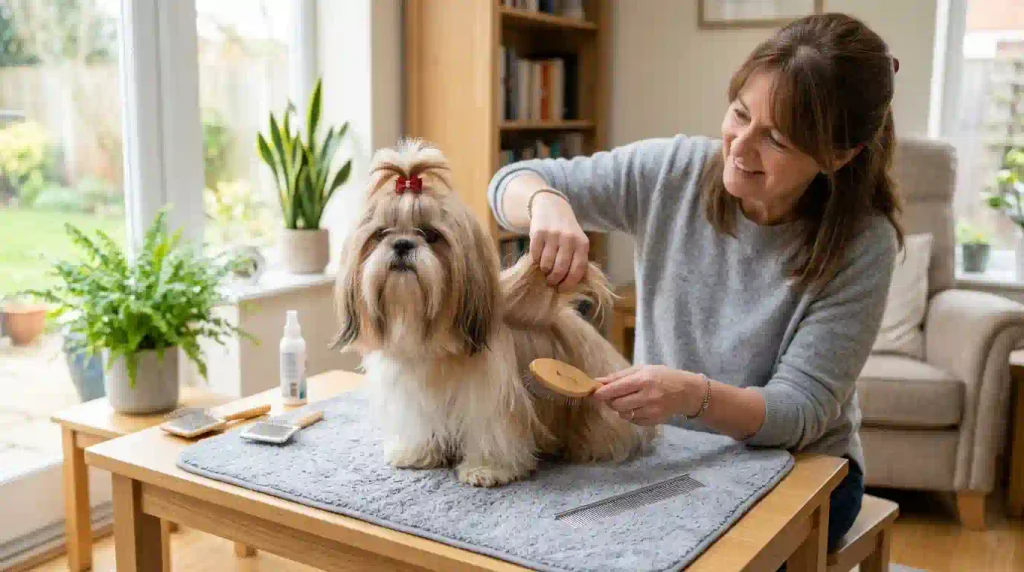
Grooming Requirements
Grooming is one of the biggest commitments associated with the breed.
A full-length Shih Tzu coat can require daily brushing.
Focus particularly on areas prone to matting:
- Behind the ears
- Under the front legs
- Chest
- Belly
- Inner legs
- Tail
- Neck
- Areas underneath a harness
Brush in layers rather than only over the surface.
A comb can then help identify tangles that the brush missed.
Bathing
Long-coated dogs may benefit from bathing every few weeks, depending on lifestyle and coat condition.
Use products designed for dogs and rinse thoroughly.
A conditioner appropriate for the dog’s coat can make detangling easier.
Mats should ideally be addressed before bathing because water can tighten existing tangles.
Facial Hair and the Topknot
Long hair around the Shih Tzu’s face needs careful management.
Hair can be:
- Trimmed shorter
- Combed regularly
- Gathered into a topknot
A topknot is not merely decorative; it helps keep long hair away from the eyes.
Daily attention to the mustache and facial hair can also prevent uncomfortable knots.
The Puppy Cut
Many pet owners choose the shorter puppy cut because it makes the coat easier to maintain.
A short haircut does not eliminate grooming completely.
The dog still needs:
- Brushing
- Bathing
- Nail trimming
- Ear care
- Facial cleaning
- Regular professional grooming as needed
For owners who admire the breed but do not want a floor-length coat, a puppy cut is often practical.
What Health and Safety Facts Should Owners Know?
No breed is guaranteed to develop a particular disease, but prospective owners should understand health conditions and safety issues that may occur more often in the breed.
The Shih Tzu’s 10–18 year life expectancy means many dogs can remain family companions for a long time, making preventive healthcare especially worthwhile.
Shih Tzus Are Brachycephalic
The Shih Tzu has a shortened skull and muzzle and is therefore considered a brachycephalic breed.
Some individuals breathe normally.
Others can experience airway problems grouped under brachycephalic obstructive airway syndrome.
Possible features can include:
- Narrow nostrils
- Excess tissue in the airway
- An elongated soft palate
- Noisy breathing
- Exercise intolerance
- Difficulty cooling themselves efficiently
Snoring can occur in short-muzzled dogs, but persistent noisy breathing should not automatically be dismissed as “normal for the breed.”
A veterinarian should evaluate dogs that struggle to breathe, exercise poorly, collapse, or appear chronically distressed.
Heat and Overheating
A major safety issue for Shih Tzus is overheating.
Dogs primarily cool themselves through panting.
Shortened airways can make that process less efficient.
To reduce risk:
- Avoid strenuous activity during hot weather.
- Walk in the morning or evening.
- Keep fresh water available.
- Provide air-conditioned or cool indoor space.
- Never leave the dog inside a parked car.
- Watch for excessive panting or distress.
Possible heatstroke signs can include intense panting, weakness, confusion, vomiting, collapse, or abnormal gum color.
Heatstroke is an emergency.
Eye Problems
The breed has relatively large, exposed eyes.
Possible concerns can include:
- Dry eye
- Corneal injury
- Cataracts
- Glaucoma
- Irritation from facial hair
Seek veterinary care if you notice:
- Persistent redness
- Squinting
- Cloudiness
- Discharge
- Rubbing at the eyes
- Sudden visual difficulty
The long facial hair should be kept out of the eyes using careful trimming or an appropriate topknot.
Dental and Periodontal Disease
Small dogs can have crowded teeth, which may make plaque and tartar management more important.
Regular tooth brushing and veterinary dental examinations can help reduce periodontal disease.
Do not wait for severe odor or loose teeth before thinking about dental care.
Patellar Luxation
Small breeds can be predisposed to patellar luxation, where the kneecap moves out of its normal position.
Possible signs include intermittent skipping, briefly carrying a rear leg, or persistent lameness.
A veterinarian can determine severity and whether treatment is necessary.
Hip Dysplasia
Although commonly associated with larger dogs, hip dysplasia can also occur in Shih Tzus.
The condition involves abnormal development of the hip joint and can eventually contribute to pain or arthritis.
Not every affected dog shows obvious symptoms when young.
Water Safety
Shih Tzus should also be supervised carefully around swimming pools, ponds, and other deep water.
Their body shape, heavy coat, and short muzzle do not make them ideal swimmers.
Do not assume a dog will automatically know how to exit a swimming pool.
Weight Matters
Being small does not protect a dog from obesity.
Extra weight can make:
- Breathing harder
- Joints work harder
- Exercise more difficult
- Heat tolerance worse
Monitor treats and food portions and discuss the dog’s ideal body condition with your veterinarian.
Do Shih Tzus Shed?
Shih Tzus are often described as low-shedding dogs compared with many breeds.
Loose hairs may become trapped within the long coat instead of falling freely around the home, which is one reason brushing remains important.
Low shedding does not mean zero shedding.
It also does not mean every person with dog allergies will tolerate the breed.
Our guide to whether the Shih Tzu is hypoallergenic explains why allergens can come from dander, saliva, and other biological material—not simply loose hair.
Frequently Asked Questions About Shih Tzus
What is the Shih Tzu known for?
The Shih Tzu is best known as a small, affectionate companion dog with a long double coat, short muzzle, expressive eyes, and strong historical links to China.
Where are Shih Tzus originally from?
The breed has Tibetan roots and was developed and highly valued in imperial China.
Is the Shih Tzu Chinese or Tibetan?
Its deeper ancestry is associated with Tibetan lion-type dogs, while development of the recognizable breed is strongly connected with China.
What does Shih Tzu mean?
The name is commonly translated as “lion dog” or “little lion.”
Why are Shih Tzus called chrysanthemum-faced dogs?
Their facial hair grows outward in multiple directions, creating an appearance compared with chrysanthemum petals.
How big does a Shih Tzu get?
Mature Shih Tzus generally weigh about 9–16 pounds, with the breed standard allowing a height range of 8–11 inches.
How long do Shih Tzus live?
The commonly listed life expectancy is approximately 10–18 years.
When did the AKC recognize the Shih Tzu?
The Shih Tzu entered the AKC Stud Book in 1969.
What AKC group is the Shih Tzu in?
The Shih Tzu belongs to the Toy Group.
How popular is the Shih Tzu?
The Shih Tzu ranked No. 21 in AKC’s registration-based U.S. breed popularity list for 2025.
Were Shih Tzus bred to hunt?
No; their primary historical purpose was companionship.
Are Shih Tzus lapdogs?
Many enjoy sitting close to their owners, although they still need exercise, training, and mental stimulation.
Are Shih Tzus good apartment dogs?
Yes, their small size and moderate exercise needs can make them well suited to apartment living.
Are Shih Tzus good with children?
Many are affectionate with children, but interactions should be supervised and children should handle the small dog gently.
Are Shih Tzus easy to train?
They can learn well with consistent reward-based training, although some individuals can be independent or easily distracted.
Are Shih Tzus difficult to house-train?
Some owners find house-training challenging, so frequent toilet opportunities, supervision, routine, and rewards are important.
How much exercise does a Shih Tzu need?
Many healthy adults do well with short daily walks plus indoor play and mental enrichment.
Can Shih Tzus do agility?
Yes; physically healthy and appropriately trained Shih Tzus can enjoy agility, rally, obedience, tricks, and other dog activities.
Do Shih Tzus need daily grooming?
Long-coated Shih Tzus generally require daily brushing, while shorter pet cuts reduce but do not eliminate grooming.
What is a Shih Tzu puppy cut?
A puppy cut is a shorter grooming style designed to make coat maintenance more manageable.
What is a Shih Tzu lion cut?
A lion cut is a grooming style that leaves selected areas longer while clipping others shorter; it is not a separate breed type.
Do Shih Tzu coats change color?
Yes, many puppies become noticeably lighter or otherwise change appearance as their adult coat develops.
What colors can Shih Tzus be?
Shih Tzus occur in black, white, gold, red, silver, blue, liver, brindle, and many multi-color combinations.
Are Shih Tzus hypoallergenic?
They are low-shedding compared with many breeds, but no coat color or breed can guarantee that an allergic person will not react.
Do Shih Tzus shed?
They shed relatively little visibly, but loose hair still occurs and often becomes trapped in the coat.
Why do Shih Tzus snore?
Their short muzzle can contribute to snoring, although significant or labored breathing should be evaluated by a veterinarian.
Do Shih Tzus overheat easily?
Their short muzzle can make cooling less efficient, so owners should be particularly cautious in hot and humid weather.
Are Shih Tzus good swimmers?
They should be supervised closely around water because their body shape, coat, and short muzzle do not make them strong natural swimmers.
Do Shih Tzus bark a lot?
Individual behavior varies; some bark mainly to alert while others become more vocal depending on environment, training, and habit.
Are Shih Tzus smart?
They are capable learners, especially when training is short, rewarding, and consistent.
Can Shih Tzus be left alone?
They can learn to tolerate reasonable periods alone, but many are strongly people-oriented and may not thrive with very long daily isolation.
Are there different types of Shih Tzu?
There is one recognized Shih Tzu breed; many “types” discussed online are informal descriptions based on size, appearance, coat, or marketing.
Is a teacup Shih Tzu a separate breed?
No, “teacup” is not a separate AKC-recognized Shih Tzu variety.
How many dogs founded the modern Shih Tzu population?
Modern Shih Tzus trace to 13 imported Shih Tzus plus one Pekingese incorporated into the European breeding program.
Are Shih Tzus related to wolves?
Like all domestic dogs, they share deep evolutionary ancestry with wolves; see our detailed Shih Tzu wolf DNA guide for context.
What are some fun Shih Tzu facts for kids?
Shih Tzu means “lion dog,” the breed has been called the chrysanthemum-faced dog, it once lived in Chinese palaces, and its name works as both singular and plural.
Final Thoughts
The most interesting Shih Tzu facts reveal a breed created not for hunting or guarding but for close companionship. Behind the glamorous coat is a sturdy little dog with Tibetan and Chinese history, strong associations with imperial life, an affectionate personality, and a surprisingly diverse range of colors.
A Shih Tzu can adapt well to apartments and family life, but small size does not mean zero work. Daily interaction, reward-based training, coat maintenance, dental and eye care, moderate exercise, and careful heat management all matter.
If you’re researching the breed before getting a puppy, continue with our shih tzu Breed Information hub and detailed Shih Tzu origin guide to understand the breed beyond its appearance.