Silver Brindle Shih Tzu: How to Identify the Coat and Care for It
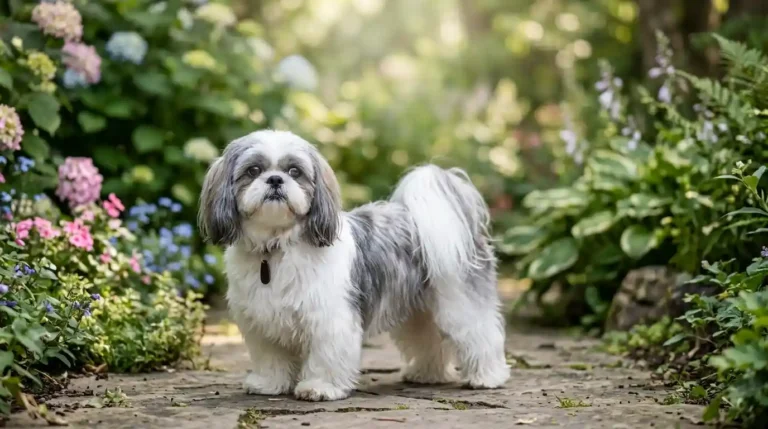
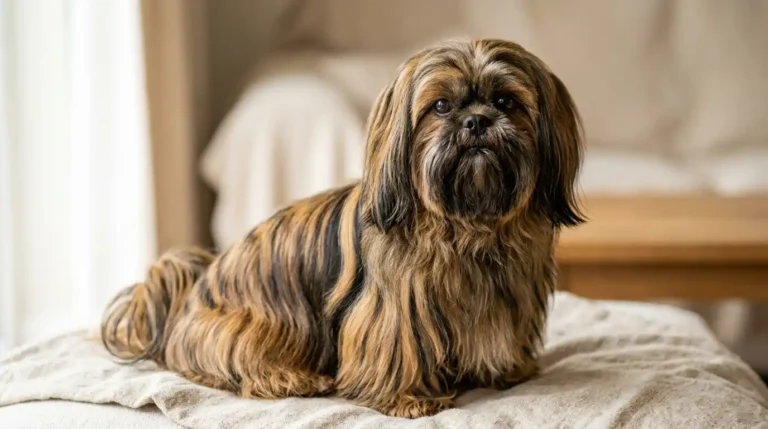
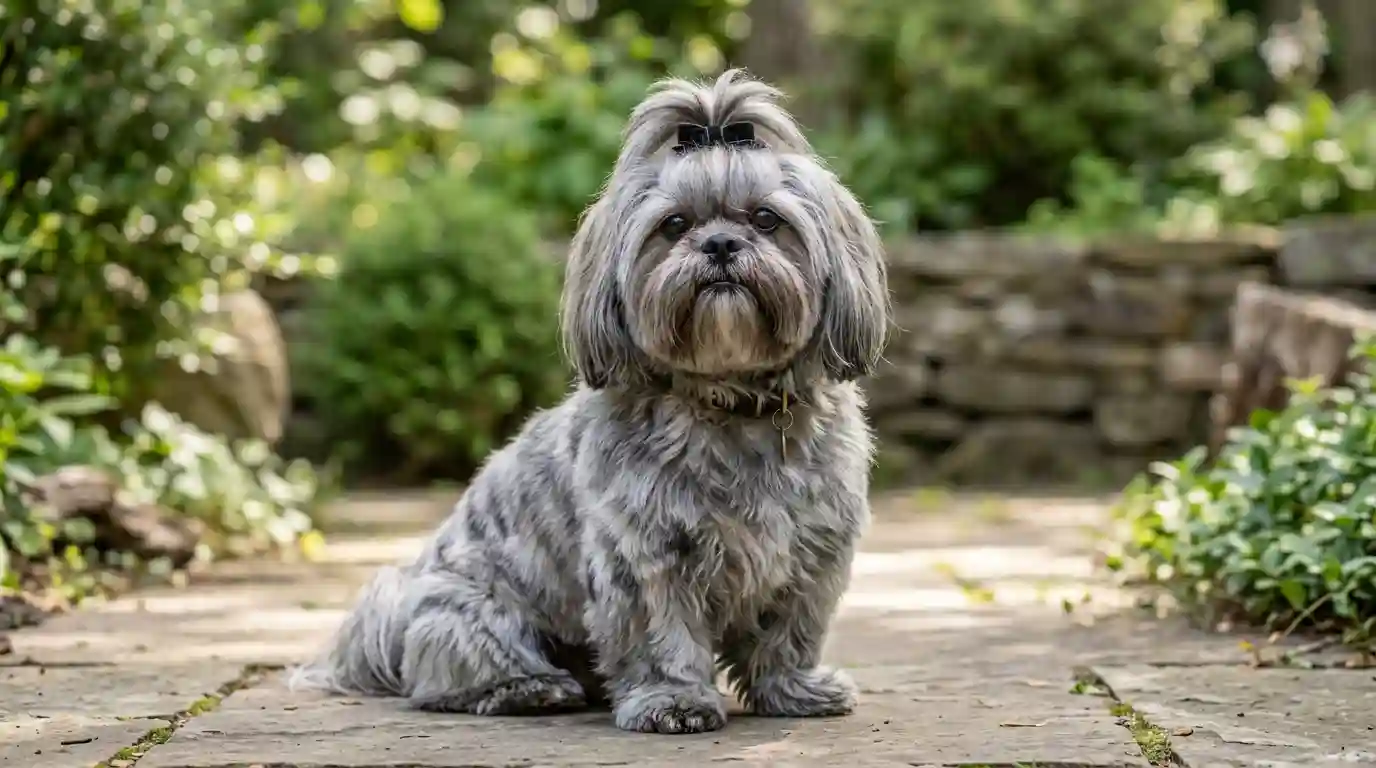
A silver brindle Shih Tzu has silver- or gray-looking areas of hair with darker streaks running through the colored coat. The two words describe different things: silver tells you how the hair appears, while brindle describes the streaked pattern. To identify one, look at the dog’s sides and legs in natural light. Can you see repeated dark markings within silver-looking hair? A pale coat with sharply separate white patches, a dark facial mask, or black-tipped hairs may look similar in a photograph without actually showing body brindling. The distinction matters when a puppy is advertised with an impressive color name: neither a picture nor a label proves a particular genetic result, and the adult coat can look different after growth or grooming. This guide gives you a practical visual comparison, explains which changes are ordinary, and shows what to ask before choosing a puppy. It also covers the grooming and health checks that matter more to the dog than whether its stripes photograph perfectly.
Table of Contents
- What does “silver brindle” describe?
- How can you tell it from similar Shih Tzu coats?
- Can a silver brindle puppy change color?
- What can genetics and DNA testing establish?
- Is silver brindle accepted or particularly rare?
- How should you groom and monitor the coat?
- What should you check before choosing a puppy?
- Frequently asked questions
- Final thoughts
What does “silver brindle” describe?
Silver-looking hair and the brindle stripe pattern
Think of a silver brindle Shih Tzu as a dog whose colored hair looks cool silver or gray and shows darker streaks within those colored areas. Brindle is a pattern, not a separate solid color. The contrast may appear charcoal against pale silver or softer dark gray against a medium-gray background. The important feature is the repeated streaking, not a single dark spot or the exact metallic shine a camera captures.
Start your inspection at the shoulders and sides, where the hair is less dominated by a facial mask. Move close enough to see individual areas of hair, then step back to check how the pattern looks across the whole body. Look at both sides and the upper legs. Brindle stripes may run through much of the colored coat or appear only in certain patches; they do not have to look like perfect parallel lines. A longer coat can blend neighboring hairs so that the effect looks marbled or softly shaded from a distance.
The word silver is often used descriptively. An owner might call a dog silver because its hair has a cool, slightly shiny gray appearance. Someone else may say gray. Those everyday terms do not establish whether the dog carries a specific dilute-color variant. If you want the broader terminology, compare the silver Shih Tzu and brindle Shih Tzu guides, then return to the key question here: are there darker streaks inside the silver-looking coat?
Why the pattern may look faint or predominantly dark
A lightly brindled coat has relatively separated dark markings, leaving more of the silver-looking background visible. With tight or heavy brindling, dark areas sit close together and the dog can look predominantly charcoal. Owners sometimes call widely spaced markings loose brindle and close markings tight brindle. These are useful visual phrases, but they are not precise measurements or guarantees about the puppy’s adult appearance.
Hair length changes the apparent contrast. In a short trim, colors may be easier to distinguish across the body. In a longer coat, the hair moves, overlaps, and mixes visually. A silver undercoat can also affect how a parted coat looks without demonstrating dark stripes on its own. To inspect fairly, part a few areas gently and compare the surface with the hair closer to the skin. You are looking for a recurring pattern in the colored coat, not simply finding one silver strand under dark hair.

How can you tell it from similar Shih Tzu coats?
Compare silver brindle, solid silver, and silver and white
A solid silver Shih Tzu may have a cool gray coat with highlights but no repeated dark streaks within the colored hair. A silver and white Shih Tzu has silver-looking areas and distinct white patches. That arrangement tells you where one color ends and another begins; it does not tell you whether the silver-colored areas are brindled. A dog can have white on its chest and paws and brindle streaking on its silver-looking sides.
| Coat appearance | Look for | Common source of confusion |
| Solid silver or gray | Fairly continuous cool-colored hair without recurring dark streaks | Shadow or uneven lighting can look striped. |
| Silver and white | A boundary between silver-looking hair and white patches | White markings are different from brindle streaks. |
| Silver brindle | Repeated darker markings within silver-looking colored areas | Long hair may blur the pattern. |
| Silver brindle with white markings | Both dark streaks in colored hair and distinct white areas | A seller may emphasize only one of the two features. |
Separate brindle stripes from black tips, a mask, and blue pigment
Black-tipped hair can create a smoky overlay on an otherwise lighter coat. If darkness is concentrated at the ends of individual hairs, a haircut may remove much of it. Brindle, by comparison, is identified from repeated darker streaking within colored regions of the coat. A photo of one dark tuft is insufficient to tell the difference. Part hair in several areas and compare the side of the dog with the top of its back.
A black mask describes darker facial hair. The dog may have a dramatic dark muzzle or ears while its body is fairly even in color. Check the torso before calling it brindle. A masked dog can also be brindled, but the mask is not evidence of body stripes. If the dark color is mostly confined to the face, note the facial marking separately. Likewise, a distinct dark saddle over the back is not automatically the repeated streaking that people mean by brindle.
Blue introduces another common mistake. In Shih Tzu color discussions, blue can refer to diluted dark pigment; people often look at the nose and other pigmented skin points rather than just gray-looking hair. A dog with a silver-gray coat is not automatically a blue Shih Tzu. Check the nose, lips, eye rims, and paw pads in natural light if a seller claims blue pigmentation. Appearance can guide questions, but a photograph taken under cool lighting cannot establish a genotype.

Can a silver brindle puppy change color?
Coat growth, graying, and the effect of a haircut
Yes. A puppy’s visible coat may change as longer adult hair grows in. The silver shade can become easier or harder to see, and brindle contrast can shift. Some puppies that look dark at first develop more visible lighter hair. Others retain a strong dark pattern. It would be a mistake to promise that every silver brindle puppy follows the same timetable or finishes with the same shade.
A haircut can produce an immediate visual change without changing the dog’s inherited color variants. Cutting hair that carries dark tips may reveal lighter portions. Shortening long, blended hair may make existing stripes easier to spot. A long coat can hide details near the skin; a clipped coat shows a different layer and hair arrangement. When a seller compares before-and-after photos, ask how much time and grooming separated them.
Additional gray hairs can alter contrast as a dog ages. That is different from a puppy coat maturing and different again from sudden hair loss. Use descriptions such as “lighter sides,” “less visible stripes,” or “gray hairs appearing around the face” rather than assuming a named gene is responsible. Some competitor pages offer very definite explanations of fading or graying. A change in photographs alone does not verify which genetic mechanism produced it.
How to take useful before-and-after photographs
Use indirect daylight and avoid warm indoor bulbs or dramatic filters. Photograph the same dog from the left and right sides, then take a closer picture of the shoulders and upper legs. Include the face if you want to track a black mask, but do not use a face-only image to assess body brindling. Record the date, age, and approximate coat length.
| Record with each photo | Why it matters |
| Dog’s age and date | Shows when a visible change occurred. |
| Natural versus artificial light | Reduces false shifts in silver and charcoal tones. |
| Recent grooming and coat length | Helps explain why streaks seem stronger or weaker. |
| Both body sides | Prevents a single dramatic patch from defining the entire dog. |
This small record also helps you notice a genuine skin or hair problem. If one section suddenly becomes thin or irritated, photos taken under similar conditions make it easier to explain the change to a veterinarian.

What can genetics and DNA testing establish?
How pigment genes interact to affect appearance
Coat-color genetics involve more than one switch. Dark pigment and red or yellow pigment are expressed differently depending on interactions among several genes. The K locus is relevant to dark pigment distribution and brindle-related outcomes; other loci affect the background color and visible pattern. The A locus also influences where pigment appears. A single phrase such as “the brindle gene” oversimplifies those interactions.
The D locus concerns dilution of dark pigment. Genetic blue dilution can affect the color of pigmented points such as the nose. Yet silver is often used to describe hair that looks pale gray or shiny. A silver-looking Shih Tzu is therefore not proof of D-locus dilution. Age, other color genes, and the way long hair presents its color can all complicate a visual assessment. Keep your statement at the level the evidence supports: “silver-looking coat with brindle streaks” is a visual description; “genetically blue” is a different assertion requiring supporting evidence.
The University of California, Davis Veterinary Genetics Laboratory describes interactions among K-locus results and other pigment genes; some results can be associated with different visible outcomes. This is why a breeder’s claim that brindle is always a simple recessive trait should not be accepted solely because it appears in a coat-color article. The same cautious approach applies to claims that one puppy is inherently healthier, rarer, or more valuable because of its silver sheen.
Why a color name cannot establish a genotype
A DNA report can identify the variants a particular test covers. It can help clarify a specific dilution or pattern claim when the laboratory offers an appropriate test and the results are interpreted in context. A report cannot supply a pixel-perfect forecast of how silver, dark streaks, white patches, and grooming will combine in an adult coat. It also cannot establish a puppy’s overall health merely because color-related genes were tested.
Ask what was actually tested, which dog the report identifies, and what the result says. A seller might have tested one parent but not the puppy, or may show a cropped screenshot without the relevant details. Neither is enough to assign the puppy an unverified genotype. Conversely, you do not need a DNA test to describe obvious streaks you can see in the coat. The test answers a genetic question; the photograph records appearance at a moment in time.
Is silver brindle accepted or particularly rare?
The breed standard versus a seller’s description
The American Kennel Club Shih Tzu breed standard states that all colors and markings are permissible and considered equally. A Shih Tzu is not disqualified for having a silver-looking, brindled coat. The standard describes the entire dog; it does not award extra merit for a particular stripe contrast. It also does not supply a population count for “silver brindle” as a marketing phrase.
Registration terminology may differ from a breeder’s visual description. A form may have a color choice that fits imperfectly, while the breeder uses “silver brindle” to describe the appearance in photographs. Ask what appears on the records and what the seller sees in the coat today. A registration label is not a promise that a puppy’s adult shade will match a current image, nor is it a genetic report.
Claims of rarity require more than the fact that a coat is striking or unfamiliar to you. A breeder might seldom produce a particular combination, but that does not establish its prevalence across all Shih Tzus. Do not accept an automatic premium just because an ad says “rare silver brindle.” Evaluate the individual puppy, the clarity of the seller’s information, the health records, and the care it has received. The pattern can be a reason you love the dog’s appearance without becoming the only reason you choose it.
How should you groom and monitor the coat?
Brushing through a long double coat
The Shih Tzu has a long, dense double coat. Brindle streaks do not change the basic grooming requirement: prevent mats, keep the dog comfortable, and inspect what lies beneath the outer hair. A silver and charcoal mix may hide small bits of debris, so do not judge cleanliness from color alone. Brush in sections, then check gently with a comb that the hair is free of knots close to the skin.
Pay attention behind the ears, under a harness or collar, in the armpits, and along the legs. These areas experience friction and can mat while the visible topcoat looks tidy. If a knot is tight against the skin, avoid pulling or trying to cut it off with household scissors; ask a qualified groomer or veterinarian for help. A manageable shorter trim is often more comfortable than a long coat that cannot be brushed thoroughly.
Choose bathing intervals and dog-appropriate shampoo according to the individual dog’s needs and professional advice. Rinse well and dry and detangle the coat carefully. Conditioner may make long hair easier to manage; no product is needed to “activate” a silver sheen or preserve brindle stripes. A haircut can alter their visibility, but a cosmetic treatment cannot guarantee a fixed inherited pattern.
Coat or skin changes worth discussing with a veterinarian
Ordinary changes in shade are different from new bald spots, persistent itching, redness, crusts, sores, or pronounced flaking. If you see those signs, consult a veterinarian. Do not label hair loss as harmless “brindle fading,” and do not diagnose a disease because a dog happens to look silver. A dated photograph and a note about when the change began can help a professional assess it.
What should you check before choosing a puppy?
Request current photographs and explain the color label
Ask for recent natural-light photographs of both sides of the actual puppy, plus a close view of colored hair on the shoulder or flank. Have the seller point out where the darker streaks are visible. Request a short unfiltered video if the pattern remains unclear. A face-only portrait, a heavily edited photo, or pictures of a parent cannot establish this puppy’s exact coat appearance.
Review health information and use a short buyer checklist
Coat-color testing and health screening address different questions. Request the puppy’s veterinary information and the parents’ relevant health screening records. If a genetic report is offered, identify the tested dog and the specific variants examined. Review the written agreement and ask about everyday care, grooming, and socialization. These requests are reasonable whether the puppy is silver brindle, red brindle Shih Tzu, or another color entirely.
Puppy evaluation checklist:
- Identity: Are the dated photos and video of the puppy being offered?
- Pattern: Can you locate recurring dark streaks in a silver-looking colored area, rather than only on the face or hair tips?
- Change: Does the seller acknowledge that the adult coat and the apparent stripe contrast may differ?
- Records: Can you review the puppy’s veterinary information and the parents’ relevant screening results?
- Claims: If genetics, rarity, or a special price is asserted, what specific evidence supports it?
- Care: Is the puppy clean, comfortable, appropriately handled, and free of obvious severe matting?
- Agreement: Are the identity, transfer terms, and any promises clear in writing?
If the seller cannot provide everything immediately, distinguish a reasonable delay from evasive answers. A rescue may have limited parent history and still be transparent about what it knows. Describe the coat as it appears now and make your decision on the dog’s welfare and suitability, rather than requiring a perfect color story.
Frequently asked questions
Is silver brindle a separate type of Shih Tzu?
No; it describes a silver-looking coat with darker brindle streaks.
Can a silver brindle Shih Tzu have white paws?
Yes; white markings can accompany brindle in the colored areas.
Does a gray coat mean the dog is genetically blue?
No; gray-looking hair alone cannot establish blue dilution.
Will a silver brindle puppy keep its stripes?
Stripe visibility can change as the coat grows, ages, and is cut.
Is a black mask the same as brindle?
No; examine the body for repeated dark streaks rather than relying on facial color.
Does silver brindle require special shampoo?
No; use products suited to the individual’s skin and coat.
Final Thoughts
A silver brindle Shih Tzu is identified by darker streaks within silver- or gray-looking areas of the coat. White patches, a dark face, or black hair tips may appear alongside that coat, but each describes a different feature. Look at both sides in natural light and remember that puppy hair, aging, and haircuts can alter how obvious the stripes look. Silver appearance does not prove blue dilution, and a rare-color claim needs evidence. Groom the dog as you would any long-coated Shih Tzu: check for mats, keep the skin comfortable, and seek veterinary advice for new irritation or hair loss. If you are choosing a puppy, request current photographs and health information, then select the individual dog whose needs fit your home. Use the checklist above before committing to a color-based promise.