

Shih Tzu Heart Problems: Murmurs, Symptoms and Veterinary Care
A Shih Tzu heart murmur is an unusual sound a veterinarian hears when blood flows turbulently through or near the heart. Although discovering a heart murmur in your beloved Shih Tzu can be worrying, it does not automatically mean your dog has heart failure or a shortened life expectancy. Some murmurs are harmless, while others develop because of heart valve disease, congenital abnormalities, or age-related cardiac changes.
Shih Tzus, like other small dog breeds, can develop degenerative mitral valve disease, a condition that may gradually affect the heart’s ability to circulate blood efficiently. Warning signs can include persistent coughing, rapid breathing, reduced stamina, weakness, or fainting. However, many affected dogs initially show no obvious symptoms.
Understanding the difference between a mild heart murmur, progressive heart disease, and congestive heart failure is essential for making informed decisions. This comprehensive guide explains Shih Tzu heart murmur grades, common causes, diagnostic tests, treatment options, life expectancy, emergency warning signs, and practical home-care strategies to help you protect your dog’s heart health.
Important: A heart murmur is a clinical finding, not a diagnosis by itself. Only a veterinarian can determine its cause and whether treatment is necessary. Labored breathing, collapse, or blue gums require immediate emergency veterinary attention.
Table of Contents
- Shih Tzu Heart Murmur: Quick Overview
- My Shih Tzu Was Diagnosed With a Heart Murmur: What Happens Next?
- Understanding the Shih Tzu’s Heart and How Murmurs Develop
- Types and Causes of Heart Murmurs in Shih Tzus
- Mitral Valve Disease in Shih Tzus
- Shih Tzu Heart Murmur Grades: Understanding Severity
- Signs and Symptoms of Heart Murmurs in Shih Tzus
- Shih Tzu Heart Murmur vs. Common Breathing Problems
- Heart Murmurs in Shih Tzus by Age
- Diagnosing a Heart Murmur in Shih Tzus
- Treatment Options for Shih Tzu Heart Murmurs
- Caring for a Shih Tzu With a Heart Murmur at Home
- Shih Tzu Heart Murmur Prognosis and Life Expectancy
- Preventing Heart Problems and Protecting Your Shih Tzu’s Heart Health
- Common Myths About Shih Tzu Heart Murmurs
- Frequently Asked Questions About Shih Tzu Heart Murmurs
- Final Thoughts on Shih Tzu Heart Murmurs
1. Shih Tzu Heart Murmur: Quick Overview
1.1 What Is a Heart Murmur in Shih Tzus?
A heart murmur is an additional or abnormal sound created by turbulent blood flow through the heart or nearby blood vessels. Normally, a veterinarian hears two primary heart sounds associated with the closing of the heart valves. A murmur adds a whooshing, swishing, or blowing sound to this regular rhythm.
A heart murmur in Shih Tzu dogs may occur because blood leaks backward through a damaged valve, travels through a narrowed passage, or flows unusually quickly.
A murmur does not necessarily mean the heart cannot pump enough blood. Its medical significance depends on the underlying cause, severity of any structural abnormalities, and presence of symptoms.
1.2 How Common Are Heart Murmurs in Shih Tzus?
Heart murmurs are clinically important in Shih Tzus, especially as they become older. The breed belongs to the small-dog population in which acquired mitral valve disease is frequently encountered.
However, there is no single reliable percentage that describes how many Shih Tzus of all ages have heart murmurs. Prevalence depends on age, population, examination methods, and the conditions included in a particular study.
A murmur detected in a young puppy may have a different explanation from one newly discovered in a twelve-year-old Shih Tzu.
1.3 Why Are Shih Tzus Prone to Heart Murmurs?
Several factors can contribute to cardiac problems in this breed:
- Small-breed predisposition: Degenerative mitral valve disease commonly affects small dogs.
- Age: Valve degeneration becomes more likely as dogs grow older.
- Inherited influences: Some cardiac abnormalities have a genetic component.
- Underlying illnesses: Anemia, infections, and other medical conditions can sometimes produce or affect murmurs.
Shih Tzus also have brachycephalic facial anatomy, which may create separate respiratory concerns. Their short muzzle does not directly cause mitral valve degeneration, but breathing problems can complicate the assessment of possible heart disease.
For general breed care, explore our shih tzu health and wellness resources. The breed is sometimes misspelled as Shit Zhu, although Shih Tzu is the correct name.
1.4 Is a Heart Murmur Always a Sign of Heart Disease?
No. Some heart murmurs are innocent or physiological, meaning they occur without an underlying structural heart defect.
These murmurs are more commonly recognized in young puppies and may disappear as the dog matures.
Other murmurs result from abnormalities such as mitral regurgitation, congenital defects, or disease affecting the heart valves.
A veterinarian must consider the dog’s age, physical examination, symptoms, murmur characteristics, and diagnostic findings before determining whether the sound represents significant heart disease.
1.5 Can a Shih Tzu Live a Normal Life With a Heart Murmur?
Yes. Many Shih Tzus with mild murmurs or early-stage heart disease continue enjoying normal activities for years.
Some never develop congestive heart failure, while others eventually require medication and closer monitoring.
A dog’s outlook depends on the cause of the murmur, heart chamber size, disease progression, response to treatment, and other health conditions.
Discovering the problem early can provide an opportunity to establish a baseline and identify changes before serious complications occur.
1.6 Shih Tzu Heart Murmurs at a Glance
Heart Murmur Types, Grades, Symptoms, and Treatment Options
| Feature | What Shih Tzu Owners Should Know |
| Definition | Abnormal sound caused by turbulent blood flow |
| Common acquired cause | Degenerative mitral valve disease |
| Murmur grading | Scale of 1 to 6 based on loudness and characteristics |
| Possible symptoms | Coughing, rapid breathing, fatigue, weakness, fainting |
| Diagnosis | Veterinary examination, echocardiogram, other testing |
| Treatment | Depends on the underlying disease and its stage |
| Medication | Not always required |
| Prognosis | Ranges from normal lifespan to progressive heart disease |
| Emergency signs | Severe breathing difficulty, collapse, blue or gray gums |
When a Heart Murmur Is Harmless vs. Concerning
A soft murmur in a healthy puppy may be innocent, particularly if the puppy is growing normally and has no symptoms.
A newly detected murmur in an older Shih Tzu deserves investigation because acquired valve disease becomes more likely with age.
A loud murmur, abnormal heart rhythm, fainting, or difficulty breathing raises additional concern.
The key distinction is that murmur loudness alone cannot tell you whether your Shih Tzu has heart failure.
2. My Shih Tzu Was Diagnosed With a Heart Murmur: What Happens Next?
2.1 What to Do After Your Vet Detects a Heart Murmur
If your veterinarian hears a heart murmur, the first step is to understand what was found rather than assuming the worst.
Ask about the murmur grade, where it was heard, whether the rhythm is normal, and whether further testing is recommended.
Provide information about any coughing, fainting, unusual panting, exercise intolerance, or changes in sleep.
It is also helpful to mention existing medical conditions and medications.
If your Shih Tzu appears comfortable, has normal breathing, and shows no concerning signs, the veterinarian can generally arrange the appropriate evaluation without treating the finding as an immediate emergency.
However, an otherwise comfortable dog still needs timely assessment when a newly discovered murmur could indicate structural heart disease.
2.2 Which Tests Should Be Done First?
The recommended tests depend on the dog’s age, examination findings, and symptoms.
An echocardiogram is particularly valuable because it can show the heart valves, chamber dimensions, and blood flow patterns.
Chest X-rays may help evaluate the heart’s outline and detect changes in the lungs.
Blood tests, blood pressure measurements, or an electrocardiogram may also be appropriate.
Not every Shih Tzu needs every test immediately. Your veterinarian will prioritize them based on the suspected condition.
2.3 Does an Asymptomatic Heart Murmur Require Medication?
Not necessarily.
An asymptomatic Shih Tzu has no obvious clinical signs attributable to heart disease. Some dogs with murmurs have no significant structural disease, while others have diagnosed valve disease without heart failure.
For dogs with myxomatous mitral valve disease, the distinction between ACVIM Stage B1 and Stage B2 is especially important.
Stage B1 dogs generally do not benefit from starting routine cardiac medication. Stage B2 dogs meeting specific enlargement criteria are commonly prescribed pimobendan to delay heart failure.
Treatment decisions therefore require more information than murmur grade alone.
2.4 What to Expect During the First Veterinary Cardiology Visit
A veterinary cardiologist typically reviews the dog’s medical history, medication list, and recent symptoms before performing a cardiovascular examination.
The specialist may conduct an echocardiogram to evaluate valve movement, mitral regurgitation, and cardiac chamber enlargement.
Depending on the findings, additional tests may be recommended.
At the end of the appointment, owners should understand the suspected diagnosis, disease stage, whether medication is indicated, and when follow-up testing should occur.
3. Understanding the Shih Tzu’s Heart and How Murmurs Develop
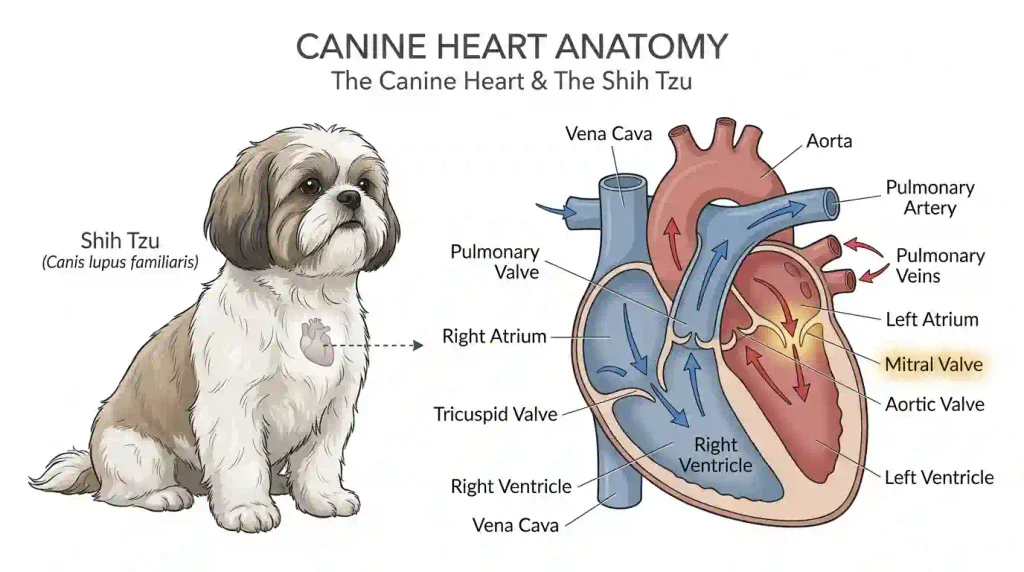
3.1 Basic Anatomy of a Dog’s Heart
A Shih Tzu’s heart has the same basic structure as the hearts of other dog breeds.
It contains four chambers, four main valves, and major blood vessels that transport blood between the heart, lungs, and body.
The heart’s valves help maintain blood flow in the correct direction.
Heart Chambers, Valves, and Blood Vessels
The four chambers are the right atrium, right ventricle, left atrium, and left ventricle.
The tricuspid valve separates the right atrium from the right ventricle, while the mitral valve separates the left atrium from the left ventricle.
The pulmonary valve controls blood leaving the right ventricle toward the lungs. The aortic valve controls blood moving from the left ventricle into the aorta.
These structures work together to maintain effective circulation.
3.2 How Blood Flows Through a Healthy Dog’s Heart
Blood returning from the body enters the right atrium, passes into the right ventricle, and travels through the pulmonary artery to the lungs.
After receiving oxygen, it returns to the left atrium and moves into the left ventricle.
The left ventricle then pumps oxygenated blood through the aorta to supply the body’s tissues.
Normal valve function prevents significant backward flow during this process.
3.3 What Causes the Sound of a Heart Murmur?
Heart murmurs form when blood flow becomes sufficiently turbulent to produce an audible vibration.
Common mechanisms include a leaking valve, narrowed opening, abnormal connection between cardiac structures, or unusually fast blood flow.
With degenerative mitral valve disease, the mitral valve fails to close properly. Some blood then moves backward into the left atrium during ventricular contraction.
This backward flow is called mitral regurgitation and can produce a characteristic systolic murmur.
3.4 What Does a Heart Murmur Sound Like?
A veterinarian may describe a murmur as blowing, swishing, rushing, or whooshing.
The sound may occur during systole, when the ventricles contract, or during diastole, when they relax.
Some congenital defects produce continuous murmurs that extend through both phases.
Veterinarians assess the sound’s intensity, timing, location, and distribution across the chest.
These characteristics help identify possible causes, but imaging is often necessary for a definitive diagnosis.
3.5 How Heart Murmurs Affect Normal Heart Function
A murmur is the sound of an underlying blood-flow disturbance. The sound itself does not damage the heart.
When significant valve leakage or another structural defect is present, the heart may need to work harder to maintain circulation.
Over time, persistent abnormal blood flow can lead to chamber enlargement, increased pressure within the circulation, and reduced cardiovascular efficiency.
In advanced cases, these changes may contribute to congestive heart failure.
The effects vary considerably depending on the specific disease.
4. Types and Causes of Heart Murmurs in Shih Tzus
4.1 Innocent or Physiologic Heart Murmurs
An innocent heart murmur occurs without a clinically important structural abnormality.
It may be detected in an otherwise healthy puppy because of normal variations in blood flow.
These murmurs are usually soft and systolic, although a veterinarian must still evaluate their characteristics.
A physiological flow murmur can also occur when blood is moving unusually quickly because of another condition.
An innocent murmur should never be assumed solely because the dog appears healthy.
4.2 Congenital Heart Murmurs
Congenital heart disease refers to structural abnormalities present from birth.
These problems may affect valves, chambers, or major blood vessels. Some are mild, while others interfere significantly with circulation.
Although not all the following defects are particularly common in Shih Tzus, they are important possible causes of congenital heart murmurs in dogs.
Pulmonic Stenosis
Pulmonic stenosis causes narrowing around the outlet from the right ventricle toward the pulmonary artery.
The right ventricle must generate additional pressure to move blood through the narrowed region.
Affected dogs may develop a systolic murmur, fatigue, weakness, or fainting.
Severe cases may be candidates for specialized catheter-based treatment.
Subaortic Stenosis
Subaortic stenosis is a narrowing beneath the aortic valve that obstructs blood leaving the left ventricle.
Severe disease can increase pressure within the ventricle and may contribute to abnormal heart rhythms or fainting.
This condition is more characteristic of certain larger breeds but remains part of the differential diagnosis for congenital murmurs.
Patent Ductus Arteriosus (PDA)
Patent ductus arteriosus occurs when a fetal blood vessel connecting the aorta and pulmonary artery fails to close after birth.
A typical left-to-right PDA may produce a distinctive continuous murmur.
Untreated significant PDA can eventually cause heart enlargement and failure.
Many affected dogs can benefit substantially from early closure by catheter-based intervention or surgery.
Ventricular Septal Defect (VSD)
A ventricular septal defect is an opening in the wall separating the two ventricles.
Blood may pass between the chambers, creating abnormal circulation and a heart murmur.
Small defects can sometimes cause loud murmurs despite limited physiological consequences.
Larger defects may place substantial strain on the heart and pulmonary circulation.
Mitral Valve Dysplasia
Mitral valve dysplasia means the mitral valve developed abnormally before birth.
An abnormal valve may allow blood to leak backward into the left atrium.
Depending on severity, affected dogs may remain asymptomatic or develop cardiac enlargement and congestive heart failure.
It differs from degenerative mitral valve disease, which generally develops later in life.
Tricuspid Valve Dysplasia
Tricuspid valve dysplasia is a congenital abnormality affecting the valve between the right atrium and right ventricle.
The valve may leak, allowing blood to flow backward into the right atrium.
Severe disease can contribute to right-sided heart enlargement, fluid retention, and abdominal swelling.
Tetralogy of Fallot
Tetralogy of Fallot is a complex congenital condition involving four structural abnormalities of the heart.
It interferes with normal blood oxygenation and may cause exercise intolerance, weakness, or cyanosis.
Affected dogs require specialized veterinary cardiology assessment.
4.3 Acquired Heart Murmurs
Acquired murmurs develop after birth, often as the result of progressive disease.
In an older Shih Tzu, degenerative valve disease is generally a more important consideration than many rare congenital abnormalities.
Myxomatous Mitral Valve Disease (MMVD)
MMVD is one of the most important acquired cardiac diseases affecting small dogs.
The mitral valve gradually thickens and changes shape, preventing it from closing effectively.
As valve leakage progresses, a systolic murmur may become louder and the left atrium and ventricle may enlarge.
Some dogs remain stable for years, whereas others eventually develop congestive heart failure.
Myxomatous Tricuspid Valve Disease
Degeneration can also affect the tricuspid valve.
Tricuspid regurgitation allows blood to leak backward into the right atrium.
It may occur alongside mitral valve degeneration and, if severe, can contribute to right-sided cardiac enlargement and fluid accumulation.
Dilated Cardiomyopathy (DCM)
Dilated cardiomyopathy is a heart muscle disorder in which the ventricles become enlarged and pumping ability declines.
It is more strongly associated with certain large and giant breeds than with Shih Tzus.
However, veterinary assessment may consider DCM when imaging reveals reduced heart muscle function or characteristic chamber changes.
Some forms of DCM are associated with genetics or nutritional problems, while others remain unexplained.
4.4 Heart Murmurs Caused by Conditions Outside the Heart
Not all murmurs arise from damaged valves or congenital defects.
Anemia can reduce blood viscosity and increase the likelihood of turbulent blood flow.
Fever, hyperthyroidism, and other high-circulatory-output states may also produce functional murmurs.
Severe systemic illness can affect heart rate and circulation.
Veterinarians may use a complete blood count, blood chemistry tests, and other investigations to identify these causes.
4.5 Other Risk Factors for Heart Murmurs
Age, inherited predisposition, and existing cardiovascular disease influence the likelihood of cardiac abnormalities.
Obesity can add cardiovascular strain, although it is not the direct cause of degenerative valve disease.
High blood pressure and certain endocrine disorders may complicate cardiac management.
For example, Shih Tzu Cushing’s Disease can be associated with hypertension and other systemic problems that require veterinary assessment.
Heartworm disease is another important cardiovascular concern in the United States, making appropriate preventive care valuable.
4.6 Heart Murmurs in Small Dogs vs. Large Dogs
Small breeds commonly develop degenerative atrioventricular valve disease, particularly involving the mitral valve.
Larger breeds have different patterns of cardiac risk, including greater susceptibility to some forms of dilated cardiomyopathy.
Breed size influences the conditions veterinarians consider, but it does not establish a diagnosis.
An individual Shih Tzu can have several possible cardiac or noncardiac explanations for a murmur.
5. Mitral Valve Disease in Shih Tzus
5.1 What Is Mitral Valve Disease?
Mitral valve disease occurs when the valve separating the left atrium and left ventricle fails to function normally.
In degenerative mitral valve disease, the valve leaflets become thickened and distorted over time.
When the valve cannot close tightly, blood leaks backward during contraction.
This leakage creates mitral regurgitation, which can produce a heart murmur.
5.2 Why Is Mitral Valve Disease Important in Shih Tzus?
Shih Tzus are small dogs, and degenerative mitral valve disease is an important acquired cardiac condition in small-breed populations.
Because the disease often develops gradually, an abnormal heart sound may be detected during a routine examination before the owner notices any changes.
Early recognition gives the veterinarian an opportunity to determine whether cardiac enlargement has begun and whether treatment might help delay progression.
5.3 How Degenerative Mitral Valve Disease Develops
Healthy mitral valve leaflets are flexible and close together to prevent backward blood flow.
During myxomatous degeneration, structural changes make the leaflets thicker and less effective.
The supporting valve structures may also change, sometimes allowing mitral valve prolapse.
As leakage increases, a larger volume of blood returns to the left atrium during each heartbeat.
The heart may compensate for this additional volume for a prolonged period.
5.4 How Mitral Valve Disease Progresses Over Time
Early disease may produce a murmur without enlargement or symptoms.
If regurgitation becomes more significant, the left atrium and left ventricle may enlarge in response to increased blood volume.
This enlargement is called cardiac remodeling.
Eventually, some dogs develop sufficiently high pressures in the pulmonary circulation for fluid to accumulate in the lungs.
This marks the development of left-sided congestive heart failure.
Not every dog progresses through these changes at the same rate, and some never reach heart failure.
5.5 Stages of Mitral Valve Disease in Dogs
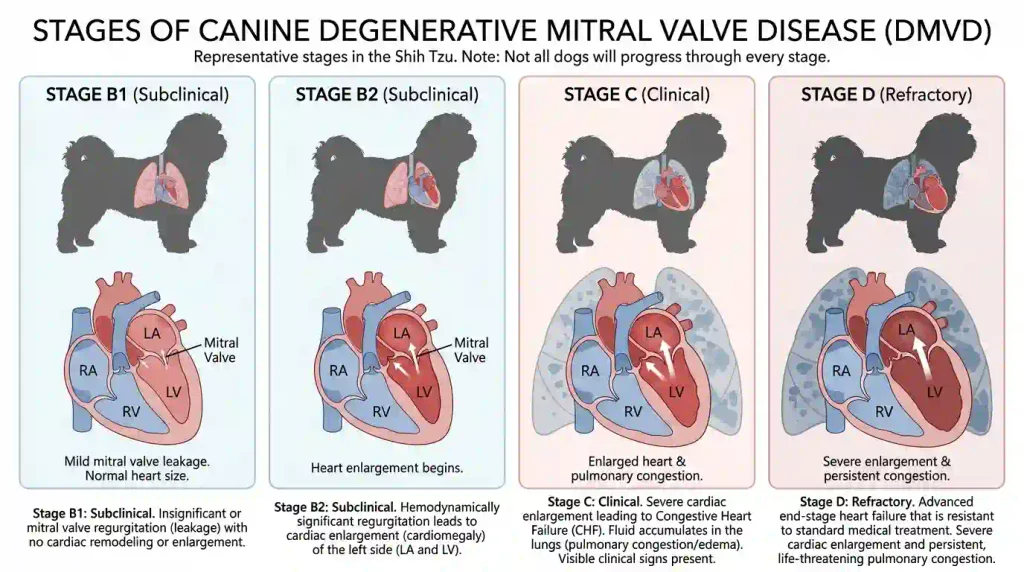
Veterinary cardiologists commonly use staging recommendations from the American College of Veterinary Internal Medicine.
The ACVIM consensus guidelines for myxomatous mitral valve disease describe how dogs are classified and managed according to their cardiac findings.
Stage A: Dogs at Risk
Stage A includes dogs considered at risk of developing MMVD but without identifiable structural disease.
These dogs do not have a diagnosed MMVD-related murmur or valve abnormality.
Routine examinations and appropriate health monitoring are generally recommended.
Stage B1: Heart Disease Without Significant Enlargement
Stage B1 dogs have structural mitral valve disease but no current or past signs of heart failure.
They may have no heart enlargement or mild enlargement that does not meet the criteria for Stage B2.
Routine cardiac medication is generally not recommended specifically to delay heart failure in this stage.
Periodic reassessment helps detect progression.
Stage B2: Heart Enlargement Without Heart Failure
Stage B2 dogs have asymptomatic mitral valve disease accompanied by sufficiently significant heart enlargement.
These dogs have not experienced clinical congestive heart failure.
Evidence supports prescribing pimobendan to appropriate Stage B2 patients to delay the onset of heart failure.
The classification requires specific diagnostic findings rather than murmur intensity alone.
Stage C: Congestive Heart Failure
Stage C describes dogs that currently have or previously experienced clinical heart failure caused by MMVD.
Signs may include pulmonary edema, rapid breathing, coughing, and exercise intolerance.
Treatment generally includes medication to control fluid accumulation and support cardiovascular function.
A dog remains classified as Stage C even when medication successfully controls its symptoms, apart from exceptional circumstances such as successful corrective surgery.
Stage D: Advanced or Refractory Heart Failure
Stage D refers to severe heart failure that becomes difficult to control with standard treatment.
Dogs may need specialized medication adjustments, frequent monitoring, or intensive supportive care.
The focus is often on controlling distressing symptoms while maintaining the best achievable quality of life.
5.6 How Mitral Valve Disease Can Lead to Congestive Heart Failure
As mitral regurgitation worsens, pressure within the left atrium can rise.
This increased pressure may be transmitted backward into the blood vessels serving the lungs.
When fluid begins leaking into lung tissue and air spaces, pulmonary edema develops.
Affected dogs may breathe rapidly, struggle to rest comfortably, or show increased respiratory effort.
This is why changes in sleeping respiratory rate can be a valuable early warning sign in dogs with known heart disease.
6. Shih Tzu Heart Murmur Grades: Understanding Severity
6.1 How Veterinarians Classify Heart Murmurs
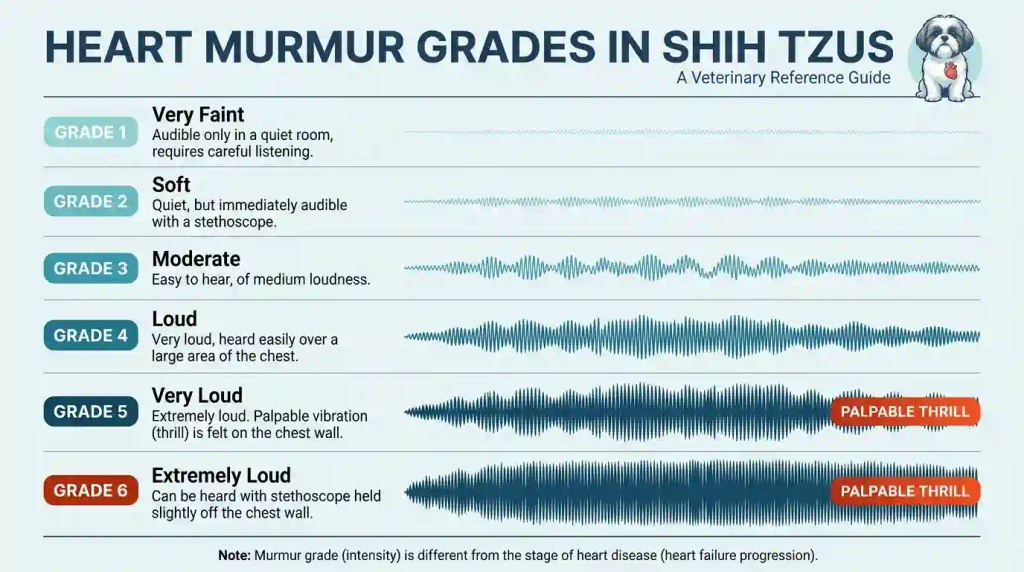
Veterinarians commonly grade heart murmurs on a six-point scale based on how loud they are during auscultation.
Grade 1 represents the faintest audible murmur, while Grade 6 represents an exceptionally loud murmur.
The grading system measures sound intensity, not the actual percentage of heart damage.
Timing, location, radiation, and whether a palpable chest vibration is present are additional important characteristics.
6.2 Grade 1 Heart Murmur in Shih Tzus
A Grade 1 murmur is extremely soft and may only be heard under quiet examination conditions.
It can occur with an innocent murmur or mild structural disease.
A Grade 1 finding should be interpreted alongside the dog’s age, symptoms, and examination results.
6.3 Grade 2 Heart Murmur in Shih Tzus
A Grade 2 murmur is soft but more readily audible than Grade 1.
Some dogs with Grade 2 murmurs have little or no significant heart disease, while others have early valve abnormalities.
Further assessment may be recommended, particularly in older dogs.
6.4 Grade 3 Heart Murmur in Shih Tzus
A Grade 3 murmur has moderate intensity and is readily heard with a stethoscope.
In an adult or senior Shih Tzu, it can raise suspicion of structural valve disease.
An echocardiogram can help establish whether heart enlargement or clinically important regurgitation is present.
6.5 Grade 4 Heart Murmur in Shih Tzus
A Grade 4 murmur is loud and generally radiates across a broader area of the chest.
There is no palpable thrill at this grade.
It warrants careful investigation, although the dog may still have no symptoms of congestive heart failure.
6.6 Grade 5 Heart Murmur in Shih Tzus
A Grade 5 murmur is very loud and accompanied by a palpable vibration over the chest, called a thrill.
This suggests substantial turbulence and often raises concern for significant structural disease.
However, specific diagnostic imaging is still required to identify the cause and assess its consequences.
6.7 Grade 6 Heart Murmur in Shih Tzus
A Grade 6 murmur is extremely loud, accompanied by a palpable thrill, and can remain audible when the stethoscope is lifted slightly away from the chest.
This finding requires veterinary cardiac evaluation.
It does not independently establish whether the dog has pulmonary edema, heart failure, or a particular life expectancy.
6.8 Does a Louder Heart Murmur Mean More Serious Heart Disease?
A louder murmur can indicate more significant abnormal blood flow, and murmur intensity often correlates with regurgitation severity in degenerative mitral valve disease.
However, the relationship is not exact.
Certain congenital defects may create loud murmurs despite relatively limited cardiovascular effects.
Conversely, some serious cardiac conditions may produce soft murmurs or no murmur at all.
6.9 Heart Murmur Grade vs. ACVIM Heart Disease Stage
The two systems measure different things.
Murmur grade describes the sound heard through the stethoscope.
ACVIM stage describes the structural disease, cardiac enlargement, and history of congestive heart failure.
Can a Shih Tzu Have a Grade 4 Murmur Without Heart Failure?
Yes. A dog can have a loud murmur caused by mitral regurgitation without having developed congestive heart failure.
That dog may be classified as Stage B1 or B2 depending on diagnostic findings.
The presence or absence of pulmonary edema and previous heart-failure episodes is especially important when distinguishing preclinical disease from Stage C.
Why Murmur Grade Alone Cannot Determine Treatment
Two Shih Tzus with the same murmur grade may have different heart chamber sizes and different treatment needs.
One might require monitoring without medication, while another might meet evidence-based criteria for pimobendan.
Diagnostic imaging, not murmur loudness alone, guides those decisions.
6.10 Heart Murmur Grades and Severity Comparison Chart
| Murmur grade | Typical sound | Palpable thrill | Clinical interpretation |
| Grade 1 | Extremely faint | No | May be innocent or associated with mild disease |
| Grade 2 | Soft but audible | No | Requires interpretation with other findings |
| Grade 3 | Moderately loud | No | Structural disease may be present |
| Grade 4 | Loud | No | Warrants careful cardiac assessment |
| Grade 5 | Very loud | Yes | Often associated with substantial turbulence |
| Grade 6 | Exceptionally loud | Yes | Requires thorough cardiac evaluation |
7. Signs and Symptoms of Heart Murmurs in Shih Tzus
7.1 Early Signs of Heart Problems
The earliest stage of heart disease may produce no noticeable symptoms.
Some owners first learn about a heart murmur during a routine vaccination or wellness appointment.
As cardiac disease advances, subtle changes may appear. A Shih Tzu might become less enthusiastic about walks, pause more frequently during play, or breathe faster while resting.
These changes can be easy to overlook because many dogs gradually adjust their activity.
7.2 Common Physical Symptoms of Heart Disease
Persistent Coughing
Coughing can occur in dogs with cardiac disease, particularly when congestive heart failure develops.
However, a cough is not specific to heart disease. Respiratory infections, airway inflammation, and other disorders are common alternative explanations.
Owners should pay attention to coughing frequency, duration, and accompanying breathing changes.
Our guide to shih tzu coughing explains other possible causes.
Rapid or Difficult Breathing
An increased sleeping respiratory rate can be an important warning sign of worsening heart disease.
Difficulty breathing may involve obvious abdominal effort, an extended neck, inability to lie comfortably, or persistent rapid breathing at rest.
Dogs experiencing significant respiratory distress need immediate veterinary care.
Fatigue and Reduced Exercise Tolerance
A Shih Tzu with cardiac disease may tire more quickly during familiar activities.
The dog might stop frequently on walks, avoid stairs, or become unusually inactive.
Nevertheless, exercise intolerance has many potential causes.
Painful spinal disease, including IVDD in Shih Tzu dogs, may also cause reluctance to move and requires a different diagnostic approach.
Weakness or Fainting
Fainting, medically called syncope, occurs when the brain temporarily receives insufficient blood flow or oxygen.
Certain cardiac arrhythmias and structural heart conditions can cause these episodes.
A fainting dog may suddenly collapse and then recover relatively quickly.
Any unexplained collapse requires prompt veterinary evaluation because neurological disorders and other medical problems can produce similar events.
Reduced Appetite and Weight Changes
Dogs with advanced cardiac disease may lose interest in food or develop weight loss.
Reduced appetite can also occur because of medication side effects or other illnesses.
Abdominal swelling may result from fluid retention in some cardiac conditions.
However, abdominal changes do not always indicate heart disease. Digestive concerns such as those discussed in my shih tzu is constipated can produce different forms of discomfort or straining.
7.3 Behavioral Changes Associated With Heart Problems
Some Shih Tzus become restless, sleep in unusual positions, or avoid previously enjoyable activities.
A dog struggling to breathe may prefer sitting upright rather than lying on its side.
Changes in behavior should always be interpreted carefully.
For example, repeated head shaking or ear scratching is more suggestive of conditions such as a shih tzu ear infection or shih tzu ear mites than a heart murmur.
Similarly, scooting and discomfort around the tail may involve Shih Tzu anal glands rather than cardiac disease.
7.4 Can a Shih Tzu Have a Heart Murmur Without Symptoms?
Yes. Many dogs with early degenerative mitral valve disease behave normally.
They may eat well, enjoy walks, play, and sleep comfortably despite having an audible murmur.
This is why veterinary examinations are important even when a Shih Tzu appears healthy.
7.5 Advanced Symptoms of Congestive Heart Failure
Shih Tzu congestive heart failure symptoms can include persistent rapid breathing, breathing difficulty, coughing, weakness, and decreased activity.
Left-sided congestive heart failure commonly causes pulmonary edema.
Right-sided heart failure may produce fluid retention in the abdomen, called ascites, although left-sided problems are more typical of advanced mitral valve disease.
Some dogs experience worsening appetite, weight loss, or extreme tiredness.
7.6 Emergency Warning Signs That Require Immediate Veterinary Care
Seek emergency veterinary care if your Shih Tzu develops severe breathing difficulty, blue or gray gums, collapse, or marked distress.
Other concerning signs include breathing rapidly while using pronounced abdominal effort, coughing up frothy fluid, or being unable to lie down because of breathlessness.
Do not wait for an ordinary appointment when these symptoms are present.
7.7 Emergency Action Plan for a Shih Tzu With Heart Disease
What to Do if Your Shih Tzu Suddenly Struggles to Breathe
Keep your dog as calm as possible and minimize unnecessary handling.
Move to a comfortable, well-ventilated environment and contact an emergency veterinary hospital immediately.
Allow your dog to remain in whichever position makes breathing easiest.
Do not force food, water, or oral medication into a dog experiencing severe respiratory distress.
What to Do After Fainting or Collapse
Check whether your dog is breathing and responsive.
Arrange urgent veterinary assessment even if the dog appears to recover.
If the collapse is ongoing, breathing is absent, or the dog is unresponsive, follow emergency instructions provided by a veterinary professional.
Do not assume a collapse is harmless simply because it lasts only a few seconds.
What Information to Give an Emergency Veterinarian
Provide your dog’s age, known cardiac diagnosis, current medications, recent breathing changes, and the timing of symptoms.
If it can be done safely without delaying transport, a short video of abnormal breathing or a collapse may help the veterinarian.
How to Prepare for an Emergency Hospital Visit
Know the location and telephone number of a nearby 24-hour emergency veterinary facility.
Keep medication information and previous cardiology reports accessible.
A small carrier, supportive towel, and vehicle with comfortable temperature control can help with transportation.

8. Shih Tzu Heart Murmur vs. Common Breathing Problems
8.1 Heart Disease vs. Brachycephalic Obstructive Airway Syndrome (BOAS)
Shih Tzus have short muzzles and may develop brachycephalic obstructive airway syndrome.
BOAS involves restricted airflow caused by anatomical features such as narrowed nostrils or an elongated soft palate.
Affected dogs may snore, breathe noisily, struggle in hot weather, or tire during exercise.
These symptoms can overlap with cardiac problems.
Our guide to shih-tzu breathing problems explores these breed-related respiratory concerns in greater detail.
8.2 Heart-Related Coughing vs. Tracheal or Bronchial Problems
A Shih Tzu’s cough may result from respiratory infection, chronic bronchitis, airway collapse, or other pulmonary conditions.
Cardiac disease can also be associated with coughing, especially after congestive heart failure develops.
However, coughing alone cannot reliably distinguish cardiac disease from respiratory disease.
Some dogs also develop respiratory signs associated with shih tzu allergies, although allergies are not a typical cause of heart murmurs.
8.3 Reverse Sneezing, Snoring, and Noisy Breathing
Reverse sneezing involves sudden repeated inhalation attempts that create a snorting sound.
Snoring and noisy breathing are frequently associated with upper-airway anatomy.
These noises are different from a heart murmur, which is heard internally using a stethoscope.
Nevertheless, persistent, worsening, or distressing breathing episodes require veterinary evaluation.
8.4 Why a Shih Tzu Can Have Both Heart and Airway Disease
An older Shih Tzu may have degenerative valve disease and a separate airway disorder at the same time.
This makes diagnosis more complicated because exercise intolerance, coughing, and abnormal breathing can have multiple contributing causes.
Treating cardiac disease alone may not resolve symptoms caused primarily by airway obstruction.
Similarly, assuming every breathing problem is related to the dog’s short muzzle may delay recognition of congestive heart failure.
8.5 How Veterinarians Identify the Cause of Breathing Symptoms
Veterinarians consider the dog’s history, breathing pattern, lung sounds, heart murmur characteristics, and physical examination.
Chest X-rays can help identify pulmonary edema, airway abnormalities, or other respiratory conditions.
An echocardiogram helps evaluate cardiac disease.
Additional respiratory investigations may be needed when the symptoms cannot be explained by the cardiac findings alone.
9. Heart Murmurs in Shih Tzus by Age
9.1 Heart Murmurs in Shih Tzu Puppies
A heart murmur discovered in a puppy needs careful interpretation.
Some are innocent and disappear naturally. Others indicate congenital abnormalities that require early treatment.
Innocent Puppy Heart Murmurs
Innocent murmurs are usually soft and are not associated with structural cardiac disease.
They may disappear as puppies mature, often by approximately six months of age.
A veterinarian should determine whether monitoring is sufficient or further testing is necessary.
Congenital Heart Defects in Puppies
Congenital defects may include PDA, pulmonic stenosis, or abnormalities affecting the heart valves.
Signs can include poor growth, reduced activity, difficulty breathing, or fainting, although some puppies appear healthy.
Early diagnosis is important because certain congenital defects can be corrected or managed more effectively before severe complications develop.
For owners considering breeding, understanding How many puppies can a Shih Tzu have is useful general reproductive information, but it does not replace veterinary screening for hereditary cardiac conditions.
Can a Puppy Outgrow a Heart Murmur?
A puppy may outgrow an innocent murmur, but structural heart defects do not necessarily resolve as the dog matures.
A persistent, loud, diastolic, or otherwise concerning murmur should be investigated rather than assumed harmless.
9.2 Heart Murmurs in Adult Shih Tzus
Adult Shih Tzus can develop acquired valve disease even when they previously had normal cardiac examinations.
A newly detected murmur should prompt consideration of the dog’s age, clinical history, and potential diagnostic testing.
Early identification can establish a useful reference point for future monitoring.
9.3 Heart Murmurs in Senior Shih Tzus
Degenerative mitral valve disease becomes an increasingly important concern as Shih Tzus age.
A senior dog may develop a murmur before showing coughing, breathing changes, or exercise intolerance.
Regular examinations and appropriate testing help distinguish stable disease from progression.
9.4 Age-Related Changes in Heart Disease Risk
Aging can affect the heart valves, blood vessels, and overall cardiovascular reserve.
However, old age does not automatically mean a heart murmur is severe.
The prognosis of a senior Shih Tzu depends on the diagnosed cardiac condition, its stage, and other health problems rather than age alone.
10. Diagnosing a Heart Murmur in Shih Tzus
10.1 Initial Veterinary Examination
Diagnosis begins with a physical examination and review of the dog’s medical history.
The veterinarian may assess heart rate, rhythm, pulses, breathing effort, gum color, body condition, and lung sounds.
The examination also helps identify other diseases that could explain fatigue or respiratory symptoms.
10.2 Listening to the Heart With a Stethoscope
Cardiac auscultation allows a veterinarian to detect additional sounds during the cardiac cycle.
The location and characteristics of the murmur provide clues about the likely source.
However, a stethoscope cannot directly show heart valve structure or chamber enlargement.
10.3 Understanding Heart Murmur Location, Timing, and Intensity
Veterinarians may describe the point of maximal intensity, meaning the area where the murmur is loudest.
A left apical systolic murmur is commonly associated with mitral regurgitation.
A diastolic or continuous murmur may suggest a different underlying mechanism.
These observations guide the next diagnostic steps but do not replace an echocardiogram when structural disease needs clarification.
10.4 Diagnostic Tests for Heart Murmurs
Echocardiogram (Heart Ultrasound)
An echocardiogram uses ultrasound to examine the heart’s structure and movement.
It can assess valve thickening, regurgitation, chamber dimensions, and heart muscle function.
Doppler echocardiography evaluates blood flow direction and velocity.
This makes cardiac ultrasound especially valuable for identifying the cause and stage of mitral valve disease.
Chest X-Rays
Thoracic radiographs show the heart’s outline and surrounding lung structures.
They may help identify cardiac enlargement, pulmonary edema, or alternative causes of respiratory symptoms.
Veterinarians sometimes use measurements such as vertebral heart score to assess cardiac size.
However, radiographic findings must be interpreted in relation to breed and body shape.
Electrocardiogram (ECG)
An ECG records the heart’s electrical activity.
It is useful for evaluating abnormal rhythms, including certain tachycardias and other arrhythmias.
A Holter monitor may be recommended when intermittent rhythm abnormalities are suspected but not captured during a brief examination.
Blood Tests and Cardiac Biomarkers
Blood testing can help identify anemia, kidney problems, electrolyte disturbances, and other conditions affecting treatment decisions.
Cardiac biomarkers such as NT-proBNP may provide additional information when heart disease or cardiac strain is suspected.
No single blood test can fully replace imaging for diagnosing degenerative mitral valve disease.
10.5 Understanding Your Shih Tzu’s Heart Test Results
What Does an Enlarged Heart Mean on an X-Ray?
Heart enlargement may indicate that one or more cardiac chambers have adapted to increased pressure or blood volume.
For example, chronic mitral regurgitation can enlarge the left atrium and left ventricle.
However, chest X-rays alone cannot precisely identify every structural abnormality.
Understanding LA/Ao and LVIDDN Measurements
The LA/Ao ratio compares the left atrium with the aorta on a specific echocardiographic view.
LVIDDN describes the left ventricular internal diameter during diastole after adjustment for body size.
These measurements help assess cardiac enlargement.
In dogs being evaluated for ACVIM Stage B2 MMVD, commonly referenced criteria include an LA/Ao ratio of at least 1.6 and an LVIDDN of at least 1.7, alongside other qualifying findings.
These thresholds are not meant for owners to apply independently without the full clinical context.
What Does NT-proBNP Tell Your Veterinarian?
NT-proBNP is a biomarker released in association with myocardial wall stress.
Elevated values may support suspicion of cardiac disease, depending on the clinical circumstances.
Kidney function, other illnesses, and the specific test used can affect interpretation.
It is best considered a supporting tool rather than a standalone diagnosis.
How Echocardiogram Results Affect Treatment Decisions
Echocardiography helps determine whether a Shih Tzu has significant valve leakage, cardiac enlargement, or impaired ventricular function.
These findings can distinguish early disease requiring monitoring from more advanced preclinical disease that may benefit from medication.
They also help veterinarians assess disease progression over time.
10.6 How Veterinarians Identify the Underlying Cause
The final diagnosis combines clinical examination with appropriate testing.
A murmur in an older dog with thickened mitral valve leaflets suggests a different condition from a continuous murmur in a young puppy.
Likewise, a dog with anemia may have a functional murmur despite having structurally normal heart valves.
Identifying the actual cause prevents inappropriate treatment.
10.7 When to Consult a Veterinary Cardiologist
A cardiology referral may be especially useful when the murmur is newly discovered, loud, associated with symptoms, or difficult to explain.
Referral is also helpful when advanced imaging, congenital defect assessment, or specialized treatment is needed.
Owners may seek a cardiologist to clarify staging and long-term management even when the dog currently feels well.
10.8 Importance of Early Diagnosis and Routine Heart Screening
Regular veterinary examinations help identify changes before obvious symptoms develop.
Early testing can establish the dog’s baseline heart size and valve function.
For dogs with known disease, comparisons between examinations may reveal progression that would otherwise be missed.
10.9 Shih Tzu Heart Disease Monitoring Schedule by Stage
Follow-up intervals depend on disease severity, previous imaging, medications, and clinical stability.
Follow-Up Testing for Stage B1
For Stage B1 MMVD, veterinary guidelines commonly suggest repeat echocardiography, or radiography when appropriate, after approximately 6–12 months.
The actual schedule may be shorter when findings or symptoms justify closer monitoring.
Monitoring Requirements for Stage B2
Dogs with Stage B2 disease generally require ongoing cardiac reassessment and monitoring for possible heart failure.
A veterinarian may recommend repeat imaging at intervals suited to the individual dog’s progression and treatment plan.
Follow-Up Care for Dogs With Congestive Heart Failure
Stage C dogs often need more frequent evaluations, especially after hospitalization or medication changes.
Monitoring may include respiratory rate, body weight, appetite, kidney function, and electrolytes.
When Should an Echocardiogram Be Repeated?
An echocardiogram may be repeated when the veterinarian expects it to influence management.
New symptoms, changes in murmur characteristics, disease progression, or uncertainty about cardiac enlargement can justify reassessment.
There is no universal testing schedule that fits every Shih Tzu.
11. Treatment Options for Shih Tzu Heart Murmurs
11.1 Does Every Heart Murmur Require Treatment?
No. Treatment depends on the medical condition causing the murmur.
A healthy puppy with a confirmed innocent murmur may need only monitoring.
A Shih Tzu with early Stage B1 degenerative mitral valve disease generally does not require routine medication specifically to delay heart failure.
Dogs with qualifying Stage B2 disease or established congestive heart failure may benefit from medical treatment.
11.2 Treating the Underlying Heart Condition
The goal is not simply to eliminate the murmur sound.
Treatment aims to manage the disease responsible for abnormal blood flow, reduce complications, and protect quality of life.
Options may include cardiac medication, treatment of an underlying systemic illness, or correction of certain congenital defects.
11.3 Medications Used for Canine Heart Disease
Pimobendan
Pimobendan improves cardiac contractility and has blood-vessel-dilating effects.
It is commonly prescribed for dogs with qualifying Stage B2 MMVD and for many dogs being treated for congestive heart failure.
Its use depends on the diagnosed condition, since it is not appropriate for every cause of a heart murmur.
Diuretics
Diuretics help remove excess fluid from the body.
Furosemide is commonly used when pulmonary edema develops because of congestive heart failure.
Torsemide may be considered in selected cases requiring an alternative approach.
Diuretics can affect hydration, kidney function, and electrolyte balance, making veterinary monitoring important.
ACE Inhibitors
Angiotensin-converting enzyme inhibitors, such as enalapril and benazepril, affect hormonal pathways involved in blood pressure and fluid regulation.
They are used in selected dogs with cardiac disease, particularly as part of certain heart-failure treatment plans.
Their role in earlier preclinical disease is less established and should be decided individually.
Other Cardiac Medications
Spironolactone may be included in certain congestive heart failure regimens.
Antiarrhythmic medications may be prescribed if a clinically important heart rhythm disorder is present.
Beta-blockers, including atenolol, and calcium channel blockers may be appropriate for specific cardiac conditions, but they are not routine treatments for all Shih Tzu heart murmurs.
11.4 Heart Medication Side Effects and Safety Precautions
Common Side Effects Owners Should Watch For
Medication side effects can include reduced appetite, vomiting, gastrointestinal upset, weakness, or changes in drinking and urination.
Some of these symptoms may also indicate worsening heart disease or another illness.
For example, Shih Tzu diarrhea has many potential causes and should not automatically be attributed to a cardiac prescription.
Monitoring Kidney Function and Electrolytes
Diuretics and certain cardiovascular medications can influence kidney function and electrolyte balance.
Veterinarians may recommend blood testing after starting treatment or adjusting doses.
This is particularly important for dogs taking multiple medications or those with underlying kidney disease.
What to Do if Your Shih Tzu Misses a Medication Dose
Follow the instructions provided by your veterinarian or pharmacist for that specific medication.
Do not automatically double the next dose.
If the medication is essential to controlling active congestive heart failure, contact the veterinary team promptly for advice.
Medication Interactions and Drugs to Discuss With Your Vet
Tell your veterinarian about every prescription, over-the-counter medication, supplement, and herbal product your dog receives.
Some drugs may affect blood pressure, hydration, kidney function, or heart rhythm.
Never add a new medication without considering possible interactions.
Why Heart Medication Should Not Be Stopped Without Veterinary Advice
Suddenly stopping treatment can allow fluid accumulation or other cardiac problems to worsen.
Even when a dog looks healthy, medication may be controlling an underlying condition.
Changes should be made through the veterinarian responsible for the treatment plan.
11.5 Treatment for Congenital Heart Defects
Treatment varies according to the abnormality.
Some cases of PDA can be corrected by catheter-based closure or surgery.
Selected dogs with pulmonic stenosis may benefit from balloon valvuloplasty.
Other defects require individualized medical management or specialized surgery.
Early referral is particularly valuable when a potentially correctable defect is identified.
11.6 Managing Congestive Heart Failure
Shih Tzu heart failure treatment aims to relieve fluid buildup, improve breathing, and support circulation.
Dogs with acute pulmonary edema may require hospitalization, oxygen supplementation, and injectable medication.
After stabilization, long-term treatment commonly involves oral cardiac medications and home monitoring.
Owners should understand that controlled heart failure is not the same as cured heart disease.
11.7 Lifestyle Adjustments During Treatment
Treatment is often most successful when medication is combined with appropriate daily care.
Dogs may benefit from gentle activity, weight management, comfortable temperatures, and careful observation of breathing.
Exercise restrictions should reflect the dog’s stage and symptoms rather than being imposed universally.
11.8 Cost of Diagnosing and Treating Heart Murmurs
Costs vary widely across the United States.
An initial examination may be relatively inexpensive compared with specialist echocardiography, repeated imaging, emergency hospitalization, or advanced cardiac procedures.
Long-term expenses may include prescription medications, laboratory monitoring, and follow-up appointments.
Owners can request written estimates and ask which tests are most important for immediate decision-making.
Pet insurance coverage depends on the policy, waiting periods, and whether the condition is considered pre-existing.
11.9 Long-Term Veterinary Follow-Up and Medication Monitoring
Dogs receiving cardiac treatment need periodic assessment of symptoms, treatment response, and possible adverse effects.
Veterinarians may adjust medications when breathing changes, fluid retention returns, or laboratory results indicate complications.
Maintaining a consistent medication schedule and detailed home observations makes these decisions easier.
12. Caring for a Shih Tzu With a Heart Murmur at Home
12.1 Daily Care and Management
Home care begins with understanding your Shih Tzu’s actual diagnosis.
A dog with a stable Grade 2 murmur and no significant structural disease may have different needs from one recovering from congestive heart failure.
Provide appropriate food, fresh water, comfortable bedding, and exercise suited to the dog’s condition.
Never restrict drinking water simply because the dog has heart disease unless a veterinarian gives a specific medical instruction.
12.2 Monitoring Heart Disease Symptoms at Home
Tracking Sleeping Respiratory Rate
Sleeping respiratory rate is one of the most useful observations owners can make.
Many healthy or stable dogs breathe fewer than approximately 30–35 times per minute while comfortably asleep.
A persistent increase above the dog’s established baseline, especially toward or above 30–35 breaths per minute, warrants a discussion with the veterinarian.
Pronounced breathing effort or significant respiratory distress requires urgent assessment regardless of the number counted.
Monitoring Activity Levels and Fatigue
Observe whether your dog can complete familiar walks without unusual fatigue.
Changes in playfulness, climbing stairs, appetite, and sleeping behavior may help identify a developing problem.
Record patterns rather than relying on isolated observations.
Recognizing Changes That Need Veterinary Attention
Contact your veterinarian if you notice repeated faster sleeping breathing, worsening cough, reduced appetite, fainting episodes, or a new inability to tolerate normal activity.
For severe breathing difficulty or collapse, seek emergency care rather than waiting for a routine consultation.
12.3 Diet and Nutrition for Shih Tzus With Heart Disease
A balanced diet that maintains healthy body weight and adequate muscle mass is important.
Nutritional recommendations vary by cardiac diagnosis and stage.
Hidden Sodium in Treats, Chews, and Table Scraps
Processed meats, salty snacks, and some commercial treats contain substantial sodium.
Dogs requiring sodium restriction may need their treats reviewed as carefully as their main diet.
Avoid offering salty human foods as routine rewards.
When Is a Low-Sodium Diet Necessary?
Strict sodium restriction is not appropriate for every dog with a murmur.
For dogs with certain stages of cardiac disease, veterinarians may recommend controlled sodium intake.
Excessive restriction can reduce palatability and food intake, which is particularly concerning for dogs already losing weight.
Are Fish Oil, Taurine, and CoQ10 Supplements Helpful?
Omega-3 fatty acids may provide benefits in selected dogs with cardiac disease, particularly when nutritional support is required.
Taurine supplementation is relevant to certain forms of nutritional deficiency or cardiomyopathy, but it is not a proven cure for degenerative mitral valve disease.
Evidence supporting CoQ10 as a routine treatment for canine valve disease remains limited.
Discuss supplements with your veterinarian rather than introducing them independently.
Why Homemade Heart Diets Require Nutritional Guidance
Homemade diets can be deficient in essential nutrients when they are not professionally formulated.
A board-certified veterinary nutritionist can help develop an appropriate diet when specialized feeding is necessary.
Avoid assuming that homemade food or a grain-free diet is automatically healthier for a dog with cardiac disease.
12.4 Safe Exercise and Physical Activity
Is Walking Safe for a Shih Tzu With a Heart Murmur?
Many Shih Tzus with mild or stable heart disease can continue enjoying gentle walks.
The appropriate duration and intensity depend on the diagnosis and functional condition.
Dogs with active congestive heart failure or breathing difficulty need veterinary guidance before returning to exercise.
How Hot Weather and Humidity Affect Breathing
Hot or humid weather increases the need for panting.
Because Shih Tzus are brachycephalic, they may have greater difficulty cooling themselves efficiently.
Choose cooler times of day for outdoor activity and avoid strenuous exercise in high temperatures.
Why a Harness May Be Better Than a Neck Collar
A well-fitting harness can help reduce direct pressure on the neck and upper airway.
This may be particularly useful for Shih Tzus with respiratory sensitivity or coughing.
Choose a comfortable design that does not restrict shoulder movement or breathing.
Recognizing Exercise Intolerance Before Overexertion
Stop activity if your dog begins breathing excessively, slows unusually, appears weak, or shows discomfort.
Allow appropriate rest and monitor recovery.
Persistent breathing difficulty after exercise requires urgent veterinary attention.
12.5 Reducing Stress and Maintaining Comfort
A calm daily routine can support a Shih Tzu with chronic health problems.
Provide a comfortable resting area, avoid overheating, and maintain a predictable medication schedule.
Short, gentle interactions may be preferable to prolonged physically demanding play when stamina is reduced.
12.6 Supporting Quality of Life With Heart Disease
Quality of life is about more than laboratory results or the loudness of a murmur.
A comfortable Shih Tzu should ideally be able to rest peacefully, enjoy appropriate interaction, eat adequately, and participate in activities suited to its abilities.
Work with your veterinarian to adjust care as the disease changes.
12.7 Shih Tzu Heart Health Monitoring Checklist
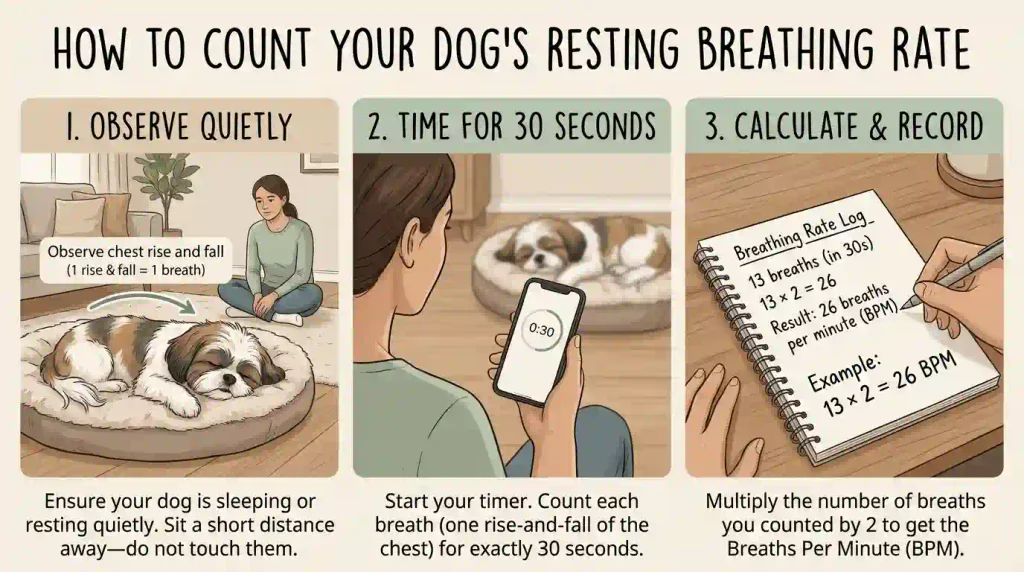
How to Count Sleeping Respiratory Rate Step by Step
Wait until your Shih Tzu is asleep or resting quietly without panting.
Observe the chest rising and falling.
Count each complete breath for 60 seconds, or count for 30 seconds and multiply by two.
Record the result and compare it with the dog’s normal pattern.
For example, 13 breaths counted in 30 seconds equals 26 breaths per minute.
Daily Breathing, Appetite, and Activity Tracking Sheet
| Observation | What to Record |
| Date | Day of observation |
| Sleeping respiratory rate | Breaths per minute |
| Breathing effort | Normal, mildly increased, or labored |
| Coughing | None, occasional, or frequent |
| Appetite | Normal, reduced, or absent |
| Activity | Normal, reduced, or severely limited |
| Medication | Given as prescribed or issue noted |
| Additional symptoms | Weakness, fainting, vomiting, or other changes |
Medication and Veterinary Appointment Log
Maintain a written or digital record of medication names, prescribed schedules, veterinary appointments, and test results.
Record changes made by the veterinarian, particularly when multiple medications are involved.
This information can be especially valuable during an emergency hospital visit.
When a Change From Your Dog’s Baseline Needs Attention
A consistent upward trend in sleeping respiratory rate may be more meaningful than a single isolated measurement.
Contact the veterinary team when measurements repeatedly exceed the dog’s usual range or when new symptoms occur.
Never use a breathing-rate chart as a reason to delay emergency treatment when your dog is visibly struggling to breathe.
13. Shih Tzu Heart Murmur Prognosis and Life Expectancy
13.1 How Long Can a Shih Tzu Live With a Heart Murmur?
A Shih Tzu with a heart murmur may live for many years, and some dogs have a normal lifespan.
Others develop progressive heart disease that eventually requires medication or intensive management.
There is no reliable way to predict an individual dog’s lifespan from murmur grade alone.
The underlying diagnosis and stage of disease are much more informative.
13.2 Factors That Affect Life Expectancy
Important factors include the cause of the murmur, extent of cardiac enlargement, presence of congestive heart failure, and response to treatment.
Age, kidney function, other medical conditions, and heart rhythm abnormalities also influence prognosis.
Consistent monitoring helps detect clinically important changes.
13.3 Life Expectancy With Mitral Valve Disease
The course of MMVD is variable.
Some dogs remain in the preclinical stage for years without developing heart failure.
In qualifying Stage B2 dogs, evidence from clinical trials shows that pimobendan can delay the development of congestive heart failure.
However, the results of a clinical trial describe population averages, not a guaranteed outcome for an individual Shih Tzu.
13.4 Prognosis After Congestive Heart Failure Develops
Once heart failure develops, long-term management becomes more complex.
Some dogs respond well to treatment and enjoy substantial periods of comfortable daily life.
Others experience recurring fluid accumulation or progressive complications.
The prognosis depends on disease severity, treatment response, and concurrent illnesses.
13.5 Can Heart Disease Progress Even With Treatment?
Yes. Most medication used for degenerative mitral valve disease manages consequences of the condition rather than reversing the valve degeneration itself.
A dog may initially improve and later require treatment adjustments.
Regular reassessment helps manage progression and recognize complications.
13.6 End-of-Life Care for Shih Tzus With Advanced Heart Disease
Advanced heart failure can eventually become difficult to control.
Veterinary palliative care may focus on easing breathlessness, maintaining comfort, managing anxiety, and helping the dog rest peacefully.
Owners should discuss emergency plans and realistic treatment goals before a crisis occurs.
Our guide to Shih Tzu Signs of Death explores broader end-of-life changes, although those signs are not specific to cardiac disease.
When suffering cannot be adequately relieved, humane euthanasia may be discussed with a veterinarian.
13.7 Assessing Quality of Life and Recognizing Decline
Quality-of-life assessments consider comfort, appetite, hydration, hygiene, mobility, interaction, and the balance between good and difficult days.
The HHHHHMM framework is sometimes used to organize these observations.
However, no scoring system can replace an individual veterinary assessment.
Severe respiratory distress is an emergency even if other aspects of quality of life still appear acceptable.
14. Preventing Heart Problems and Protecting Your Shih Tzu’s Heart Health
14.1 Can Heart Murmurs Be Prevented?
Not all heart murmurs can be prevented.
Congenital abnormalities and degenerative mitral valve disease may occur despite attentive care.
However, appropriate preventive medicine, good nutrition, regular examinations, and timely diagnosis can support overall cardiovascular health.
14.2 Routine Veterinary Checkups and Early Detection
Routine wellness visits allow veterinarians to listen for changes in heart sounds and assess general health.
Senior Shih Tzus may benefit from more frequent examinations depending on their individual medical needs.
Early detection does not guarantee prevention of heart failure, but it can improve monitoring and guide evidence-based treatment decisions.
14.3 Maintaining a Healthy Weight and Active Lifestyle
Maintaining an appropriate body condition reduces unnecessary physical strain.
Gentle exercise can support mobility and muscle health when the dog is stable enough for activity.
Avoid obesity, but also recognize that unintentional weight loss or muscle wasting may be a concern in dogs with advanced cardiac disease.
14.4 Managing Other Health Conditions That Affect the Heart
Whole-body health matters because several conditions can affect a Shih Tzu’s comfort, stamina, and treatment tolerance.
For example, Shih Tzu losing hair may indicate skin or endocrine problems that require separate evaluation.
Similarly, Shih Tzu Skin Cancer requires its own diagnostic approach and should not be confused with cardiac symptoms.
Owners may also notice unrelated issues such as Shih Tzu Eye Discharge or other Shih Tzu Eye problems.
These conditions do not directly explain a heart murmur, but identifying them helps avoid overlooking other important health needs.
Our broader guide to Shih Tzu health issues explains common breed-related medical concerns.
14.5 Long-Term Heart Health Monitoring
The most useful long-term strategy is consistent veterinary care supported by informed home observations.
Keep records of previous diagnoses, echocardiograms, medications, and respiratory-rate measurements.
Discuss new symptoms early, and follow the monitoring schedule appropriate for your dog’s specific condition.
15. Common Myths About Shih Tzu Heart Murmurs
15.1 Myth: Every Heart Murmur Means Heart Failure
A heart murmur is not the same as congestive heart failure.
Some dogs have innocent murmurs, and others have structural heart disease without any clinical signs of failure.
15.2 Myth: A Grade 1 Murmur Never Needs Investigation
A Grade 1 murmur is very soft, but its significance depends on the dog’s age and circumstances.
A faint murmur does not automatically rule out important cardiac disease.
15.3 Myth: Every Dog With a Murmur Needs Heart Medication
Medication is prescribed according to the underlying diagnosis and disease stage.
Some dogs require monitoring without treatment.
15.4 Myth: Dogs With Heart Murmurs Should Never Exercise
Many dogs with stable, early-stage disease can remain physically active.
Exercise should be adjusted according to their symptoms, diagnosis, and veterinary recommendations.
15.5 Myth: Natural Supplements Can Cure a Heart Murmur
No supplement has been proven to cure degenerative mitral valve disease.
Nutritional supplements may have a limited supportive role in selected conditions, but they do not replace evidence-based veterinary care.
16. Frequently Asked Questions About Shih Tzu Heart Murmurs
16.1 Can a Shih Tzu Die From a Heart Murmur?
A murmur itself is not fatal, but the underlying cardiac disease can sometimes progress to life-threatening complications.
16.2 Can a Heart Murmur Go Away on Its Own?
Innocent puppy murmurs may disappear, but murmurs caused by degenerative valve disease usually do not resolve spontaneously.
16.3 Is a Heart Murmur the Same as Heart Failure?
No. A murmur is an abnormal sound, while heart failure is a clinical condition in which cardiac dysfunction causes serious circulatory consequences.
16.4 Can a Shih Tzu With a Heart Murmur Undergo Surgery or Anesthesia?
Yes, some can, but the anesthetic plan must reflect the dog’s cardiac diagnosis and overall health.
What Cardiac Checks Are Needed Before Anesthesia?
A veterinarian may recommend examination, blood testing, blood pressure assessment, ECG, or echocardiography depending on the dog’s risk.
Can a Shih Tzu With a Heart Murmur Have Dental Cleaning?
Yes, when the veterinarian determines that the dog can safely undergo an appropriately planned and monitored anesthetic procedure.
16.5 How Can Owners Maintain Dental Health Between Vet Visits?
Regular tooth brushing and veterinarian-approved dental care help reduce oral disease between professional examinations.
16.6 How Often Should a Shih Tzu With a Heart Murmur Visit the Vet?
The schedule depends on the diagnosis and stage; some dogs need periodic checks every 6–12 months, while advanced cases require more frequent care.
16.7 Can Heart Murmurs Be Hereditary in Shih Tzus?
Some congenital cardiac defects and predispositions to heart disease have inherited components, although not every murmur is hereditary.
16.8 What Questions Should I Ask My Vet About My Shih Tzu’s Heart Murmur?
Ask about the underlying cause, murmur grade, cardiac stage, recommended tests, treatment needs, monitoring schedule, and emergency warning signs.
17. Final Thoughts on Shih Tzu Heart Murmurs
17.1 Key Takeaways for Shih Tzu Owners
A Shih Tzu heart murmur can be an innocent finding or an early indication of significant cardiac disease. What matters most is understanding the underlying cause, recognizing symptoms, and determining whether the heart has developed structural changes or congestive heart failure.
Many Shih Tzus with heart murmurs continue living happy, comfortable lives, particularly when their condition is identified early and monitored appropriately. Veterinary examinations, echocardiography, evidence-based medication when indicated, and simple home observations such as sleeping respiratory rate can make a meaningful difference in long-term care.
17.2 When to Seek Veterinary Advice
If your Shih Tzu has recently been diagnosed with a murmur, arrange a veterinary assessment to clarify its cause and stage. Monitor changes in breathing, coughing, stamina, and appetite, and follow the recommended care plan.
Most importantly, never ignore severe breathing difficulty, blue gums, or collapse. These signs require immediate emergency veterinary attention.