
Shih Tzu Ear Infection: Signs, Causes, and Treatment
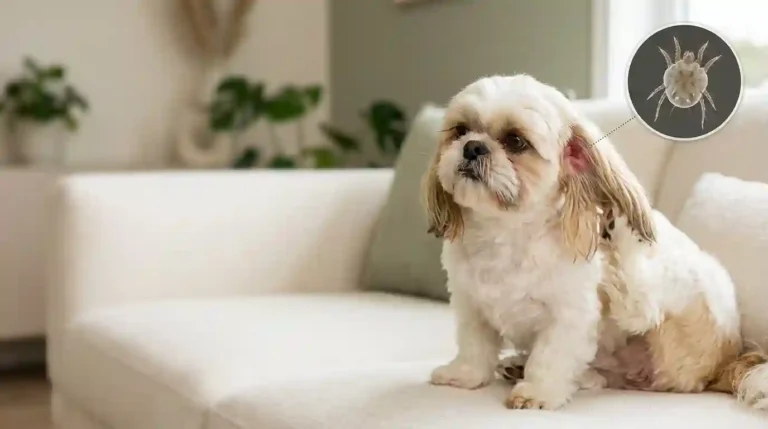
A Shih Tzu ear infection can cause persistent head shaking, ear scratching, redness, unpleasant odors, discharge, and noticeable discomfort. Because Shih Tzus have floppy, heavily coated ears and may develop allergies or moisture-related skin problems, they can be susceptible to inflammation and infections affecting their ear canals. The most common infectious causes involve yeast or bacteria, although ear mites, trapped moisture, foreign objects, and underlying allergic disease may also contribute. Some infections develop suddenly, while others repeatedly return because the original cause has not been addressed. If your Shih Tzu keeps scratching its ears, shaking its head, or producing dark or foul-smelling discharge, schedule a veterinary examination rather than relying on home remedies. A veterinarian can examine the ear canal, check the eardrum, identify yeast or bacteria through microscopic testing, and recommend appropriate treatment. This guide explains how to recognize ear infection symptoms, understand the causes, compare treatment options, clean your dog’s ears safely, and prevent recurring problems.
Important: Severe ear pain, sudden head tilting, loss of balance, difficulty walking, or facial paralysis requires urgent veterinary attention. These symptoms may indicate middle or inner ear involvement or another serious neurological condition.
Table of Contents
- What Is an Ear Infection in a Shih Tzu?
- What Healthy Shih Tzu Ears Look and Smell Like
- Why Shih Tzus Are Prone to Ear Infections
- Shih Tzu Ear Infection Symptoms
- What Causes Shih Tzu Ear Infections?
- When Is a Shih Tzu Ear Infection an Emergency?
- How Veterinarians Diagnose Ear Infections
- How Shih Tzu Ear Infections Are Treated
- Why Ear Infections Can Return After Treatment
- How to Clean and Care for Shih Tzu Ears
- Preventing Recurring Ear Infections
- What Does Shih Tzu Ear Infection Treatment Cost?
- Frequently Asked Questions
- Final Thoughts
What Is an Ear Infection in a Shih Tzu?
An ear infection in a Shih Tzu occurs when microorganisms such as bacteria or yeast multiply excessively in the ear, often after inflammation disrupts the normal ear environment.
The medical term otitis refers to inflammation of the ear. Although otitis is often associated with infection, not all ear inflammation is caused by microorganisms.
For example, environmental allergies may initially produce inflammation without an active infection. Bacteria or yeast may then multiply in the irritated ear canal, creating a secondary infection.
Shih Tzu ear infections can affect one or both ears. They may remain limited to the external ear canal or, in more serious cases, involve deeper structures.
Understanding where the problem occurs helps explain why some cases respond quickly to topical treatments while others need more extensive veterinary care.
Otitis Externa, Otitis Media, and Otitis Interna
Veterinarians classify ear inflammation according to the anatomical area affected.
Otitis externa involves inflammation of the external ear canal, which extends from the ear opening toward the eardrum.
It is the most common type of ear disease seen in dogs. Symptoms frequently include itching, redness, discharge, odor, and head shaking.
Otitis media affects the middle ear, which lies behind the eardrum.
Middle ear disease may develop when infection spreads from the external canal or when other abnormalities affect the middle ear. It may cause persistent pain, recurrent infection, hearing changes, or neurological abnormalities.
Otitis interna involves the inner ear, which contains structures important for hearing and balance.
Inner ear disease can cause head tilting, loss of coordination, abnormal eye movements, and difficulty standing or walking.
| Condition | Area affected | Common signs | Veterinary concern |
| Otitis externa | External ear canal | Scratching, redness, odor, discharge | Requires diagnosis and appropriate treatment |
| Otitis media | Middle ear | Pain, recurring discharge, hearing changes | May need advanced examination and treatment |
| Otitis interna | Inner ear | Head tilt, loss of balance, abnormal eye movements | Urgent veterinary assessment |
These conditions can overlap, and an infection affecting the middle or inner ear may not always produce obvious external discharge.
How Acute and Chronic Ear Infections Differ
An acute Shih Tzu ear infection develops relatively suddenly.
Owners may notice head shaking, an unpleasant odor, or ear irritation over a short period.
Acute infections can sometimes be treated successfully with appropriate ear cleaning, prescribed medication, and management of the underlying cause.
A chronic ear infection involves ongoing inflammation, prolonged symptoms, or structural changes that develop over time.
Recurrent ear infections are repeated episodes that return after apparent improvement.
Chronic inflammation may cause thickening of the ear canal lining, increased wax production, scar tissue, and progressive narrowing.
In severe cases, these changes can make medication delivery and routine cleaning difficult.
Early diagnosis and consistent follow-up help reduce the risk of long-term complications.
What Healthy Shih Tzu Ears Look and Smell Like
Knowing what healthy ears look like makes it easier to identify potential problems before they become painful.
Regular inspection is particularly helpful for Shih Tzus because their ear flaps and surrounding hair may conceal early inflammation.
Normal Ear Appearance, Odor, and Wax
A healthy Shih Tzu ear should generally have a clean appearance without significant redness, swelling, or discharge.
The visible inner surface of the ear flap, called the pinna, is usually pale pink or consistent with the dog’s natural skin pigmentation.
A small amount of light-colored earwax can be normal.
Earwax, also called cerumen, helps protect the ear canal by trapping debris and supporting its natural environment.
Healthy ears should not produce a strong, unpleasant odor.
The dog should also allow gentle handling of the ears without showing pain or repeatedly shaking its head afterward.
Not every healthy dog has completely wax-free ears. The amount of normal wax varies between individuals.
Changes That May Signal an Ear Problem
Potential warning signs include increased redness, unusual moisture, swelling, dark debris, thick discharge, or an unpleasant smell.
Some owners notice that their Shih Tzu suddenly pulls away when its ears are touched.
Others discover dark wax while brushing or grooming.
A change from normal is important, especially when accompanied by frequent head shaking or scratching.
The following comparison can help owners recognize abnormalities.
| Ear feature | Usually healthy | Potential warning sign |
| Skin color | Normal pigmentation or pale pink | Red, inflamed, or swollen |
| Odor | No strong smell | Musty, sour, or foul odor |
| Earwax | Small amount of normal wax | Excessive dark, brown, or sticky debris |
| Discharge | No abnormal fluid | Yellow, green, bloody, or thick discharge |
| Sensitivity | Comfortable when touched | Pain, whining, or avoidance |
| Behavior | Occasional normal head movement | Frequent scratching, rubbing, or shaking |
| Balance | Normal walking and posture | New head tilt, stumbling, or loss of coordination |
These observations do not identify whether bacteria, yeast, parasites, or another condition is responsible.
A veterinary examination is necessary when an infection is suspected.
Why Shih Tzus Are Prone to Ear Infections
Several characteristics of Shih Tzus may make ear health more challenging.
Their coat, ear anatomy, grooming needs, and susceptibility to allergic skin disease can interact to create conditions that favor irritation or secondary infection.
However, having floppy ears or hair inside the ear canal does not mean a Shih Tzu will inevitably develop infections.
Hair Inside the Ear Canal
Shih Tzus may grow substantial hair around the opening of the ear canal and, in some individuals, within the canal itself.
Excessive hair can make it harder to inspect the ear and may trap wax or debris.
In certain dogs, dense hair can interfere with airflow or the distribution of prescribed medication.
However, hair inside the ear canal is not always harmful.
Routine aggressive plucking can irritate the skin, damage delicate tissues, and potentially worsen inflammation.
The decision to remove ear hair should be based on the individual dog’s ear health and veterinary recommendations.
Floppy, Coated Ears and Reduced Airflow
Shih Tzus have pendulous ears covered in long hair.
The ear flaps rest against the sides of the head, which can limit airflow around the ear opening.
Dense surrounding fur may also retain moisture after bathing, swimming, or outdoor activity.
These characteristics can contribute to an environment where irritation is harder to detect and manage.
Nevertheless, ear shape is only one contributing factor.
Underlying allergies, excess wax, inflammation, and changes in the ear canal environment are often more important in determining whether an infection develops.
Narrow Ear Canals and Moisture Buildup
The canine ear canal has vertical and horizontal portions that form an L-shaped passage.
This structure makes it difficult for material deep in the canal to leave without assistance.
Inflammation can cause the canal lining to swell, reducing the available space.
As the canal becomes narrower, wax and discharge may accumulate more easily.
Moisture trapped in an inflamed ear can create conditions that favor microbial overgrowth.
Repeated inflammation may eventually produce permanent narrowing, especially in dogs with chronic disease.
Allergies, Skin Conditions, and Excess Earwax
Allergic skin disease is an important underlying cause of recurrent otitis externa.
Dogs with environmental or food-related allergic disease may develop inflammation inside their ears before a secondary bacterial or yeast infection appears.
In some dogs, recurrent ear inflammation is the most noticeable manifestation of an underlying allergy.
Owners researching shih tzu allergies may recognize related symptoms such as paw licking, facial rubbing, skin redness, and recurrent itching.
Seborrhea and other disorders affecting skin oils and keratin production may also contribute to excessive earwax and inflammation.
Because the ear canal is lined with skin, conditions affecting the body can also affect the ears.
Shih Tzu Ear Infection Symptoms
Shih Tzu ear infection symptoms vary according to the severity, affected ear structures, underlying cause, and duration of the problem.
Some dogs show only mild itching, while others develop significant pain, discharge, or changes in hearing and balance.
Head Shaking, Scratching, and Rubbing
Frequent head shaking is one of the most recognizable signs of ear discomfort.
A Shih Tzu may shake its head repeatedly as though trying to remove something trapped inside the ear.
The dog may also scratch behind the ears, rub its head against furniture, or press one side of its face against the floor.
Occasional head shaking is not necessarily abnormal.
However, repeated shaking that occurs throughout the day or interrupts normal activity deserves attention.
Aggressive head shaking can damage blood vessels within the ear flap and lead to an aural hematoma, a painful swelling caused by blood accumulating between tissues.
Ear scratching can also produce scratches, crusting, or hair loss around the pinna.
Not all scratching indicates an ear infection.
If your dog is licking or scratching several body areas, or showing unrelated discomfort such as irritation involving Shih Tzu anal glands, the veterinarian may need to investigate more than one problem.
Redness, Swelling, Odor, and Discharge
An infected or inflamed ear canal may appear red, swollen, or unusually moist.
The dog may develop thick wax, brown debris, yellow discharge, or a noticeable odor.
Yeast overgrowth sometimes produces a musty smell and greasy, brownish debris.
Bacterial infections may produce purulent discharge, but appearance and odor alone cannot reliably distinguish bacterial disease from yeast-associated inflammation.
A Shih Tzu with dark ear discharge does not necessarily have ear mites.
Likewise, an unpleasant smell does not identify the exact microorganism involved.
Veterinarians use microscopic testing to determine which organisms are present and whether they are associated with inflammation.
Ear Sensitivity, Pain, and Whining
Ear infections can become painful, particularly when inflammation causes swelling or ulceration of the ear canal.
An affected Shih Tzu may cry when the ear is touched, pull away from grooming, or resist having its head handled.
Some dogs become unusually quiet, irritable, or reluctant to eat.
Pain may be especially noticeable during chewing or when pressure is applied near the base of the ear.
If your Shih Tzu suddenly begins whining during ear cleaning, stop the procedure.
Forcing an examination or applying unknown cleaning products to a painful ear can cause additional injury.
Head Tilt, Balance Problems, and Hearing Changes
A persistent head tilt or sudden loss of balance is more concerning than ordinary ear scratching.
These symptoms may suggest disease involving the middle or inner ear.
A dog may stumble, walk in circles, fall to one side, or develop rapid involuntary eye movements known as nystagmus.
Hearing may also become reduced because of inflammation, accumulated debris, or damage affecting the auditory structures.
Some affected dogs develop facial nerve abnormalities, including difficulty blinking or changes in facial movement.
However, neurological and spinal conditions can also affect how a dog walks.
For example, IVDD in Shih Tzu dogs may cause weakness or abnormal movement, although it does not typically produce the same vestibular signs as inner ear disease.
Sudden head tilting, falling, or inability to walk normally requires urgent veterinary assessment.

What Causes Shih Tzu Ear Infections?
A Shih Tzu ear infection often develops because an underlying problem changes the normal environment of the ear canal.
Veterinarians distinguish primary causes of inflammation from secondary infections and factors that allow disease to persist.
Identifying all contributing factors is essential for preventing recurrence.
Yeast Overgrowth
Yeast is a common contributor to canine ear infections.
One frequently involved species is Malassezia pachydermatis, a yeast that can normally inhabit canine skin and ears in small quantities.
When the ear canal becomes inflamed or its normal environment changes, yeast may multiply excessively.
Signs can include itching, redness, greasy debris, and an unpleasant odor.
Yeast-associated otitis may develop alongside environmental allergies, food-related inflammation, or other skin disorders.
The presence of a small amount of yeast does not necessarily mean that treatment is required.
Veterinarians interpret microscopic findings alongside inflammation and clinical symptoms.
When yeast is contributing to disease, appropriate antifungal treatment may be prescribed.
Bacterial Infections
Bacterial ear infections often involve organisms such as Staphylococcus species.
More complicated or chronic cases may involve gram-negative bacteria, including Pseudomonas aeruginosa.
These organisms can produce persistent inflammation, discharge, pain, and tissue damage.
Some bacteria are capable of forming biofilms, which are protective microbial communities that can make treatment more difficult.
Repeated or inappropriate antibiotic use may also contribute to antimicrobial resistance.
This is why veterinarians may recommend culture and susceptibility testing when an infection does not respond to ordinary treatment.
Not every bacterial infection requires oral antibiotics.
Many uncomplicated external ear infections can be managed with appropriately selected topical medications.
Ear Mites and Other Parasites
Ear mites are small parasites that live in the ear canal and can cause intense itching and inflammation.
The most familiar species in dogs is Otodectes cynotis.
Affected dogs may shake their heads, scratch their ears, and develop dark debris.
However, ear mites are less common in many adult dogs than owners assume.
Dark earwax alone cannot confirm their presence.
A veterinarian may identify mites or their eggs through an examination of ear material.
Other parasites and skin diseases can occasionally contribute to irritation around the ears.
Appropriate parasite treatment should target the organism that is actually responsible.
Moisture After Bathing or Swimming
Bathing and swimming can introduce moisture into the ear canal.
In a susceptible dog, prolonged moisture may disrupt the local environment and contribute to inflammation or microbial overgrowth.
Shih Tzus with heavily coated ears may be particularly difficult to dry around the ear opening.
However, water exposure alone does not explain every infection.
A dog with underlying allergic inflammation may develop repeated infections even without swimming.
Use careful bathing techniques, avoid directing water into the ear canal, and follow your veterinarian’s recommendations about drying and cleaning.
Foreign Objects, Wax Buildup, or Growths
Foreign materials can become lodged inside a dog’s ear canal.
Grass seeds, plant awns, and foxtails are important examples because their shape can allow them to move deeper into the ear.
A foreign object may cause sudden, intense head shaking or one-sided pain.
Excessive wax can also contribute to discomfort, particularly when inflammation prevents normal clearance.
Polyps, cysts, and other growths may narrow or obstruct the ear canal.
Some growths are benign, while others require investigation for tumors or cancer.
Although ear canal tumors are distinct from the broader skin conditions discussed in Shih Tzu Skin Cancer, persistent lumps, ulceration, or unexplained one-sided ear disease should be evaluated.
Never attempt to remove a deeply lodged object with tweezers or cotton swabs at home.
Allergies and Other Underlying Conditions
Environmental and food allergies are major contributors to recurrent ear inflammation.
Allergic responses may affect the lining of the ear canal, producing itching, swelling, and increased secretions.
Secondary yeast or bacterial infections may then develop.
Endocrine disorders, particularly hypothyroidism, can also influence skin and ear health in some dogs.
Other systemic illnesses may increase susceptibility to infections or complicate recovery.
For example, Shih Tzu Cushing’s Disease can affect skin health and immune function, potentially increasing vulnerability to certain infections.
However, it is not the usual explanation for a first-time ear infection in an otherwise healthy dog.
A thorough veterinary history and examination help identify when additional testing is justified.
When Is a Shih Tzu Ear Infection an Emergency?
Most uncomplicated ear infections require a veterinary appointment but are not immediately life-threatening.
Nevertheless, severe pain, neurological symptoms, and certain rapidly worsening conditions require urgent care.
Severe Pain, Bleeding, or a Blocked Ear Canal
A Shih Tzu with intense pain, significant bleeding, or a severely swollen ear should be examined promptly.
Warning signs include crying when the head is touched, refusing food because of pain, marked swelling, or an ear canal that appears nearly closed.
Repeated head shaking may lead to an aural hematoma, causing the ear flap to become swollen and tender.
A hematoma requires veterinary assessment because untreated swelling can lead to ongoing discomfort and permanent ear flap changes.
Bleeding after trauma or severe scratching also needs evaluation.
Avoid inserting cleaning tools or administering unprescribed medication into a painful or bleeding ear.
Head Tilt, Loss of Balance, or Other Neurological Signs
A sudden head tilt, persistent stumbling, falling, uncontrolled eye movements, facial paralysis, or severe disorientation requires urgent veterinary evaluation.
These signs may reflect middle or inner ear disease or another neurological disorder.
A dog that cannot stand, repeatedly falls, or develops severe neurological symptoms should receive emergency care.
Do not attempt deep ear cleaning or home treatment when these signs are present.
When to Schedule a Routine Veterinary Visit
Schedule a veterinary examination when your Shih Tzu develops repeated ear scratching, unusual discharge, redness, odor, or mild but persistent head shaking.
Even when the dog appears comfortable, these symptoms may indicate an early infection or underlying inflammation.
An appointment within a day or two is generally reasonable for a stable dog with mild symptoms, but contact the veterinary clinic sooner if the condition worsens.
Puppies, senior dogs, and pets with significant medical problems may need earlier evaluation.
Do not wait for an ear infection to become painful before seeking treatment.
How Veterinarians Diagnose Ear Infections
Diagnosing a Shih Tzu ear infection involves determining whether the ear is inflamed, identifying secondary microorganisms, checking the eardrum, and investigating underlying causes.
A proper diagnosis prevents unnecessary medication and reduces the chance of repeated treatment failures.
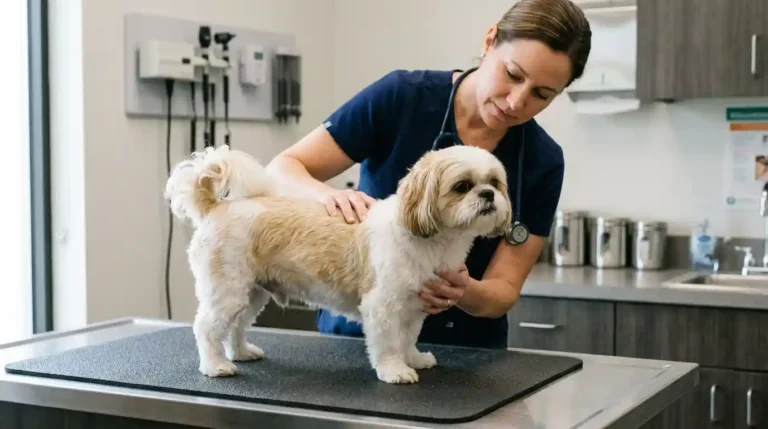
Ear Examination With an Otoscope
A veterinarian examines the external ear using an otoscope, an instrument equipped with a light and magnification.
The examination helps identify redness, swelling, wax buildup, discharge, foreign objects, and abnormalities of the ear canal lining.
The veterinarian also attempts to evaluate the tympanic membrane, commonly called the eardrum.
An intact eardrum separates the external ear canal from the middle ear.
This distinction is important because some cleaning solutions and medications can damage sensitive middle or inner ear structures if the eardrum is ruptured.
When the ear is extremely painful or obstructed, sedation or anesthesia may be necessary to examine it safely.
Ear Cytology and Microscopic Testing
Ear cytology is one of the most useful diagnostic procedures for canine otitis externa.
A veterinarian collects material from the affected ear using a suitable swab or other sampling technique.
The sample is placed on a microscope slide, stained when appropriate, and examined for yeast, bacteria, and inflammatory cells.
Cytology can reveal budding yeast, cocci-shaped bacteria, or rod-shaped bacteria.
These findings help guide treatment selection.
For example, a Shih Tzu with substantial yeast overgrowth may need an antifungal medication, while an ear affected by bacteria may require an appropriate antibacterial treatment.
Cytology is also useful during follow-up visits because the ear may appear improved before the infection has completely resolved.
Ear Culture and Susceptibility Testing
An ear culture identifies bacteria present in a sample.
Susceptibility testing evaluates which antimicrobial medications are likely to be effective against those organisms.
Culture is especially useful when a Shih Tzu has a persistent infection, recurrent bacterial disease, or poor response to previous treatments.
It may also be recommended when microscopy reveals rod-shaped bacteria or resistant organisms are suspected.
Not every uncomplicated ear infection requires culture.
Cytology is often sufficient to guide initial treatment.
If middle ear infection is suspected, veterinarians may need samples from the middle ear rather than relying on material collected from the external canal.
Checking for Allergies or Other Underlying Causes
Recurring ear infections often indicate an underlying condition that has not been adequately controlled.
The veterinarian may examine the skin, paws, face, and other body areas for evidence of allergic disease.
Medical history may reveal seasonal itching, food-related concerns, or repeated skin infections.
When food allergy is suspected, a supervised elimination diet may be recommended.
Environmental allergy testing may be helpful for selecting allergens for immunotherapy, but it does not independently diagnose atopic dermatitis.
Hormonal testing may be appropriate when additional symptoms suggest hypothyroidism or another endocrine condition.
The goal is to identify the cause of the inflammation as well as the organisms contributing to infection.
What to Track Before a Veterinary Visit
Owners can help by recording when ear symptoms began and whether one or both ears are affected.
Useful observations include the frequency of head shaking, appearance of discharge, presence of odor, pain, and recent exposure to water.
Also record any medications, ear cleaners, or grooming products used before the appointment.
| Observation | What to record |
| Affected ear | Left, right, or both |
| Symptoms began | Date or approximate duration |
| Head shaking | Occasional, frequent, or nearly continuous |
| Ear discharge | Brown, black, yellow, bloody, or other |
| Odor | Absent, mild, or strong |
| Pain | Comfortable, sensitive, or severely painful |
| Recent activities | Bathing, swimming, grooming, outdoor exposure |
| Previous treatment | Product name, duration, and response |
| Other health changes | Appetite, mobility, skin irritation, or digestive symptoms |
Mention unrelated new symptoms when relevant because medications and systemic illnesses may influence treatment.
For example, a dog with digestive concerns described as my shih tzu is constipated may need a broader medical review if multiple problems appeared after starting medication.
A clear history can help the veterinarian make safer treatment decisions.

How Shih Tzu Ear Infections Are Treated
Shih Tzu ear infection treatment depends on the diagnosis, severity, microorganisms present, condition of the eardrum, and underlying cause of inflammation.
Veterinarians commonly combine appropriate cleaning with prescription topical medication.
Severe or chronic cases may require additional procedures.
Cleaning the Ear Canal Safely
Cleaning helps remove accumulated wax, debris, and discharge that may interfere with prescribed medication.
However, the correct cleaning method depends on the condition of the ear.
A veterinarian may first examine the eardrum and choose a suitable cleanser.
Some painful infections require professional flushing under sedation or anesthesia.
This allows the veterinary team to remove debris without forcing a distressed dog to tolerate painful handling.
Owners should not attempt deep cleaning at home when the ear is severely inflamed or the eardrum may be damaged.
Once the veterinarian determines home cleaning is appropriate, instructions should specify the cleanser, frequency, and relationship to prescribed medication.
Medicated Ear Drops for Yeast or Bacteria
Prescription ear medications are a common treatment for external ear infections.
Depending on the diagnosis, they may contain antifungal, antibacterial, or anti-inflammatory ingredients.
Some formulations combine multiple types of medication.
Antifungal treatments help control yeast overgrowth, including disease associated with Malassezia.
Antibacterial medications are selected according to the organisms identified or suspected.
Anti-inflammatory ingredients may help reduce swelling, pain, and itching.
The veterinarian chooses an appropriate formulation based on the examination and cytology results.
Never use leftover ear drops from a previous infection without veterinary approval.
The responsible microorganism may be different, and certain products are unsafe when the eardrum is damaged.
Some medications require daily administration at home, while others are longer-acting treatments applied by veterinary professionals.
Follow the exact instructions for the prescribed product.
Oral Medication for Severe or Persistent Infections
Oral medication is not necessary for every Shih Tzu ear infection.
However, more complicated disease may require additional treatment.
A veterinarian may prescribe systemic antibiotics when middle ear disease, severe infection, or other specific circumstances justify their use.
Anti-inflammatory medication may also be recommended when swelling or pain prevents normal examination or treatment.
Oral antifungal medications are reserved for selected situations rather than routinely prescribed for uncomplicated yeast otitis.
Medication choice depends on the diagnosis and the dog’s medical history.
Some oral treatments may cause digestive adverse effects.
If your dog develops vomiting, appetite changes, or Shih Tzu diarrhea after starting a prescribed medication, contact your veterinarian rather than independently adjusting the dose.
Completing Treatment and Attending Follow-Up Visits
One common reason ear infections return is stopping treatment as soon as symptoms improve.
Head shaking and odor may decrease before all inflammation and microorganisms have resolved.
Continue medication for the prescribed course unless your veterinarian directs otherwise.
A follow-up examination may include another ear cytology test to confirm that the infection has cleared.
Many uncomplicated infections improve over several days, but complete treatment may require a few weeks.
Chronic or complicated infections can require substantially longer.
The Merck Veterinary Manual’s guide to ear infections in dogs explains why identifying underlying causes, using appropriate treatments, and completing follow-up care are important.
Surgery for Chronic Ear Disease
Most Shih Tzu ear infections do not require surgery.
However, severe chronic inflammation can cause irreversible changes to the ear canal.
Over time, the canal may become thickened, narrowed, or mineralized.
Some dogs experience persistent pain and repeated infections despite extensive medical treatment.
In these advanced cases, a veterinary surgeon may recommend total ear canal ablation, often combined with lateral bulla osteotomy.
This procedure is commonly called TECA-LBO.
It involves removing the diseased external ear canal and addressing affected tissues in the middle ear as needed.
Surgery is usually reserved for end-stage disease when medical management is no longer successful.
Possible complications include facial nerve injury, balance disturbances, wound problems, and changes in hearing.
Anesthesia also requires appropriate preparation, particularly in Shih Tzus with existing shih-tzu breathing problems.
Although surgery is a major intervention, it can substantially improve comfort in carefully selected dogs suffering from painful end-stage ear disease.
Why Ear Infections Can Return After Treatment
Recurring infections are frustrating for both owners and dogs.
However, repeated infections do not necessarily mean that the original medication was ineffective.
They may indicate that the underlying inflammation was never fully controlled or that a new problem developed.
Possible Underlying Causes of Recurring Symptoms
Environmental allergies are among the most important reasons for repeated ear inflammation.
A Shih Tzu with uncontrolled atopic dermatitis may develop new yeast or bacterial infections even after previous microorganisms were successfully treated.
Food allergies can also contribute in selected dogs.
Other possibilities include excessive wax production, persistent moisture, foreign material, middle ear infection, and chronic structural changes.
Incomplete treatment can allow inflammation or infection to persist.
Repeated use of inappropriate antimicrobial products may also contribute to difficult-to-treat infections.
Ear problems that consistently affect only one ear deserve investigation for a local cause, such as a foreign object or growth.
When a Repeat Examination or Testing May Be Needed
Return to the veterinarian if your Shih Tzu resumes head shaking, develops new discharge, or continues scratching after treatment.
Repeat cytology may reveal whether yeast or bacteria remain present.
Culture and susceptibility testing may be recommended for resistant or recurrent bacterial infections.
If the external ear appears normal but pain and neurological symptoms continue, deeper ear disease should be considered.
Advanced imaging or specialist referral may become necessary.
The goal is to avoid repeated short-term treatment without understanding why the problem returns.
How to Clean and Care for Shih Tzu Ears
Proper ear care is an important part of maintaining Shih Tzu health.
However, cleaning more frequently is not always better.
Some healthy dogs need little routine cleaning, while others benefit from a veterinarian-recommended schedule.
How to Clean the Visible Part of the Ear
If your veterinarian has confirmed that routine cleaning is appropriate, begin by preparing a dog-safe ear cleanser, clean cotton pads or gauze, and a towel.
Choose a calm environment where your Shih Tzu feels comfortable.
Gently lift the ear flap and examine the visible surface for redness, swelling, or discharge.
If the ear appears healthy, use a lightly dampened soft pad to wipe ordinary surface debris from the visible portion of the ear flap.
Do not insert cotton swabs deep into the canal.
For dogs whose veterinarian has recommended cleaning inside the canal, follow the demonstrated technique and use the prescribed product.
A typical veterinary-directed cleaning procedure may include:
- Gently lifting the ear flap to expose the ear opening.
- Applying the recommended amount of suitable canine ear cleaner.
- Massaging the base of the ear gently if the dog tolerates it.
- Allowing the dog to shake its head.
- Wiping loosened debris from the accessible outer portions with gauze or cotton.
- Drying the visible ear flap and rewarding the dog.
Never force the procedure if the dog resists because of pain.
Also ask whether cleaning should occur before medication and whether a waiting period is required.
Some medications have specific instructions that differ from an ordinary cleaning routine.
When to Avoid Cleaning an Infected or Painful Ear
Do not attempt home ear cleaning when your Shih Tzu has severe pain, bleeding, significant swelling, or neurological symptoms.
Avoid cleaning when the eardrum may be ruptured or its condition has not been assessed.
A visibly infected ear may contain damaged tissue that becomes more irritated with cleaning.
If your dog cries, yelps, or struggles during handling, stop and contact your veterinarian.
For painful infections, professional cleaning under controlled conditions may be safer.
What Not to Put in an Infected Ear
Several commonly recommended home remedies can irritate or damage an inflamed ear canal.
Avoid putting the following substances into an infected Shih Tzu ear unless specifically directed by a veterinarian:
- Hydrogen peroxide.
- Rubbing alcohol.
- Vinegar or concentrated acidic solutions.
- Essential oils, including tea tree oil.
- Undiluted herbal extracts.
- Human antibiotic or antifungal creams.
- Unprescribed ear drops.
- Powders or other homemade mixtures.
Olive oil and coconut oil should not be considered reliable infection treatments.
Cotton-tipped applicators can also push debris deeper into the ear or cause injury.
A suspected ear infection should be examined before any medication or cleaning solution is introduced.
Should You Pluck the Hair Inside the Ear Canal?
Routine ear hair plucking is a debated grooming practice, and not every Shih Tzu needs it.
Some dogs have considerable ear canal hair without developing inflammation.
Aggressive plucking can produce microscopic skin trauma, irritation, and pain.
This may worsen an already sensitive ear.
However, hair removal may be helpful in selected cases when excessive hair obstructs examination, cleaning, or medication delivery.
A veterinarian can determine whether trimming, limited removal, or no intervention is appropriate.
For many Shih Tzus, keeping the hair around the external ear opening tidy is sufficient.
Never attempt deep plucking in an inflamed or painful ear.
Choosing an Ear-Checking and Cleaning Routine
A regular inspection schedule is more useful than automatically cleaning every ear at fixed intervals.
For many owners, checking the ears once a week provides an opportunity to detect new redness, discharge, odor, or discomfort.
Dogs that swim frequently, develop excess wax, or have recurrent infections may require a customized plan.
A veterinarian can recommend how often the ears should be cleaned and which products are suitable.
During grooming, also observe general skin and coat health.
Owners exploring broader shih tzu health and wellness routines should treat ear inspections as one part of preventive care alongside dental hygiene, coat maintenance, nutrition, and regular veterinary examinations.

Preventing Recurring Ear Infections
Prevention focuses on reducing avoidable irritation, recognizing early symptoms, and managing underlying conditions.
For dogs with allergies or chronic ear disease, prevention may require an ongoing veterinary plan.
Keeping Ears Clean and Dry After Baths or Swimming
Avoid directing water into your Shih Tzu’s ear canals during bathing.
After swimming or bathing, gently dry the outer ear flaps and surrounding hair with a clean towel.
Some dogs benefit from a veterinarian-recommended ear-drying product.
However, these products are not appropriate for every dog, particularly when the ear is inflamed or the eardrum may be damaged.
Do not repeatedly insert tissues or other materials deep into the ear canal.
A clean, appropriately dry external ear environment can help reduce moisture-related irritation.
Checking Ears Regularly and Managing Grooming
Inspect your Shih Tzu’s ears at least weekly and after activities that expose the coat to water or debris.
Look for new odor, excessive wax, redness, and scratching.
Maintain the hair around the ear opening so that grooming and inspection are manageable.
Avoid excessive plucking or harsh products.
Groomers should be informed when a Shih Tzu has a history of painful or recurrent ear disease.
Routine care should also account for age and developmental stage.
For breeders researching topics such as How many puppies can a Shih Tzu have, regular puppy health inspections and appropriate veterinary care are important aspects of raising healthy litters.
Addressing Allergies and Other Root Causes
Preventing repeated infections often requires identifying and managing the underlying inflammatory condition.
Dogs with environmental allergies may benefit from an individualized dermatology plan.
Those with confirmed food allergies may require a carefully selected diet that avoids the responsible ingredient.
Other skin disorders, endocrine problems, and parasite infestations should be treated when identified.
Veterinarians may also recommend maintenance ear treatments for dogs with chronic inflammatory disease.
These should be selected carefully rather than used as routine antibiotics without evidence of infection.
When Recurring Infections Need Further Evaluation
A Shih Tzu experiencing multiple ear infection episodes despite appropriate treatment should receive a more detailed investigation.
Veterinarians may recommend repeat cytology, bacterial culture, evaluation for allergy, or advanced imaging.
Referral to a veterinary dermatologist may help when allergic inflammation is difficult to control.
A specialist may also investigate whether chronic middle ear disease or structural abnormalities are contributing.
Dogs undergoing repeated treatment for other health problems, including persistent shih tzu coughing, should have their complete medication and medical histories reviewed to identify any factors affecting infection management.
Early specialist involvement can sometimes prevent progressive ear canal damage and improve long-term comfort.
What Does Shih Tzu Ear Infection Treatment Cost?
The cost of treating a Shih Tzu ear infection varies depending on severity, geographic location, clinic fees, diagnostic testing, and the medications required.
In the United States, an uncomplicated case treated at a general veterinary clinic may cost approximately 150–400 for the initial examination, basic testing, cleaning, and medication.
These are broad planning estimates, not guaranteed prices or standardized national fees.
More complicated cases involving bacterial cultures, repeated visits, sedation, or advanced imaging can cost substantially more.
| Veterinary service | Illustrative U.S. cost range |
| General veterinary examination | 50–150 |
| Ear cytology | 30–100 |
| Ear cleaning | 20–75 |
| Prescription ear medication | 25–150 |
| Ear culture and susceptibility testing | 100–250 |
| Sedated ear cleaning or flushing | 150–400+ |
| Follow-up examination | 40–100+ |
Actual charges depend on the clinic and may differ considerably from these estimates.
A simple yeast-associated ear infection may be less expensive than chronic bacterial otitis requiring multiple treatment courses.
Specialist visits, CT or MRI imaging, hospitalization, and surgical procedures can add hundreds or thousands of dollars.
Advanced surgery such as total ear canal ablation may cost several thousand dollars per affected ear.
When discussing costs, ask your veterinarian for an itemized estimate covering diagnostic testing, medication, cleaning, and follow-up appointments.
Avoid skipping recommended ear cytology or follow-up examinations solely to reduce the immediate bill. Accurate diagnosis and confirmation of recovery can help prevent repeated treatment failures and additional expenses.
Frequently Asked Questions
Can I Treat My Shih Tzu’s Ear Infection at Home?
A diagnosed ear infection usually requires veterinary-directed medication; home cleaning alone cannot reliably treat bacterial or yeast infections.
How Long Does an Ear Infection Take to Improve?
Some dogs improve within several days of appropriate treatment, but complete recovery often takes two to four weeks, and chronic cases may take longer.
Can Ear Infections Cause Hearing or Balance Problems?
Yes, significant inflammation or middle and inner ear disease can affect hearing and balance, and sudden head tilting or loss of coordination requires urgent veterinary assessment.
Final Thoughts: Keeping Your Shih Tzu’s Ears Healthy
A Shih Tzu ear infection can cause persistent scratching, head shaking, unpleasant odors, discharge, and significant discomfort. While yeast and bacteria commonly contribute to infection, allergies, moisture, foreign objects, and underlying skin conditions may also play important roles.
The most effective treatment begins with a veterinary examination, appropriate ear cytology, and medication selected for the dog’s specific condition. Regular ear inspections, careful grooming, and management of underlying allergies can help reduce recurring problems.
Avoid harsh home remedies, unnecessary ear hair plucking, and unprescribed ear medications.
If your Shih Tzu is shaking its head, scratching its ears, or developing unusual discharge, schedule a veterinary examination before the condition worsens. Early treatment and consistent follow-up can protect ear health and help your dog remain comfortable.
For owners researching the breed using the common misspelling Shit Zhu, understanding routine ear care is an essential part of keeping this affectionate companion healthy.