Shih Tzu Health Issues: Common Concerns and Preventive Care
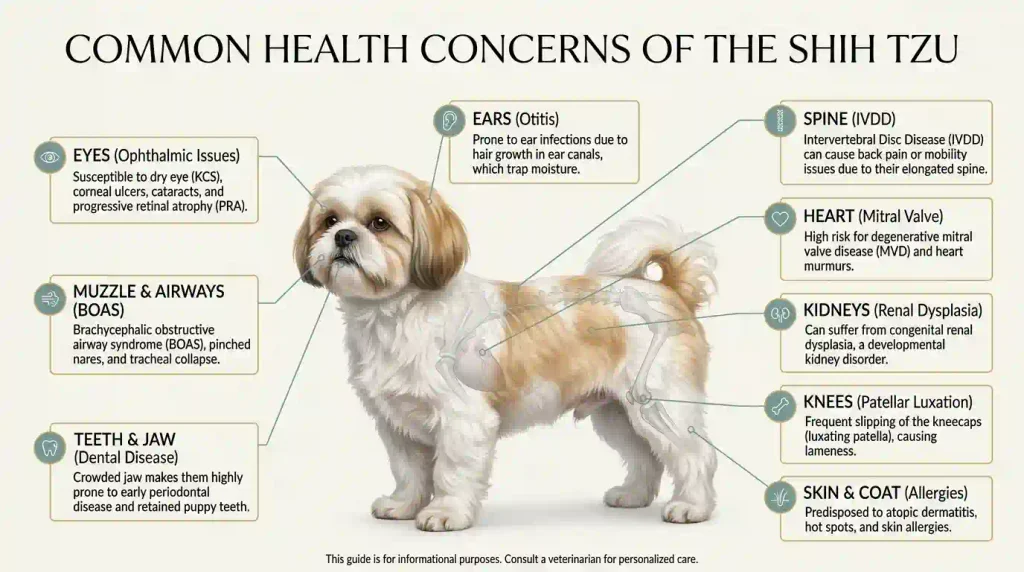
Shih Tzu health issues can affect nearly every part of this affectionate, long-haired breed, from its prominent eyes and short muzzle to its teeth, skin, joints, heart, and kidneys. Although many Shih Tzus live long, healthy lives, their distinctive anatomy and inherited characteristics make them susceptible to certain medical conditions. Common Shih Tzu health problems include dental disease, eye infections, brachycephalic obstructive airway syndrome (BOAS), skin allergies, ear infections, luxating patella, intervertebral disc disease (IVDD), and heart disease.
Recognizing early warning signs can make a significant difference in your dog’s comfort, treatment options, and long-term quality of life. Symptoms such as persistent coughing, breathing difficulty, cloudy eyes, excessive scratching, limping, unusual thirst, or sudden behavioral changes should never be ignored.
This comprehensive guide explains the most important Shih Tzu diseases, their symptoms, possible causes, veterinary treatments, and prevention strategies. You’ll also discover research-based health statistics, puppy and senior health risks, emergency warning signs, practical daily-care advice, and ways to prepare financially for veterinary expenses. Understanding these risks helps you recognize problems early without assuming every Shih Tzu will develop them.
Table of Contents
- Shih Tzu Health Issues: Quick Overview
- Common Signs and Symptoms of Shih Tzu Health Problems
- Shih Tzu Breathing and Respiratory Health Problems
- Common Shih Tzu Eye Problems and Vision Disorders
- Shih Tzu Skin Allergies, Coat Problems, and Ear Infections
- Dental and Oral Health Problems in Shih Tzus
- Shih Tzu Joint, Bone, and Spinal Health Problems
- Shih Tzu Heart, Kidney, Liver, and Urinary Problems
- Hormonal, Metabolic, and Other Shih Tzu Health Conditions
- Digestive and Stomach-Related Shih Tzu Health Issues
- Shih Tzu Health Risks by Age and Lifespan
- How Veterinarians Diagnose and Treat Shih Tzu Health Issues
- How to Keep Your Shih Tzu Healthy
- Shih Tzu Healthcare Costs and Financial Planning
- Frequently Asked Questions About Shih Tzu Health Issues
- Final Thoughts: Protecting Your Shih Tzu’s Health and Well-Being
1. Shih Tzu Health Issues: Quick Overview
Shih Tzus are small companion dogs known for their affectionate personalities, long coats, expressive eyes, and relatively long lifespans. However, several anatomical characteristics and inherited tendencies influence their health.
Understanding these breed-specific factors helps owners distinguish routine care needs from potential medical concerns.
1.1 What Are the Most Common Health Problems in Shih Tzus?
Some of the most important Shih Tzu health concerns include:
- Periodontal disease and other dental problems.
- Eye disorders, including dry eye, cataracts, and corneal ulcers.
- Brachycephalic airway problems and heat intolerance.
- Skin allergies, dermatitis, and ear infections.
- Patellar luxation and intervertebral disc disease.
- Heart disease, particularly mitral valve degeneration.
- Kidney abnormalities and urinary disorders.
- Anal sac impaction and digestive problems.
- Obesity and associated mobility or respiratory complications.
Not every Shih Tzu develops these conditions, and their frequency varies by age, genetics, environment, and the population studied.
1.2 How Common Are Health Issues in Shih Tzus?
Shih Tzus can be healthy, active dogs, but veterinary research confirms that several disorders deserve particular attention.
Dental problems, skin disease, and eye disorders appear prominently in veterinary medical records.
The likelihood of diagnosis also changes with age. For example, periodontal disease and some chronic ocular conditions become more common in older dogs.
1.3 What Veterinary Research Reveals About Common Shih Tzu Diseases
A 2024 study titled Demography, Common Disorders and Mortality of Shih Tzu Dogs Under Primary Veterinary Care in the UK analyzed records from the Royal Veterinary College’s VetCompass program.
The researchers examined a population of 11,082 Shih Tzus and extracted detailed disorder information from a random subset of 2,423 dogs.
This research provides useful evidence about diagnosed health conditions rather than relying entirely on breed reputation.
1.3.1 Shih Tzu Health Statistics From the VetCompass Study
The following figures represent conditions recorded during 2016 among the study’s 2,423-dog disorder-analysis sample.
| Health Condition | Recorded Prevalence |
| Skin disorders, grouped | 16.6% |
| Dental disorders, grouped | 13.3% |
| Eye disorders, grouped | 11.9% |
| Digestive disorders, grouped | 10.5% |
| Ear disorders, grouped | 10.2% |
| Periodontal disease, specific diagnosis | 9.5% |
| Anal sac impaction, specific diagnosis | 7.4% |
These categories overlap. For example, periodontal disease is part of the broader dental-disorder category, so percentages should not be added together.
The study reported that 68.9% of the sampled dogs had at least one disorder recorded during that calendar year.
Research limitation: These were UK veterinary records from 2016, not current US-wide prevalence estimates. They also represent recorded diagnoses, not proof that every unrecorded condition was absent.
1.4 Why Are Shih Tzus Prone to Certain Health Problems?
Breed characteristics can influence the development of eye disease, airway obstruction, dental crowding, and orthopedic problems.
Genetics plays a role, but lifestyle, preventive care, environment, and individual health also matter.
1.4.1 Brachycephalic Facial Structure and Genetic Predisposition
Shih Tzus are brachycephalic dogs, meaning they have relatively shortened skulls and muzzles.
This anatomy can create narrower upper airways and relatively shallow eye sockets.
Their facial structure contributes to increased risks of breathing difficulties, eye exposure, dental crowding, and heat intolerance.
1.4.2 How Shih Tzu Size, Body Structure, and Coat Affect Health
The Shih Tzu’s small size can contribute to crowded teeth and certain orthopedic concerns.
Its long coat requires consistent maintenance to prevent matting, skin irritation, and trapped moisture.
Some dogs also have inherited tendencies toward eye, joint, kidney, or other disorders.
1.5 Shih Tzu Health Problems at a Glance
The following chart provides a quick reference for common medical concerns.
1.5.1 Compare Common Conditions by Symptoms, Severity, and Treatment
| Condition | Common Symptoms | Potential Severity | Typical Veterinary Care |
| BOAS | Noisy breathing, exercise intolerance | Moderate to life-threatening | Weight management, airway assessment, possible surgery |
| Dry eye | Thick discharge, redness | Can threaten vision | Tear testing, prescription medication |
| Corneal ulcer | Squinting, tearing, pain | Can threaten vision rapidly | Urgent examination and treatment |
| Ear infection | Head shaking, odor, discharge | Usually treatable; sometimes chronic | Ear examination and targeted medication |
| Skin allergies | Itching, paw licking, redness | Often chronic | Allergen management and medication |
| Periodontal disease | Bad breath, painful gums | Can cause tooth loss and infection | Dental assessment and professional cleaning |
| Luxating patella | Skipping gait, intermittent limping | Variable | Monitoring, rehabilitation, or surgery |
| IVDD | Back pain, weakness, paralysis | Potential emergency | Neurological assessment and treatment |
| Heart disease | Murmur, coughing, fatigue | Can become serious | Cardiac testing and medication |
| Kidney disease | Increased thirst, weight loss | Potentially serious | Bloodwork, urinalysis, ongoing management |
| Cushing’s disease | Increased thirst, appetite, skin changes | Chronic | Hormone testing and treatment |
Symptoms overlap between diseases. A chart cannot replace a veterinary diagnosis.
1.6 Signs of a Healthy Shih Tzu vs. an Unhealthy Shih Tzu
A healthy Shih Tzu usually has a comfortable breathing pattern, good appetite, stable body weight, bright eyes, healthy skin, normal mobility, and an interest in daily activities.
Possible warning signs include persistent lethargy, unexplained weight changes, painful movement, excessive thirst, recurring infections, unusual breathing, or changes in behavior.
The most useful comparison is your dog’s normal baseline rather than another Shih Tzu’s appearance or activity level.
2. Common Signs and Symptoms of Shih Tzu Health Problems
Shih Tzus may develop subtle symptoms before a medical condition becomes obvious.
Owners who monitor everyday behavior and physical appearance are better positioned to notice changes early.
2.1 Changes in Appetite, Thirst, and Body Weight
Sudden appetite loss, unexplained weight gain, increased thirst, or progressive weight loss can indicate illness.
Possible causes include dental pain, endocrine disorders, kidney disease, and digestive conditions.
Persistent changes should be discussed with a veterinarian.
2.2 Unusual Breathing, Coughing, and Exercise Intolerance
Noisy breathing, persistent coughing, increased respiratory effort, and unusual fatigue may indicate airway or cardiac disease.
Because Shih Tzus have shortened muzzles, owners sometimes assume snoring and snorting are always harmless.
However, labored breathing is never a normal feature to ignore.
Our dedicated guide to shih tzu coughing explains possible respiratory and cardiac causes.
2.3 Eye Redness, Discharge, and Vision Changes
Watch for squinting, cloudy eyes, excessive tearing, thick discharge, or changes in vision.
These symptoms may indicate infection, dry eye, corneal injuries, or other ocular disorders.
Read our Shih Tzu Eye Discharge article for more details about discharge types and possible causes.
2.4 Skin Irritation, Itching, and Hair Loss
Repeated scratching, paw licking, redness, dandruff, unpleasant skin odors, and bald patches may signal allergies, parasites, or infections.
Persistent coat thinning deserves evaluation.
Our Shih Tzu losing hair guide discusses alopecia, hair breakage, and regrowth.
2.5 Ear Scratching, Head Shaking, and Unusual Odors
Head shaking, ear redness, discharge, or an unpleasant smell can indicate an ear infection.
Dogs may also experience discomfort when the outer ear is touched.
Prompt evaluation is important because untreated infections can become chronic.
2.6 Limping, Stiffness, and Difficulty Walking
Intermittent skipping, reluctance to jump, back pain, or weakness can indicate joint or spinal disease.
A Shih Tzu suddenly unable to walk requires urgent assessment.
2.7 Dental Pain, Bad Breath, and Difficulty Eating
Persistent bad breath, loose teeth, red gums, drooling, and difficulty chewing may indicate periodontal disease.
Dental pain is often overlooked because dogs may continue eating despite discomfort.
2.8 Vomiting, Diarrhea, and Digestive Changes
Occasional digestive upset has many possible causes.
However, persistent vomiting, bloody diarrhea, repeated regurgitation, or difficulty passing stool requires attention.
2.9 Changes in Energy, Behavior, and Daily Activities
Dogs experiencing pain or illness may become withdrawn, irritable, unusually restless, or less interested in play.
A normally affectionate Shih Tzu suddenly avoiding touch may be uncomfortable.
2.10 Subtle Signs of Pain That Shih Tzu Owners Often Miss
Pain does not always cause crying or obvious limping.
Possible subtle signs include reluctance to climb stairs, changes in sleeping position, frequent panting at rest, trembling, reduced appetite, or resistance to grooming.
Observe patterns rather than relying on one isolated behavior.
2.11 Shih Tzu Daily Health Monitoring Checklist
A quick daily assessment can help identify meaningful changes.
| Health Area | What to Check |
| Breathing | Comfortable effort and usual breathing sounds |
| Eyes | Redness, discharge, squinting |
| Ears | Odor, scratching, head shaking |
| Teeth | Bad breath, gum inflammation, chewing difficulty |
| Skin | Itching, lumps, redness, hair loss |
| Mobility | Limping, stiffness, reluctance to jump |
| Appetite | Usual interest in food |
| Water intake | Unusual increases or decreases |
| Digestion | Vomiting, stool consistency, constipation |
| Behavior | Energy, sleep, comfort, interaction |
Keep notes or photographs when a change persists.
2.12 Early Warning Signs That Require Veterinary Attention
Difficulty breathing, collapse, seizures, sudden paralysis, severe eye pain, a displaced eyeball, repeated unproductive retching, and inability to urinate are emergency warning signs.
Other concerns, including recurring infections, weight loss, persistent vomiting, or progressive weakness, should be evaluated promptly.
Never delay emergency treatment to seek an online diagnosis.
3. Shih Tzu Breathing and Respiratory Health Problems
Breathing disorders are particularly relevant to Shih Tzus because of their shortened facial anatomy.
Understanding these problems can help owners protect dogs from respiratory distress and overheating.
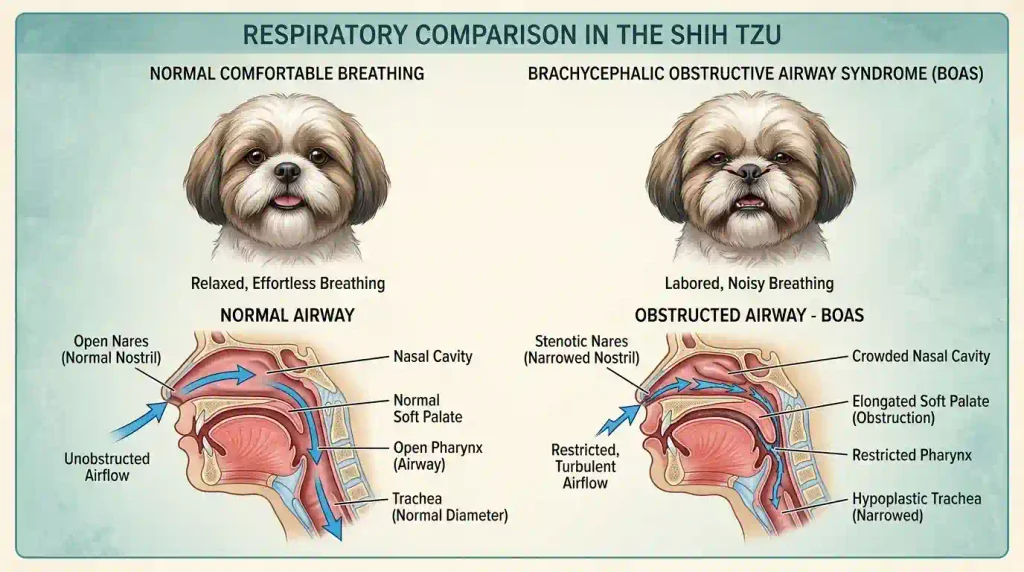
3.1 Brachycephalic Obstructive Airway Syndrome (BOAS)
Brachycephalic obstructive airway syndrome is a collection of anatomical abnormalities that restrict airflow through the upper respiratory tract.
Affected Shih Tzus may experience noisy breathing, exercise intolerance, or respiratory distress.
For a detailed explanation, see our shih-tzu breathing problems guide.
3.1.1 What Causes BOAS in Shih Tzus?
Contributing abnormalities can include stenotic nares, an elongated soft palate, everted laryngeal saccules, and narrowing of the windpipe.
Some affected dogs also develop secondary changes from repeatedly struggling to breathe.
Severity varies considerably between individuals.
3.1.2 Common Symptoms of Brachycephalic Airway Problems
Possible symptoms include snorting, loud breathing, exercise intolerance, excessive panting, gagging, and difficulty recovering after activity.
Severe cases may cause blue gums, respiratory collapse, or an inability to breathe comfortably.
3.1.3 Normal Snoring vs. Sleep-Disordered Breathing in Shih Tzus
Snoring may occur because of airway resistance, but frequent loud snoring should not automatically be considered normal.
Warning signs include disturbed sleep, waking while gasping, unusual sleeping positions, and persistent breathing effort while resting.
These symptoms justify an airway assessment.
3.1.4 Regurgitation, Acid Reflux, and Aspiration Risks Associated With BOAS
Some dogs with BOAS also develop gastrointestinal symptoms such as regurgitation, gagging, or reflux.
Repeated abnormal breathing pressures may contribute to these problems.
Aspiration occurs when material enters the airways, potentially causing aspiration pneumonia.
Coughing, fever, or breathing difficulty after regurgitation needs prompt veterinary attention.
3.1.5 How Veterinarians Diagnose and Treat BOAS
Veterinarians assess facial anatomy, breathing sounds, respiratory effort, and exercise tolerance.
Some airway structures require examination under carefully controlled anesthesia.
Management may involve weight control, heat avoidance, reducing excessive exertion, and surgical correction when indicated.
3.1.6 Do All Shih Tzus Need Airway Surgery?
No.
Dogs with mild abnormalities may be managed conservatively, whereas others benefit from surgical procedures that improve airflow.
A veterinarian should evaluate the dog’s functional breathing rather than deciding based solely on facial appearance.
3.2 Collapsing Trachea in Shih Tzus
Tracheal collapse occurs when the supporting structures of the windpipe weaken, allowing it to narrow during breathing.
Small breeds can develop this condition, although coughing has many other possible causes.
3.2.1 Symptoms of Tracheal Collapse
Affected dogs may develop a distinctive honking cough, particularly during excitement or activity.
Some experience exercise intolerance or respiratory distress.
3.2.2 Diagnosis and Treatment Options
Diagnosis may involve physical examination, radiographs, fluoroscopy, or other airway imaging.
Treatment depends on severity and may involve weight management, medication, environmental adjustments, or specialized procedures.
3.3 How Heat, Obesity, and Physical Activity Affect Shih Tzu Breathing
Short-faced dogs can struggle to cool themselves effectively through panting.
Obesity increases respiratory workload, while heat and humidity make breathing difficulties more dangerous.
Exercise should be adjusted to the weather, age, and individual dog’s tolerance.
3.4 Heatstroke in Shih Tzus: Warning Signs and Emergency Response
Heatstroke occurs when a dog’s body temperature rises dangerously and normal cooling mechanisms cannot compensate.
Warning signs include heavy panting, excessive drooling, weakness, vomiting, diarrhea, confusion, and collapse.
If heatstroke is suspected, immediately move your Shih Tzu into a cooler environment, begin cooling with cool—not ice-cold—water, and contact an emergency veterinarian.
Airflow from a fan can assist cooling. Offer small amounts of water only if the dog is alert and able to drink safely.
Emergency veterinary treatment is necessary even when the dog initially appears to improve.
4. Common Shih Tzu Eye Problems and Vision Disorders
Shih Tzus are particularly vulnerable to several eye conditions because their prominent eyes receive less protection from surrounding facial structures.
4.1 Why Are Shih Tzus Prone to Eye Problems?
Their shallow eye sockets, relatively exposed corneas, eyelid anatomy, and facial hair can increase ocular irritation and injury risk.
Incomplete blinking may also contribute to tear-film instability.
Our comprehensive Shih Tzu Eye problems guide explores these conditions in more detail.
4.2 Dry Eye (Keratoconjunctivitis Sicca)
Dry eye occurs when the eyes lack sufficient healthy tears.
It may cause thick discharge, redness, corneal irritation, and recurrent ulcers.
Veterinarians commonly use the Schirmer tear test to evaluate tear production.
Treatment may involve artificial tears and prescribed tear-stimulating medication.
4.3 Cataracts and Cloudy Eyes
Cataracts cause opacity within the eye’s lens and may impair vision.
However, cloudy eyes can also result from nuclear sclerosis or corneal disease.
A veterinary ophthalmic examination is necessary to determine the cause and whether treatment is appropriate.
4.4 Cherry Eye (Prolapsed Third Eyelid Gland)
Cherry eye appears as a pink or red swelling near the inner corner of the eye.
It occurs when the gland of the third eyelid moves out of its normal position.
Surgical repositioning is commonly recommended to preserve tear production.
4.5 Entropion: Inward-Rolling Eyelids
Entropion occurs when part of the eyelid rolls inward, allowing nearby hair to rub against the cornea.
Affected dogs may experience tearing, redness, squinting, and repeated ulcers.
Surgical correction may be necessary.
4.6 Distichiasis: Abnormal Eyelash Growth
Distichiasis involves additional eyelashes growing from abnormal positions along the eyelid margin.
Some dogs show no symptoms, while others experience corneal irritation.
Ectopic cilia, which emerge through the inner eyelid, may cause particularly severe discomfort.
4.7 Progressive Retinal Atrophy (PRA)
Progressive retinal atrophy is a group of inherited retinal degenerative diseases.
Affected dogs may initially experience night blindness, followed by progressive vision loss.
There is currently no established treatment that reliably reverses retinal degeneration.
4.8 Corneal Injuries and Ulcers
Corneal ulcers may develop after scratches, facial hair irritation, trauma, or complications of dry eye.
Warning signs include squinting, pain, tearing, redness, and corneal cloudiness.
Deep ulcers can perforate and threaten the entire eye.
Painful or suddenly cloudy eyes require urgent veterinary assessment.
4.9 Eye Proptosis: When a Shih Tzu’s Eyeball Pops Out
Proptosis occurs when the eyeball becomes displaced forward from its socket.
Shih Tzus are vulnerable because of their shallow eye sockets.
It typically follows trauma or significant pressure to the head.
4.9.1 What to Do Immediately if Your Shih Tzu’s Eye Becomes Displaced
Never attempt to push the eyeball back into position.
Prevent your dog from rubbing the eye and gently keep exposed tissue moist with sterile saline without applying pressure.
Transport the dog immediately to an emergency veterinary hospital.
4.10 Common Symptoms of Shih Tzu Eye Diseases
Possible signs include eye redness, excessive tearing, cloudy eyes, discharge, squinting, rubbing, and visible changes in pupil appearance.
Some conditions can cause sudden vision loss.
4.11 How Veterinarians Diagnose and Treat Eye Problems
Diagnosis may involve fluorescein staining, tear-production testing, intraocular pressure measurement, and examination by a veterinary ophthalmologist.
Treatment depends on the underlying condition.
4.11.1 Commonly Prescribed Veterinary Eye Medications
Veterinarians may prescribe lubricating drops, antibiotic medication, cyclosporine, tacrolimus, or other disease-specific treatments.
Never use unprescribed steroid eye drops because they may worsen corneal ulcers.
4.11.2 When Eye Problems Require Emergency Care
Seek immediate assistance for sudden vision loss, severe pain, displaced eyeballs, eye trauma, or suspected glaucoma.
Early treatment can make a significant difference in preserving vision.
5. Shih Tzu Skin Allergies, Coat Problems, and Ear Infections
Skin and ear problems are important components of Shih Tzu healthcare.
Their long coat, facial folds, and susceptibility to allergic disease can make regular inspection and grooming especially valuable.
5.1 Common Skin Problems in Shih Tzus
Potential problems include allergic dermatitis, bacterial infections, yeast overgrowth, hot spots, parasites, and excessive scratching.
Persistent lumps, ulcerated lesions, or nonhealing sores also require examination.
Our article on Shih Tzu Skin Cancer explains why suspicious skin growths should not be ignored.
5.2 Atopic Dermatitis and Environmental Allergies
Canine atopic dermatitis is an inflammatory skin disease associated with environmental allergens such as pollen, dust mites, and molds.
Affected dogs may develop recurrent itching and secondary skin infections.
Learn more about shih tzu allergies and their potential triggers.
5.2.1 Common Allergy Symptoms
Symptoms can include paw licking, facial rubbing, scratching, skin redness, ear irritation, and recurrent infections.
Some dogs also develop hair loss from excessive licking or chewing.
5.2.2 How Veterinarians Diagnose and Treat Allergies
Veterinarians first investigate parasites, infections, and other skin conditions.
Food allergies may require a controlled elimination diet and food challenge.
Environmental allergy management may include medication, skin care, allergen-specific immunotherapy, or other individualized treatments.
5.2.3 Are At-Home Dog Allergy Tests Reliable?
Commercial hair- and saliva-based allergy tests are not reliable methods for diagnosing canine food allergies.
Veterinary-directed dietary trials are more appropriate when a food reaction is suspected.
Intradermal or serum environmental allergy testing is generally used to help select allergens for immunotherapy, not to independently establish a diagnosis of atopic dermatitis.
5.3 Hair Loss and Coat-Related Health Problems
Hair loss can result from infections, hormonal disease, parasites, grooming damage, or allergies.
Excessive shedding accompanied by bald patches, inflamed skin, or persistent itching deserves veterinary evaluation.
5.4 Facial Skin-Fold Dermatitis and Moisture-Related Infections
Facial skin folds can trap moisture and debris, creating conditions that encourage irritation and microbial overgrowth.
The severity depends on individual facial anatomy.
5.4.1 Symptoms of Facial-Fold Irritation and Infection
Signs include redness, unpleasant odor, moist skin, discharge, rubbing, and discomfort around the folds.
Chronic inflammation may cause darkened or thickened skin.
5.4.2 Safe Facial-Fold Cleaning and Veterinary Treatment
Gently clean accessible folds with an appropriate pet-safe product and dry them thoroughly.
Avoid harsh chemicals and aggressive rubbing.
Persistent infections may require prescribed topical medication or further veterinary treatment.
5.5 Ear Infections in Shih Tzus
Otitis externa involves inflammation or infection of the external ear canal.
Moisture, allergies, and bacterial or yeast overgrowth may contribute.
5.5.1 Common Signs of Ear Infections
Affected dogs may scratch their ears, shake their heads, resist touching, or develop discharge and unpleasant odors.
Our shih tzu ear infection guide explains these symptoms in detail.
5.5.2 Are Recurring Ear Infections Related to Allergies?
Yes, allergic skin disease can contribute to repeated ear inflammation and secondary infections.
However, mites, foreign objects, anatomical factors, and other conditions may also be involved.
Read about shih tzu ear mites when parasites are suspected.
5.5.3 Veterinary Diagnosis and Treatment
Veterinarians examine the ear canal and may use ear cytology to identify yeast or bacteria.
Treatment depends on the cause and the condition of the eardrum.
Never insert cotton swabs deeply into the ear canal.
5.6 Preventing Recurring Skin and Ear Problems
Regular grooming, appropriate bathing, parasite prevention, and managing diagnosed allergies can reduce recurring irritation.
Seek veterinary advice when infections repeatedly return despite treatment.
6. Dental and Oral Health Problems in Shih Tzus
Dental health is especially important in this small breed because teeth may be crowded within relatively compact jaws.
6.1 Why Are Shih Tzus Prone to Dental Disease?
Small jaw size, overcrowded teeth, and retained deciduous teeth can make plaque removal difficult.
Without consistent oral hygiene, plaque may accumulate and contribute to periodontal disease.
6.2 Periodontal Disease and Tooth Decay
Periodontal disease involves inflammation and damage to the tissues supporting the teeth.
It can progress from gingivitis to advanced infection, bone loss, and tooth loss.
True dental caries can occur in dogs but are less common than periodontal disease.
6.3 Common Symptoms of Dental Problems
Warning signs include bad breath, red or bleeding gums, loose teeth, drooling, difficulty chewing, and facial discomfort.
Some dogs continue eating normally even when dental disease is advanced.
6.4 How Veterinarians Diagnose and Treat Dental Disease
Veterinary dental care may involve examination under anesthesia, dental radiographs, cleaning below the gumline, and extraction of severely affected teeth.
Treatment depends on the extent of periodontal damage.
6.5 Daily Dental Care and Preventive Cleaning
Daily toothbrushing with dog-safe toothpaste is one of the most useful preventive measures.
Veterinary-approved dental products may provide additional support.
Human toothpaste should not be used.
6.6 How Often Should Shih Tzus Receive Professional Dental Care?
Frequency depends on the dog’s oral health, age, existing periodontal disease, and examination findings.
Some Shih Tzus need professional dental treatment more frequently than others.
A veterinarian should recommend a schedule based on the individual dog’s needs.
7. Shih Tzu Joint, Bone, and Spinal Health Problems
Orthopedic and spinal conditions can affect comfort, walking ability, and long-term mobility.
Early recognition is particularly important when symptoms involve nerve function.
7.1 Luxating Patella (Slipping Kneecap)
Patellar luxation occurs when the kneecap moves out of its normal groove.
It is an important orthopedic concern in small-breed dogs.
7.1.1 Symptoms of Patellar Luxation
Signs include intermittent skipping, holding up a hind leg, limping, or reluctance to exercise.
Some dogs have mild symptoms, while others develop pain or arthritis.
7.1.2 Diagnosis and Treatment Options
Veterinarians assess patellar movement and grade the severity.
Management may involve weight control, rehabilitation, pain treatment, or corrective surgery.
7.2 Hip Dysplasia
Hip dysplasia involves abnormal development or instability of the hip joint.
It can contribute to joint inflammation and osteoarthritis.
7.2.1 Signs of Hip Dysplasia
Affected dogs may show stiffness, difficulty rising, reduced activity, or discomfort in the hindquarters.
7.2.2 Veterinary Diagnosis and Treatment
Diagnosis generally involves physical examination and radiographs.
Management may include weight control, medication, rehabilitation, and occasionally surgery.
7.3 Elbow Dysplasia
Elbow dysplasia is a developmental joint disorder that can cause forelimb lameness and arthritis.
Although not among the most characteristic Shih Tzu conditions, it may occur and should be considered when symptoms suggest elbow pain.
7.4 Intervertebral Disc Disease (IVDD)
Intervertebral disc disease develops when spinal discs degenerate or herniate, potentially compressing the spinal cord.
The condition can cause pain, weakness, or paralysis.
Our comprehensive article on IVDD in Shih Tzu dogs explains diagnosis, treatment, and recovery in greater detail.
7.4.1 Common Symptoms of IVDD
Signs may include back or neck pain, trembling, reluctance to jump, difficulty walking, loss of coordination, or sudden weakness.
Severe cases may cause paralysis and loss of bladder control.
7.4.2 How Veterinarians Diagnose IVDD
Veterinarians perform neurological examinations and may recommend advanced imaging such as MRI or CT.
The degree and location of spinal cord compression influence treatment decisions.
7.4.3 Medical and Surgical Treatment Options
Selected mild cases may be managed with strict activity restriction and veterinary-prescribed medication.
Severe spinal cord compression may require urgent surgery.
Sudden paralysis or rapidly worsening weakness is a veterinary emergency.
7.5 Supporting Mobility and Joint Health as Shih Tzus Age
Maintaining a healthy body weight reduces unnecessary joint stress.
Non-slip flooring, ramps, supportive bedding, and appropriate low-impact exercise can help older dogs remain comfortable.
Persistent pain should not be dismissed as ordinary aging.
8. Shih Tzu Heart, Kidney, Liver, and Urinary Problems
Some Shih Tzu medical issues affect internal organs and may be difficult to recognize during their early stages.
Routine examinations and appropriate diagnostic testing can help detect these conditions.
8.1 Heart Disease in Shih Tzus
Heart disease may develop gradually, especially in older dogs.
An abnormal heart murmur sometimes provides the first indication of a problem.
8.1.1 Mitral Valve Disease (MVD)
Myxomatous mitral valve disease involves degeneration of the mitral valve, allowing blood to leak backward within the heart.
Progression can eventually contribute to enlargement of the heart and congestive heart failure.
8.1.2 Common Symptoms of Heart Disease
Signs may include coughing, fatigue, exercise intolerance, rapid breathing at rest, and weakness.
Severe disease may cause respiratory distress or collapse.
8.1.3 Diagnosis and Treatment Options
Veterinarians may use auscultation, chest radiographs, and echocardiography.
Medication such as pimobendan or diuretics may be appropriate for particular disease stages.
Treatment should be individualized by the attending veterinarian.
8.2 Kidney Disease in Shih Tzus
Kidney disorders may be congenital, inherited, inflammatory, or acquired later in life.
Kidney dysfunction can interfere with fluid balance, waste removal, and other essential processes.
8.2.1 Renal Dysplasia
Renal dysplasia involves abnormal kidney development.
Affected dogs may develop excessive thirst, poor growth, vomiting, or progressive kidney dysfunction.
Severity varies.
8.2.2 Familial Nephropathy
Familial nephropathy refers to inherited kidney disease affecting related dogs.
Depending on the specific disorder, kidney damage may involve protein loss or progressive impairment of filtration.
8.2.3 Glomerulonephritis
Glomerulonephritis affects the kidneys’ filtering structures.
Inflammation may result in protein loss through urine and contribute to kidney damage.
8.2.4 Common Signs of Kidney Problems
Possible symptoms include increased drinking, frequent urination, reduced appetite, weight loss, vomiting, and lethargy.
Advanced disease may cause dehydration and significant weakness.
8.2.5 Kidney Disease Diagnosis and Management
Veterinarians assess blood chemistry, urinalysis, urine protein levels, blood pressure, and sometimes imaging.
Treatment may involve renal diets, fluid management, medication, and ongoing monitoring.
8.3 Liver Problems in Shih Tzus
Liver disorders can affect metabolism, digestion, and the removal of toxins from the bloodstream.
Some young dogs have congenital abnormalities of liver circulation.
8.3.1 Congenital Portosystemic Shunt
A portosystemic shunt is an abnormal blood vessel that allows blood to bypass normal processing through the liver.
This can result in toxin accumulation and neurological or digestive symptoms.
8.3.2 Symptoms of Liver Shunts
Affected dogs may show poor growth, vomiting, disorientation, abnormal behavior, or seizures.
Signs may sometimes become more obvious after eating.
8.3.3 Diagnosis and Treatment
Diagnostic testing may include bile acid testing, bloodwork, ultrasound, and specialized imaging.
Treatment depends on shunt anatomy and may involve dietary management, medication, or surgery.
8.4 Bladder Stones and Urinary Tract Problems
Bladder stones form when minerals crystallize and accumulate in the urinary tract.
Different types include calcium oxalate and struvite stones.
8.4.1 Common Urinary Symptoms
Signs include frequent attempts to urinate, straining, blood in urine, accidents indoors, or discomfort.
Inability to pass urine is an emergency.
8.4.2 Veterinary Treatment and Prevention
Treatment depends on stone composition, size, location, and whether obstruction is present.
Options may include a therapeutic diet for certain dissolvable stones, surgical removal, or other procedures.
Preventive care may involve hydration, dietary management, and follow-up urinalysis.
9. Hormonal, Metabolic, and Other Shih Tzu Health Conditions
Endocrine and metabolic disorders can cause changes in thirst, appetite, coat condition, body weight, and energy.
9.1 Cushing’s Disease (Hyperadrenocorticism)
Cushing’s disease occurs when the body is exposed to excessive cortisol.
It may develop because of pituitary or adrenal gland disease.
Our detailed Shih Tzu Cushing’s Disease guide explains its symptoms and treatment.
9.1.1 Symptoms of Cushing’s Disease
Common signs include increased thirst, frequent urination, increased appetite, thinning skin, hair loss, and abdominal enlargement.
Some dogs also develop recurrent skin infections.
9.1.2 Diagnosis and Treatment
Veterinarians use clinical findings and specialized hormone tests to investigate the condition.
Medication such as trilostane may be prescribed, with ongoing monitoring.
9.2 Hypothyroidism
Hypothyroidism occurs when the thyroid gland produces insufficient thyroid hormone.
It can cause weight gain, lethargy, coat thinning, and skin changes.
9.2.1 Common Symptoms of an Underactive Thyroid
Affected dogs may have reduced activity, weight gain without increased food intake, recurring skin infections, and poor hair regrowth.
9.2.2 Veterinary Diagnosis and Management
Diagnosis requires appropriate thyroid testing interpreted alongside clinical signs.
Treatment generally involves daily levothyroxine and follow-up monitoring.
9.3 Obesity and Weight-Related Health Risks
Excess body weight increases stress on joints and can aggravate breathing problems.
It may also complicate recovery from surgery and reduce exercise tolerance.
9.3.1 How Excess Weight Affects Breathing and Mobility
Overweight Shih Tzus may pant more, tire sooner, and experience greater joint discomfort.
Weight reduction under veterinary guidance may improve function and quality of life.
9.3.2 Healthy Weight Management
Use measured meals, appropriate treats, and regular body-condition assessments.
A veterinarian can recommend calorie targets based on ideal weight and medical needs.
9.4 Anal Sac Impaction and Anal Gland Problems
Anal sac impaction occurs when secretions accumulate and fail to empty normally.
Symptoms may include scooting, rear-end licking, discomfort, and swelling near the anus.
Our Shih Tzu anal glands guide explains the condition and appropriate veterinary care.
9.5 Umbilical Hernias in Shih Tzus
An umbilical hernia occurs when tissue protrudes through an opening in the abdominal wall near the navel.
Some small hernias are uncomplicated, while others may require surgical correction.
A painful, firm, enlarging swelling or one accompanied by vomiting needs urgent assessment.
10. Digestive and Stomach-Related Shih Tzu Health Issues
Shih Tzus may experience gastrointestinal symptoms caused by dietary changes, infections, food intolerance, parasites, or systemic disease.
Digestive symptoms should be assessed according to their severity, duration, and associated signs.
10.1 Common Causes of Upset Stomach
Possible causes include eating inappropriate food, sudden dietary changes, gastrointestinal infections, parasites, medications, and inflammatory digestive disorders.
Some dogs also experience nausea or regurgitation associated with airway disease.
10.2 Vomiting and Digestive Discomfort
Repeated vomiting may lead to dehydration, particularly in small dogs.
Vomiting with abdominal pain, repeated unproductive retching, collapse, or blood requires urgent veterinary care.
10.3 Diarrhea in Shih Tzus
Diarrhea may develop because of dietary indiscretion, parasites, infections, or chronic intestinal disease.
Our Shih Tzu diarrhea article provides further guidance on possible causes and warning signs.
10.4 Constipation and Difficulty Passing Stool
Constipation may involve hard stool, infrequent bowel movements, or repeated straining.
Dehydration, dietary factors, medication, and underlying disease may contribute.
If you’re wondering, “my shih tzu is constipated,” pay attention to discomfort, vomiting, and whether your dog is passing urine normally.
10.5 When Digestive Symptoms Require Veterinary Attention
Seek veterinary care for persistent vomiting or diarrhea, bloody stool, severe abdominal pain, dehydration, or inability to pass stool.
Puppies and medically vulnerable dogs can deteriorate more quickly.
10.6 Dietary Management for Sensitive Digestion
A veterinarian may recommend a highly digestible diet, controlled food trial, or treatment directed at an underlying digestive disorder.
Avoid frequent, unnecessary food changes.
Persistent gastrointestinal symptoms should not be managed indefinitely with home remedies.
11. Shih Tzu Health Risks by Age and Lifespan
Age influences the types of medical conditions Shih Tzus are most likely to experience.
Preventive care should adapt as your dog moves from puppyhood into adulthood and senior life.
11.1 Common Health Problems in Shih Tzu Puppies
Puppies may develop congenital abnormalities, parasites, infections, retained baby teeth, umbilical hernias, or early eye problems.
Vaccinations, parasite prevention, nutrition, and routine puppy examinations are essential.
Breeders should also consider inherited conditions when planning litters. For related information, read How many puppies can a Shih Tzu have.
11.2 Health Risks in Adult Shih Tzus
Adult Shih Tzus may experience allergies, dental disease, ear infections, orthopedic disorders, or breathing difficulties.
Regular preventive examinations and maintaining a healthy weight can reduce avoidable complications.
11.3 Common Health Problems in Senior Shih Tzus
Senior dogs are more likely to develop chronic conditions affecting multiple body systems.
Changes should be assessed individually rather than dismissed as normal aging.
11.3.1 Age-Related Eye and Vision Problems
Older dogs may develop cataracts, dry eye, or other ocular diseases.
Sudden vision changes require prompt evaluation.
11.3.2 Joint Problems and Reduced Mobility
Arthritis, knee problems, and spinal disease may make movement more uncomfortable.
Supportive bedding, controlled exercise, and veterinary pain management can improve comfort.
11.3.3 Heart, Kidney, and Other Chronic Diseases
Heart murmurs, kidney dysfunction, endocrine disorders, and other chronic illnesses may become more relevant as dogs age.
Early diagnosis supports appropriate long-term care.
11.3.4 Recommended Senior Health Screening Tests
Senior screening may include:
- Complete physical examination and dental assessment.
- Body-weight and body-condition monitoring.
- Blood count and chemistry testing.
- Urinalysis and kidney-function evaluation.
- Blood-pressure assessment when indicated.
- Eye, hearing, mobility, and neurological examinations.
- Cardiac imaging or other diagnostic tests when clinically appropriate.
Many senior dogs benefit from veterinary examinations approximately every six months, although the exact schedule depends on their health.
11.4 What Is the Average Lifespan of a Shih Tzu?
Shih Tzus commonly live into their early to mid-teens.
The VetCompass study reported an average age at death of approximately 12.7 years among Shih Tzus with recorded mortality information.
Individual lifespan varies with genetics, illness, environment, and care.
11.5 What Do Shih Tzus Usually Die From?
In the VetCompass mortality analysis, the most commonly recorded grouped causes of death included digestive disease, heart disease, and poor quality of life.
These are findings from a particular study population, not predictions for an individual dog.
For a compassionate discussion of serious decline, see our Shih Tzu Signs of Death guide.
11.6 How Aging Affects a Shih Tzu’s Quality of Life
Senior Shih Tzus may need changes in diet, exercise, home accessibility, and veterinary monitoring.
Quality of life depends on comfort, mobility, appetite, sleep, social interaction, and enjoyment of familiar activities.
Chronic disease does not automatically mean that a dog cannot enjoy a fulfilling life.
12. How Veterinarians Diagnose and Treat Shih Tzu Health Issues
Veterinary diagnosis combines medical history, physical examination, and condition-specific testing.
Treatment decisions depend on the individual dog rather than breed alone.
12.1 When Should You Take Your Shih Tzu to the Vet?
Arrange an appointment for persistent coughing, recurring infections, progressive weight changes, reduced appetite, unusual thirst, unexplained limping, or skin and eye abnormalities.
Do not wait for a routine checkup if symptoms are worsening.
12.2 Emergency Warning Signs That Need Immediate Treatment
Emergency symptoms include severe breathing difficulty, blue gums, collapse, seizures, sudden paralysis, major eye trauma, severe heatstroke, and inability to urinate.
Rapidly deteriorating dogs require immediate in-person care.
12.3 Veterinary Physical Examination and Medical History
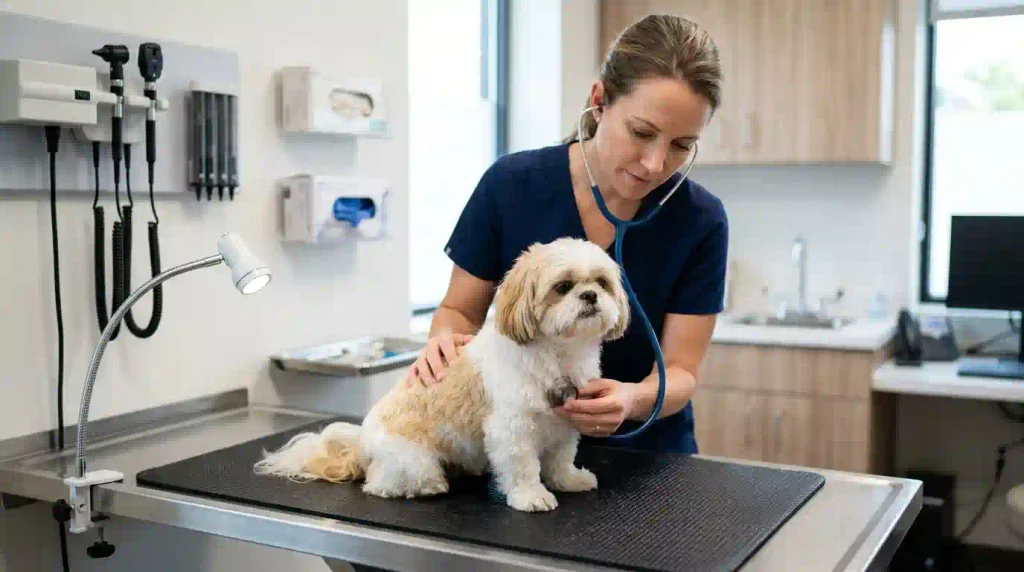
A veterinarian evaluates the dog’s breathing, heart sounds, eyes, ears, mouth, skin, abdomen, body condition, and mobility.
Medical history helps identify changes in behavior, feeding, activity, medications, and previous illness.
12.4 Common Diagnostic Tests for Shih Tzu Health Problems
Depending on symptoms, veterinarians may recommend blood tests, urinalysis, skin cytology, X-rays, ultrasound, ophthalmic testing, or neurological imaging.
Each test should address a clinical question.
Not every Shih Tzu needs every available test.
12.5 Treatment Options for Common Shih Tzu Diseases
Treatment may involve medication, dietary management, rehabilitation, dental procedures, ophthalmic therapy, or surgery.
Some conditions can be cured, while others require lifelong management.
Owners should understand expected benefits, potential complications, and follow-up requirements.
12.6 Managing Chronic Health Conditions
Chronic diseases often need regular monitoring and adjustments to treatment.
Keeping records of medication schedules, symptoms, appetite, and activity can help your veterinarian evaluate progress.
12.7 Anesthesia and Sedation Risks in Brachycephalic Shih Tzus
Short-faced dogs may have increased risks of airway obstruction during sedation, anesthesia, and recovery.
These risks do not mean that necessary procedures should be avoided.
Instead, veterinary teams should plan airway management, appropriate monitoring, and careful recovery.
12.7.1 Preparing Your Shih Tzu for Dental Procedures or Surgery
Before surgery, discuss known breathing problems, previous anesthetic reactions, current medications, and underlying diseases.
Follow the clinic’s specific fasting and medication instructions.
Ask how your dog’s airway will be supported and monitored during recovery.
12.8 When Veterinary Telehealth Can Help
Telehealth may help with questions about previously diagnosed chronic conditions, routine management, and whether symptoms need an in-person examination.
It cannot replace physical testing when serious disease is suspected.
12.8.1 Health Problems That Require In-Person Veterinary Care
Respiratory distress, suspected corneal ulcers, severe abdominal pain, spinal weakness, and urinary obstruction require hands-on assessment.
Emergency symptoms should never be managed solely through photographs or video.
12.9 Common Mistakes to Avoid When Managing Shih Tzu Health Problems
Common mistakes include dismissing noisy breathing, delaying dental care, overlooking persistent eye redness, using unprescribed medication, and assuming limping is normal aging.
Avoid stopping long-term prescriptions without veterinary guidance.
13. How to Keep Your Shih Tzu Healthy
Preventive care cannot eliminate every inherited or age-related condition, but it can improve comfort, support early detection, and reduce avoidable health risks.
13.1 Providing a Balanced and Nutritious Diet
A complete and balanced diet supports healthy body weight, digestion, immune function, and coat quality.
Dietary requirements vary with age, activity, reproductive status, and underlying medical conditions.
13.1.1 What Is the Best Diet for Shih Tzus?
There is no single best food for every Shih Tzu.
Choose a nutritionally complete diet appropriate for your dog’s life stage and medical needs.
Dogs with diagnosed kidney disease, food allergies, or other conditions may benefit from veterinary therapeutic diets.
13.1.2 Feeding Shih Tzu Puppies, Adults, and Seniors
Puppies generally need more frequent feeding and food formulated for growth.
Healthy adults often do well with measured meals at regular times.
Senior feeding plans should consider body condition, muscle mass, activity, and health conditions.
13.1.3 Appropriate Feeding Portions and Nutritional Requirements
Portion sizes depend on the food’s calorie density and your dog’s ideal body weight.
Measure meals rather than estimating by eye.
Treats should remain a small part of total daily calories.
13.2 Daily Exercise and Maintaining a Healthy Weight
Regular activity supports cardiovascular health, mobility, mental stimulation, and weight management.
13.2.1 How Much Exercise Does a Shih Tzu Need?
Many healthy adult Shih Tzus enjoy several short walks and indoor play sessions each day.
Exercise duration should be adjusted to fitness, weather, breathing ability, and joint health.
13.2.2 Safe Exercise for Brachycephalic Dogs
Avoid strenuous activity during hot or humid weather.
Use comfortable harnesses when appropriate, provide frequent breaks, and monitor breathing.
Stop activity immediately if your dog experiences respiratory distress or abnormal exhaustion.
13.3 Maintaining a Consistent Grooming Routine
Regular grooming helps owners notice skin changes, ear irritation, eye discharge, and unusual lumps.
13.3.1 Skin and Coat Care
Brush the coat frequently enough to prevent matting.
Use gentle dog-safe grooming products and check for irritation beneath dense fur.
13.3.2 Eye Cleaning and Maintenance
Gently remove ordinary debris from the surrounding facial fur using suitable pet-safe products.
Avoid touching the corneal surface or using unprescribed eye medication.
13.3.3 Ear Cleaning and Hygiene
Check for odor, discharge, or redness.
Clean the ears only with appropriate products and according to veterinary guidance.
13.3.4 Dental Care and Oral Hygiene
Establish a daily brushing routine when possible.
Regular oral examinations help identify early periodontal disease and other dental problems.
13.4 Mental Well-Being, Training, and Enrichment
Mental health contributes to a Shih Tzu’s overall welfare.
Predictable routines, positive interactions, and suitable enrichment can reduce stress and improve daily comfort.
13.4.1 Activities That Support Mental and Physical Health
Gentle play, scent-based games, short training sessions, and food puzzles can provide stimulation.
Choose activities appropriate for your dog’s physical abilities.
13.4.2 Managing Stress and Behavioral Changes
Sudden behavior changes may reflect pain, illness, fear, or environmental stress.
Investigate possible medical causes before assuming the problem is purely behavioral.
13.5 Creating a Safe and Comfortable Home Environment
Provide non-slip surfaces, safe resting areas, access to clean water, and a comfortable indoor temperature.
Older dogs may benefit from ramps or low-entry beds.
Keep cleaning chemicals, toxic foods, and medications out of reach.
13.6 Scheduling Regular Veterinary Checkups and Preventive Care
Healthy adult dogs should receive regular wellness examinations, with more frequent visits when health conditions or age make them necessary.
Preventive care may include vaccinations, parasite protection, dental assessment, weight monitoring, and recommended diagnostic tests.
For more information, explore our shih tzu health and wellness resources.
13.7 Genetic Health Screening and OFA/CHIC Testing for Shih Tzus
Responsible breeding programs can use health screening to identify potential inherited risks.
In the United States, the Orthopedic Foundation for Animals (OFA) and Canine Health Information Center (CHIC) maintain programs for documenting specific health evaluations.
13.7.1 Eye and Patella Screening for Breeding Dogs
The American Shih Tzu Club’s CHIC protocol includes ophthalmic examination and patellar evaluation as required tests for obtaining a CHIC number.
Cardiac and hip evaluations are optional within that protocol.
Participation is voluntary, and a CHIC number confirms completion of specified screening rather than guaranteeing disease-free offspring.
13.7.2 Questions to Ask a Breeder About Health Test Results
Prospective owners should ask whether the parents have documented eye and patella examinations, whether hereditary diseases have occurred in the family, and whether veterinary records are available.
Responsible breeders should be willing to discuss health history openly.

14. Shih Tzu Healthcare Costs and Financial Planning
Understanding potential veterinary expenses can help owners prepare for both routine and unexpected medical needs.
14.1 Average Treatment Costs for Common Shih Tzu Health Issues
In the United States, costs vary considerably based on location, hospital, specialist involvement, anesthesia, diagnostic tests, and condition severity.
| Veterinary Service | General Cost Considerations |
| Routine examination | Usually among the lower-cost visits |
| Ear or skin infection treatment | Examination, diagnostic testing, and medication |
| Dental cleaning | Anesthesia, monitoring, dental imaging, and treatment |
| Eye surgery | Procedure complexity and specialist care |
| Orthopedic surgery | Imaging, hospitalization, surgery, and rehabilitation |
| Chronic kidney or heart treatment | Repeat testing and ongoing medication |
| Emergency hospitalization | Often substantially more expensive than routine care |
Because prices change and vary significantly, request itemized estimates rather than relying on generalized online figures.
14.2 Veterinary Expenses for Chronic Conditions
Long-term disorders may create recurring costs for medication, follow-up visits, prescription diets, diagnostic testing, or rehabilitation.
Chronic disease management can remain financially significant even when surgery is unnecessary.
14.3 Planning Ahead for Unexpected Vet Bills
An emergency savings fund can help cover unplanned care.
Owners may also compare veterinary financing options and request written treatment estimates.
Financial planning is especially valuable for breeds with potential respiratory, ophthalmic, and orthopedic concerns.
14.4 Pet Insurance for Shih Tzu Health Problems
Pet insurance may help offset eligible accident and illness costs, depending on policy terms.
Coverage varies by provider, deductible, reimbursement structure, waiting period, and exclusions.
14.4.1 What Pet Insurance May Cover
Some policies cover eligible diagnostic testing, hospitalization, surgery, prescription medication, and specialist appointments.
Routine care may require separate wellness coverage.
14.4.2 Hereditary Conditions and Pre-Existing Disease Exclusions
Certain plans cover hereditary conditions if they develop after coverage begins and meet policy requirements.
Pre-existing conditions are commonly excluded, although definitions and exceptions vary.
Read the policy carefully before enrolling.
Frequently Asked Questions About Shih Tzu Health Issues
Do Shih Tzus Have a Lot of Health Problems?
Shih Tzus have several recognized breed-related health risks, but many live healthy lives with appropriate preventive care.
What Is the Most Common Health Problem in Shih Tzus?
Periodontal disease was the most frequently recorded specific diagnosis in the referenced UK VetCompass study.
Why Do Shih Tzus Have Breathing Problems?
Their shortened facial anatomy can create narrowed nostrils, an elongated soft palate, and other upper-airway obstructions.
Are Shih Tzus Prone to Eye Diseases?
Yes, prominent eyes and breed-specific eyelid anatomy increase the risk of several ocular disorders.
What Are the Common Health Problems in Shih Tzu Puppies?
Puppies may experience congenital abnormalities, parasites, infections, retained baby teeth, and early eye or orthopedic problems.
What Health Problems Do Older Shih Tzus Develop?
Senior Shih Tzus may develop dental disease, arthritis, heart disease, kidney problems, and age-related eye disorders.
Do All Shih Tzus Develop BOAS?
No, the severity of airway abnormalities varies, and not every Shih Tzu develops clinically significant BOAS.
Are Shih Tzus Prone to Heart Disease?
Shih Tzus can develop heart disease, including degenerative mitral valve disease, particularly as they age.
Can Shih Tzu Health Issues Be Prevented?
Some risks can be reduced through dental care, weight management, grooming, parasite prevention, responsible breeding, and regular veterinary examinations.
How Often Should I Take My Shih Tzu to the Vet?
Most healthy adults benefit from regular annual wellness examinations, while puppies, seniors, and dogs with chronic disease may need more frequent visits.
What Is the Average Lifespan of a Shih Tzu?
Many Shih Tzus live into their early or mid-teens, although lifespan varies with individual health and care.
When Is a Shih Tzu Health Problem an Emergency?
Severe breathing difficulty, collapse, sudden paralysis, serious eye injury, heatstroke, seizures, or inability to urinate requires immediate veterinary treatment.
15. Final Thoughts: Protecting Your Shih Tzu’s Health and Well-Being
Understanding Shih Tzu health issues is an important part of responsible pet ownership. Although this affectionate breed may be vulnerable to dental disease, eye disorders, breathing problems, allergies, joint conditions, and certain inherited illnesses, many health concerns can be identified early and managed with appropriate veterinary care.
Regular examinations, balanced nutrition, gentle exercise, consistent grooming, dental hygiene, and attention to behavioral changes can help support a healthier, more comfortable life.
Owners should recognize that persistent symptoms are not automatically normal breed characteristics. Breathing difficulty, severe eye pain, sudden weakness, and other emergency signs require immediate action.
Make preventive care a regular priority, keep track of unusual symptoms, and work closely with your veterinarian. For additional breed-specific information, visit our Shit Zhu (Shih Tzu) resource hub and explore practical guides to caring for your companion throughout every life stage.