
Shih Tzu Diarrhea: Causes, Symptoms, and When to Seek Help
Shih Tzu diarrhea is a common digestive problem that can cause loose stools, watery bowel movements, frequent bathroom trips, and discomfort. If you’re wondering, “Why does my Shih Tzu have diarrhea?” possible explanations include sudden dietary changes, eating spoiled food, stress, intestinal parasites, infections, or underlying gastrointestinal conditions. Some Shih Tzus experience a brief episode and recover quickly, while others develop persistent diarrhea accompanied by vomiting, mucus, blood, or dehydration. Because Shih Tzus are small dogs, significant fluid loss can become concerning, particularly in puppies, senior dogs, and pets with existing health conditions. If your Shih Tzu has mild diarrhea but remains active, eats normally, and drinks water, careful monitoring and veterinarian-approved dietary support may be appropriate. However, bloody or black stools, repeated vomiting, marked weakness, a painful abdomen, or suspected toxin ingestion require prompt veterinary attention. This guide explains the different types of diarrhea, common causes, warning signs, safe home-care options, veterinary treatments, and practical ways to reduce future digestive problems.
Important: Severe bloody diarrhea, collapse, repeated vomiting with weakness, or signs of significant dehydration may indicate a medical emergency. Seek immediate veterinary care rather than attempting home remedies.
Table of Contents
- What Is Diarrhea in Shih Tzus?
- Signs and Symptoms to Watch For
- What Causes Diarrhea in Shih Tzus?
- Large-Bowel vs. Small-Bowel Diarrhea
- Diarrhea in Shih Tzu Puppies
- When to Call a Veterinarian
- How a Veterinarian Diagnoses Diarrhea
- How to Care for a Shih Tzu With Mild Diarrhea
- Veterinary Treatment for Diarrhea
- How to Help Prevent Future Episodes
- Frequently Asked Questions
- Final Thoughts
What Is Diarrhea in Shih Tzus?
Diarrhea occurs when the digestive tract produces abnormally loose or watery feces. It may involve increased intestinal fluid secretion, reduced water absorption, inflammation, or changes in how quickly material moves through the intestines.
A Shih Tzu with diarrhea may need to defecate more frequently, struggle to hold its stool, or have accidents indoors.
Diarrhea is a symptom rather than a disease itself, meaning several different conditions can cause it.
How Diarrhea Differs From Normal Stool
Healthy Shih Tzu stool is generally brown, formed, and moist enough to pass comfortably while maintaining its shape.
Diarrhea is usually softer than normal stool and may appear mushy, completely watery, or mixed with mucus.
Stool consistency can provide useful clues about digestive health.
| Stool appearance | What it may indicate |
| Firm, formed, brown stool | Generally normal digestive function |
| Soft but formed stool | Mild digestive changes or normal variation |
| Mushy, poorly formed stool | Mild to moderate diarrhea |
| Completely watery stool | Significant intestinal fluid loss |
| Stool containing mucus | Possible large-bowel inflammation |
| Bright red blood in stool | Bleeding or inflammation involving the lower digestive tract, although other sources are possible |
| Black, tarry stool | Possible digested blood from gastrointestinal bleeding |
Stool appearance alone cannot identify the exact cause of diarrhea.
For example, mucus may occur with colitis, while watery stool may result from dietary changes, infections, or other intestinal disorders.
Acute, Chronic, and Recurring Diarrhea
Veterinarians describe diarrhea based partly on its duration and pattern.
Acute diarrhea begins suddenly and typically lasts a relatively short period, often several days. Dietary indiscretion, stress, and gastrointestinal infections are common possibilities.
Chronic diarrhea persists for an extended period, commonly defined as three weeks or longer, and may be associated with chronic intestinal disease, malabsorption, or systemic illness.
Recurring diarrhea involves repeated episodes separated by periods of normal or improved stool.
A Shih Tzu experiencing recurring diarrhea may need additional diagnostic testing even when individual episodes seem mild.
Signs and Symptoms to Watch For
Diarrhea in Shih Tzu dogs may involve more than changes in stool consistency.
Observing accompanying symptoms helps determine whether the problem is mild or potentially serious.
Changes in Stool Consistency, Frequency, and Volume
A Shih Tzu with diarrhea may pass stool more frequently than usual.
Some dogs produce large quantities of watery feces, while others repeatedly pass small amounts of loose stool.
Owners may notice unusual stool color, increased gas, an unpleasant odor, or accidents inside the house.
A single soft bowel movement does not necessarily indicate significant illness.
However, repeated watery stools or worsening frequency can lead to dehydration and should be monitored closely.
Urgency, Straining, and Mucus or Blood in the Stool
A dog with intestinal inflammation may suddenly need to defecate and struggle to hold its stool.
Repeated squatting, straining, or producing small amounts of mucus-covered feces may suggest irritation of the colon.
Fresh red blood, known as hematochezia, can occur when bleeding develops in the lower digestive tract.
Owners searching for “Why is my Shih Tzu pooping blood?” should understand that possible causes include colitis, parasites, infections, and more serious gastrointestinal conditions.
A Shih Tzu with diarrhea and mucus may have large-bowel inflammation, but veterinary assessment is important when symptoms persist or blood appears.
Vomiting, Abdominal Pain, Lethargy, and Loss of Appetite
Shih Tzu diarrhea and vomiting occurring together are more concerning than an isolated loose bowel movement.
These symptoms may accompany gastroenteritis, pancreatitis, intestinal obstruction, toxin exposure, or other illnesses.
Abdominal pain may cause restlessness, whining, trembling, or unusual postures.
Some dogs stretch their front legs forward while keeping their hindquarters raised, sometimes called a prayer position.
Persistent vomiting, loss of appetite, or marked lethargy requires prompt veterinary attention.
Dehydration and Other Complications
Diarrhea causes the body to lose water and electrolytes.
Significant losses can contribute to dehydration, weakness, and disturbances in normal body function.
Potential warning signs include dry or sticky gums, reduced urination, unusual tiredness, sunken-looking eyes, and poor skin elasticity.
However, these signs are not always reliable, particularly in older dogs.
Severe dehydration may affect blood circulation and become life-threatening.
Because Shih Tzus are small dogs, puppies and medically vulnerable individuals may deteriorate more quickly when fluid loss is substantial.

What Causes Diarrhea in Shih Tzus?
Shih Tzu diarrhea has many possible causes, ranging from temporary dietary problems to infections and chronic intestinal diseases.
Understanding these possibilities helps explain why treatment should depend on the underlying diagnosis.
Dietary Indiscretion, Spoiled Food, or Toxins
Dietary indiscretion refers to eating something inappropriate or unfamiliar.
A Shih Tzu may develop diarrhea after consuming food from the trash, spoiled leftovers, contaminated water, or unfamiliar outdoor materials.
Dogs may also swallow foreign objects that irritate or obstruct the gastrointestinal tract.
Certain substances are toxic and require immediate attention.
Examples include chocolate, grapes, raisins, xylitol-containing products, and some household chemicals.
If your Shih Tzu may have swallowed a toxic substance, contact a veterinarian or animal poison-control service immediately.
Do not wait for diarrhea to develop or attempt to induce vomiting without professional instructions.
Sudden Food Changes, Rich Foods, and Food Intolerance
A sudden change in dog food can temporarily disrupt digestive function.
Introducing a new kibble, wet food, treat, or protein source without a gradual transition may result in loose stool or excessive gas.
Rich, fatty foods and table scraps can also cause gastrointestinal upset.
Some dogs experience food intolerance, meaning they have difficulty tolerating a particular ingredient without necessarily having an immune-mediated allergy.
This differs from the immune responses involved in some cases of shih tzu allergies.
Repeated diarrhea associated with food should be investigated before making major or prolonged dietary restrictions.
Stress and Changes in the Home Environment
Stress can influence intestinal movement and digestive function.
Travel, boarding, unfamiliar visitors, changes in household routines, or separation from family members may trigger temporary digestive symptoms.
Some Shih Tzus develop loose stools after particularly exciting or stressful events.
Stress-related diarrhea should generally improve as the dog’s routine stabilizes.
However, persistent diarrhea should not automatically be blamed on anxiety because infections and other medical conditions can produce similar symptoms.
Medication Side Effects
Certain medications can cause gastrointestinal upset.
Antibiotics may alter intestinal microbial populations and contribute to soft stool or diarrhea.
Nonsteroidal anti-inflammatory drugs (NSAIDs) can also cause digestive adverse effects, including potentially serious gastrointestinal irritation or bleeding.
Other prescription medications may affect appetite or bowel habits.
If diarrhea begins after starting a medication, contact the prescribing veterinarian.
Do not stop, adjust, or replace prescribed treatments without veterinary guidance.
Bacterial, Viral, and Parasitic Infections
Gastrointestinal infections are important causes of diarrhea.
Potential bacterial pathogens include Salmonella and certain pathogenic strains of Escherichia coli.
However, some bacteria naturally inhabit the intestinal tract, so their presence in a test does not always prove that they caused the illness.
Viral infections, including canine parvovirus and canine distemper, may produce gastrointestinal symptoms.
Parvovirus is particularly dangerous for young or incompletely vaccinated puppies.
Intestinal parasites are another important possibility.
Common examples include Giardia, coccidia, roundworms, hookworms, and whipworms. Tapeworms can also affect dogs, although they are not among the most typical causes of significant diarrhea.
Some parasites cause intermittent symptoms, making appropriate fecal testing important.
Inflammatory Bowel Disease, Colitis, and Other Intestinal Conditions
Colitis refers to inflammation of the large intestine, particularly the colon.
It commonly causes frequent small-volume bowel movements, urgency, straining, mucus, and sometimes fresh blood.
Chronic inflammatory enteropathy is a broader term for persistent intestinal inflammation and related digestive problems.
Inflammatory bowel disease is generally used for certain chronic inflammatory conditions diagnosed after appropriate investigation.
These disorders may cause recurrent diarrhea, vomiting, weight loss, and poor nutrient absorption.
Irritable bowel syndrome is a separate functional disorder and should not be confused with inflammatory bowel disease.
Diagnosis may require dietary trials, laboratory testing, imaging, and sometimes intestinal biopsies.
Pancreatitis, Organ Disease, and Cancer
Pancreatitis occurs when the pancreas becomes inflamed.
Affected dogs may develop vomiting, diarrhea, abdominal pain, reduced appetite, and lethargy.
Fatty meals can be a contributing factor in some dogs, although pancreatitis has several possible causes.
Liver disease, kidney disease, and other forms of organ dysfunction may also affect digestion.
Certain endocrine disorders can cause gastrointestinal symptoms. For example, Shih Tzu Cushing’s Disease may be associated with broader metabolic changes, although diarrhea is not its defining symptom.
Cancer affecting the intestines or other internal organs can occasionally cause persistent digestive symptoms.
This is different from conditions involving external growths, such as Shih Tzu Skin Cancer.
Recurring diarrhea, unexplained weight loss, and persistent appetite changes warrant veterinary investigation.
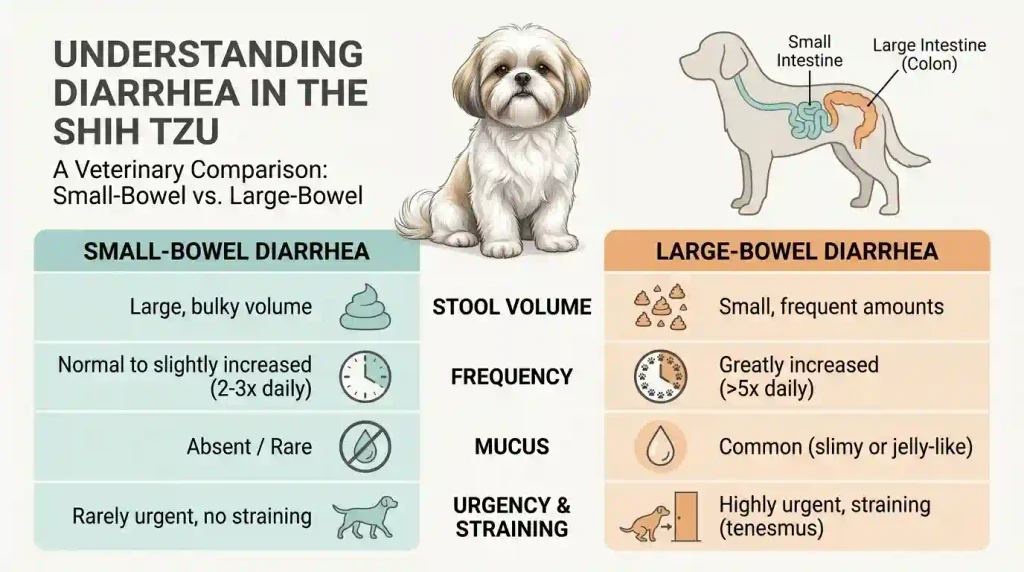
Large-Bowel vs. Small-Bowel Diarrhea
Veterinarians often distinguish diarrhea affecting the large intestine from diarrhea involving the small intestine.
These patterns can help guide diagnostic decisions, although some dogs have inflammation affecting both areas.
Signs of Large-Bowel Diarrhea
Large-bowel diarrhea often involves the colon.
Common features include frequent bowel movements, sudden urgency, straining, and passing relatively small amounts of stool.
Mucus and bright red blood may also appear.
A Shih Tzu with large-bowel diarrhea may repeatedly ask to go outside but produce only small quantities each time.
Owners sometimes mistake this straining for constipation.
If you’re concerned that my shih tzu is constipated, remember that inflammation of the colon can cause similar repeated squatting.
Signs of Small-Bowel Diarrhea
Small-bowel diarrhea generally involves larger stool volumes and may occur without the same degree of urgency or straining.
Some dogs experience weight loss, vomiting, excessive gas, or changes in appetite.
Digested blood may occasionally produce black, tarry stool, known as melena.
These findings are concerning and should not be managed as uncomplicated diarrhea.
The table below summarizes common patterns.
| Feature | Large-bowel diarrhea | Small-bowel diarrhea |
| Stool volume | Usually smaller amounts | Normal to increased amounts |
| Bowel frequency | Often markedly increased | Normal to moderately increased |
| Urgency | Common | Less common |
| Straining | Common | Less common |
| Mucus | Often present | Less common |
| Bright red blood | May occur | Less typical |
| Weight loss | Less common | More likely with chronic disease |
These differences are general patterns rather than diagnostic rules.
Diarrhea in Shih Tzu Puppies
Diarrhea in puppies requires particular attention because young dogs have smaller fluid reserves and may become seriously ill more quickly than healthy adults.
Why Puppies Can Become Seriously Ill Quickly
Young puppies can lose significant water and electrolytes through repeated watery stools.
They may also have limited energy reserves, particularly if they stop eating.
A puppy experiencing diarrhea with vomiting, reduced appetite, or weakness needs prompt veterinary assessment.
Avoid fasting young puppies or attempting prolonged home treatment.
Breeders researching topics such as How many puppies can a Shih Tzu have should also understand that monitoring feeding, hydration, stool consistency, and weight gain is essential during early development.
Parvovirus and Other Urgent Causes
Canine parvovirus is a highly contagious viral disease that can cause severe gastrointestinal illness.
Symptoms may include vomiting, lethargy, loss of appetite, dehydration, and diarrhea that may become bloody.
Unvaccinated or incompletely vaccinated puppies are particularly vulnerable.
Other serious causes include intestinal parasites, gastrointestinal infections, toxin exposure, and swallowed foreign objects.
If your Shih Tzu puppy develops repeated diarrhea, especially with vomiting or weakness, contact a veterinarian promptly.
Keep a potentially infectious puppy away from other dogs until veterinary guidance is available.
When to Call a Veterinarian
Although some cases of mild diarrhea improve quickly, waiting is not always appropriate.
The duration, severity, age of the dog, and accompanying symptoms determine how urgently care is needed.
Diarrhea That Persists, Recurs, or Worsens
Contact your veterinarian if diarrhea continues beyond approximately 24 hours without clear improvement or sooner if frequent watery stools are occurring.
If your Shih Tzu repeatedly develops diarrhea over several weeks, veterinary testing may be necessary even when symptoms temporarily disappear.
Chronic or recurring diarrhea can reflect food-related disease, parasites, intestinal inflammation, or other underlying conditions.
Blood or Black, Tarry Stool
A Shih Tzu pooping blood requires veterinary attention.
Small streaks of bright red blood may accompany colitis or irritation, but they should not automatically be considered harmless.
Profuse bloody diarrhea, repeated blood loss, or blood accompanied by weakness or vomiting requires urgent care.
Black, sticky, tarry stool may indicate digested blood from gastrointestinal bleeding and needs prompt veterinary assessment.
Bleeding near the anus may also originate from a local condition, including disease involving Shih Tzu anal glands.
An examination is needed to identify the actual source.
Diarrhea With Vomiting, Weakness, Pain, or Loss of Appetite
Shih Tzu vomiting and diarrhea together can cause substantial fluid loss.
When accompanied by abdominal pain, refusal to eat, or pronounced weakness, these symptoms may indicate more than a simple dietary upset.
A painful, hunched posture may reflect gastrointestinal discomfort, although spinal disorders such as IVDD in Shih Tzu dogs can also cause unusual postures and mobility changes.
Do not assume abdominal pain is harmless or caused solely by diarrhea.
Signs of Dehydration or Possible Toxin or Foreign-Object Ingestion
Seek veterinary advice promptly if your dog has sticky gums, reduced urination, weakness, or difficulty keeping water down.
Suspected poisoning or ingestion of a foreign object requires immediate veterinary contact, even before serious symptoms appear.
Do not induce vomiting or administer human medications unless directed by a veterinarian.
How Age and Existing Health Conditions Affect Urgency
Puppies, senior Shih Tzus, and dogs with chronic illnesses may tolerate fluid loss less effectively.
Pets with kidney disease, heart disease, diabetes, or other medical conditions may require individualized management.
Dogs already experiencing shih-tzu breathing problems or recurring shih tzu coughing should have their overall health considered when new digestive symptoms develop.
A lower threshold for veterinary assessment is appropriate for medically vulnerable dogs.
When Diarrhea Is an Emergency
Seek emergency veterinary care if your Shih Tzu experiences severe bloody diarrhea, collapse, marked weakness, repeated vomiting with inability to retain water, or a severely painful or swollen abdomen.
Suspected toxin ingestion, intestinal obstruction, or severe dehydration can also be emergencies.
Do not delay treatment while trying home remedies.
How a Veterinarian Diagnoses Diarrhea
Veterinarians diagnose the underlying cause of diarrhea by combining medical history, physical examination, and testing when appropriate.
Medical History and Physical Examination
Your veterinarian may ask when diarrhea started, how frequently your Shih Tzu defecates, and whether the stool contains mucus or blood.
Recent food changes, medications, travel, contact with other animals, and possible toxin exposure are important.
The examination includes assessing hydration, body condition, abdominal discomfort, temperature, and general health.
Stool Testing for Parasites and Infection
Fecal testing can help identify intestinal parasites such as roundworms, hookworms, Giardia, and coccidia.
Different parasites may require different tests.
A fecal flotation test can identify certain parasite eggs or oocysts, while antigen tests and molecular methods may be useful for other organisms.
Some infections require specialized testing.
A negative result does not always exclude every parasite, particularly if organisms are shed intermittently.
Bloodwork, Urinalysis, and Imaging When Needed
Blood tests can help assess hydration-related changes, electrolyte abnormalities, inflammation, and organ function.
Urinalysis may provide additional information about kidney function or other systemic conditions.
Abdominal radiographs or ultrasound may be recommended when foreign-object ingestion, obstruction, pancreatitis, masses, or persistent intestinal disease is suspected.
Not every mild episode requires extensive testing.
What to Record Before Calling the Vet
Track the number of diarrhea episodes, stool appearance, appetite, water intake, vomiting, and changes in energy.
A simple symptom log can help.
| Observation | What to record |
| Diarrhea began | Date and approximate time |
| Stool frequency | Number of bowel movements |
| Stool appearance | Soft, watery, mucus, blood, or unusual color |
| Appetite | Normal, reduced, or absent |
| Water intake | Normal, reduced, or increased |
| Other symptoms | Vomiting, weakness, pain, or fever |
| Recent changes | Food, treats, medications, travel, or stress |
Take photographs of unusual stool when helpful, especially if blood or mucus is present.
How to Collect and Bring a Stool Sample
Use a clean disposable bag or container to collect a small fresh stool sample.
Avoid contamination from soil, grass, or other materials.
Wear gloves when possible and wash your hands afterward.
Store the sample in a sealed container and follow your veterinarian’s instructions about refrigeration and delivery timing.
A fresh sample is generally preferable, especially when investigating intestinal parasites.
How to Care for a Shih Tzu With Mild Diarrhea
Limited home care may be appropriate for an otherwise healthy adult Shih Tzu with a brief episode of mild diarrhea, provided the dog is active, drinking normally, and has no warning signs.
Home care is not suitable for severe diarrhea, repeated vomiting, significant blood in stool, marked weakness, or suspected poisoning.
Keep Fresh Water Available and Monitor Symptoms
Make sure clean drinking water is readily available.
Observe whether your Shih Tzu is drinking normally and producing urine.
Take the dog outside frequently to reduce accidents and monitor bowel movements.
Do not force water into the mouth or use homemade electrolyte mixtures without veterinary instructions.
If the dog cannot keep water down or appears dehydrated, seek veterinary attention.
Use a Bland, Digestible Diet When Appropriate
If your veterinarian recommends temporary dietary management, a commercially prepared veterinary gastrointestinal diet is often a suitable choice.
These diets are designed to support digestion while providing appropriate nutrition.
For some dogs, a veterinarian may approve a short-term homemade bland diet containing plain boiled skinless chicken and white rice.
However, chicken and rice are not nutritionally complete for long-term feeding and may be unsuitable for dogs with certain food sensitivities.
Do not add oil, seasoning, onion, garlic, or rich sauces.
Plain canned pumpkin may sometimes be recommended as a fiber source, but it is not a universal Shih Tzu diarrhea home remedy.
Avoid fasting puppies, seniors, or medically fragile dogs. Prolonged withholding of food is generally not recommended without veterinary direction.
Transition Gradually Back to Regular Food
As stool becomes normal and your Shih Tzu’s appetite returns, gradually transition back to the usual balanced diet.
Mix increasing proportions of regular food with the temporary gastrointestinal diet over several days, following your veterinarian’s instructions.
A sudden return to rich treats or large meals may trigger another episode.
If diarrhea returns during the transition, contact your veterinarian.
Track Symptoms to See Whether Home Care Is Helping
Watch for fewer bowel movements, improved stool consistency, normal energy, and continued drinking.
Improvement should be noticeable within a short period in uncomplicated cases.
For additional veterinary guidance, the Cornell University College of Veterinary Medicine guide to diarrhea in dogs explains common causes, home-care considerations, and warning signs.
When to Stop Home Care and Contact the Vet
Stop home management if diarrhea becomes more frequent, blood appears, vomiting develops, or your Shih Tzu becomes weak or uncomfortable.
Contact your veterinarian if mild diarrhea is not clearly improving within approximately 24 hours.
Do not give human anti-diarrheal medicines such as Imodium (loperamide) or Pepto-Bismol (bismuth subsalicylate) without veterinary approval.
These products can be inappropriate or harmful depending on the dog’s medical condition, medication history, and the cause of diarrhea.
Veterinary Treatment for Diarrhea
Treatment is directed toward the underlying cause, the severity of illness, and the dog’s hydration status.
Treatment Based on the Underlying Cause
A veterinarian may prescribe deworming medication when intestinal parasites are identified or strongly suspected.
Specific infections may require targeted treatment.
Antibiotics are not routinely necessary for every case of acute diarrhea and may sometimes worsen digestive disturbances.
Dogs with pancreatitis, chronic intestinal disease, foreign-body obstruction, or organ dysfunction may require more specialized care.
The goal is to address the cause rather than simply stopping bowel movements.
Fluids for Dehydration
Dogs with mild dehydration may improve with appropriate oral fluid intake when they can drink normally.
More significant dehydration may require subcutaneous fluids or intravenous fluid therapy.
Hospitalized dogs may also need monitoring of electrolytes, circulation, and urine production.
Severe dehydration is especially concerning in puppies and small dogs because fluid losses can become clinically important quickly.
Diet Changes, Probiotics, and Prescribed Medication
Veterinarians may recommend a gastrointestinal prescription diet, an appropriate probiotic, or medication to control nausea.
Anti-diarrheal medications may be used in selected circumstances when their benefits outweigh potential risks.
Dogs with chronic diarrhea may require an elimination diet, a hydrolyzed protein diet, or another specialized nutritional plan.
Treatment should be individualized rather than based on a universal home remedy.

How to Help Prevent Future Episodes
Although not every episode of diarrhea can be prevented, consistent nutrition, hygiene, veterinary care, and a predictable routine may reduce avoidable digestive problems.
Make Food Transitions Gradually
Avoid suddenly switching between different dog foods.
When changing diets for a healthy dog, gradually mix the new food with the previous diet over approximately seven to ten days, adjusting the schedule according to tolerance and veterinary advice.
Introduce unfamiliar treats cautiously.
Dogs with recurring digestive problems may need a more individualized feeding plan.
Limit Access to Spoiled Food, Trash, and Toxins
Keep household trash secured and avoid feeding spoiled leftovers or fatty table scraps.
Store medications, cleaning products, and toxic foods out of reach.
Prevent access to chocolate, grapes, raisins, and xylitol-containing products.
Supervise dogs that frequently chew or swallow household objects.
Follow Veterinary Guidance on Parasite Prevention and Vaccination
Maintain an appropriate parasite prevention schedule based on veterinary recommendations.
Regular fecal examinations may help identify intestinal parasites before symptoms become severe.
Keep vaccinations current, particularly those protecting against serious infections such as canine parvovirus.
Owners reviewing general shih tzu health and wellness information should include digestive health and parasite prevention in their routine care plans.
Reduce Stress and Monitor Stool Changes
Maintain predictable feeding, exercise, and bathroom routines whenever possible.
Provide a calm environment during travel, boarding, or household changes.
Monitor stool frequency and consistency, particularly after introducing new food.
If your Shih Tzu repeatedly experiences diarrhea during stressful events, discuss possible management strategies with your veterinarian.
Clean Up Diarrhea and Reduce Household Exposure to Infection
Remove feces promptly from indoor areas and outdoor spaces.
Use gloves when handling contaminated materials and wash your hands thoroughly with soap and water afterward.
Clean affected surfaces using suitable pet-safe products, following directions for any disinfectant.
Wash soiled bedding and grooming materials appropriately.
Shih Tzus with long coats may require gentle cleaning around the rear after diarrhea.
Owners searching for breed-care information using the alternative spelling Shit Zhu should recognize that hygiene and digestive monitoring are essential parts of responsible dog ownership.
If an infectious cause is suspected, keep the affected dog separated from other pets as recommended by the veterinarian.
Frequently Asked Questions About Shih Tzu Diarrhea
Why Does My Shih Tzu Have Diarrhea?
Common causes include dietary changes, spoiled food, stress, parasites, infections, food intolerance, and underlying intestinal disease.
What Can I Give My Shih Tzu for Diarrhea?
For mild diarrhea, fresh water and a veterinarian-approved gastrointestinal diet may help; do not give medications or supplements without veterinary guidance.
Why Is My Shih Tzu Pooping Watery Stool?
Watery stool can develop when intestinal fluid absorption is reduced or intestinal secretion increases because of dietary problems, infection, or inflammation.
Why Is My Shih Tzu Pooping Blood?
Blood may occur with colitis, parasites, infections, or more serious gastrointestinal conditions and requires veterinary assessment.
Is Shih Tzu Diarrhea With Mucus Serious?
Mucus may indicate large-bowel inflammation, but persistent mucus, blood, pain, or repeated diarrhea should be evaluated by a veterinarian.
Can Stress Cause Diarrhea in Shih Tzus?
Yes, changes in routine, travel, anxiety, and unfamiliar environments can trigger temporary digestive disturbances in some dogs.
How Long Does Shih Tzu Diarrhea Usually Last?
Mild uncomplicated diarrhea may improve within a day or two, but contact a veterinarian if it is not clearly improving within about 24 hours or if concerning symptoms appear.
Should I Give My Shih Tzu Pepto-Bismol or Imodium?
No, human anti-diarrheal medications should not be given without veterinary approval because they may be unsafe or inappropriate.
When Is Shih Tzu Diarrhea an Emergency?
Severe bloody diarrhea, collapse, repeated vomiting with weakness, significant dehydration, a severely painful abdomen, or suspected toxin ingestion requires emergency veterinary care.
Final Thoughts: Helping Your Shih Tzu Recover From Diarrhea
Shih Tzu diarrhea can develop for many reasons, including sudden food changes, infections, intestinal parasites, stress, and chronic digestive conditions. While a brief episode of loose stool may resolve with appropriate supportive care, persistent watery diarrhea, bloody stool, vomiting, or dehydration should never be ignored.
The safest approach is to monitor stool changes, maintain access to fresh water, avoid unapproved medications, and seek veterinary advice when symptoms continue or worsen.
A balanced diet, gradual food transitions, parasite prevention, and good hygiene can help support healthy digestion.
If your Shih Tzu has diarrhea, begin by assessing its overall condition and recording the symptoms. Early veterinary care when needed can prevent complications, identify the underlying cause, and help your dog return to normal bowel movements comfortably.