
Shih Tzu Anal Glands: Symptoms, Causes, Treatment, and Prevention
Shih Tzu anal glands can cause uncomfortable and sometimes painful problems when they become blocked, inflamed, or infected. If your Shih Tzu keeps scooting across the floor, licking its rear end, releasing a strong fishy odor, or struggling during bowel movements, its anal sacs may need veterinary attention. These two small scent-producing structures normally release fluid during defecation, but some dogs develop anal sac impaction, infection, or painful abscesses when the sacs fail to empty properly. Small dog breeds, including Shih Tzus, can be susceptible to these conditions, although not every Shih Tzu will experience them. Fortunately, many anal gland problems are manageable with early diagnosis, professional treatment, appropriate nutrition, and attention to underlying health conditions. This guide explains how to recognize the warning signs, understand possible causes, distinguish anal gland disease from other problems, and know when professional care is necessary. You’ll also learn whether routine expression is appropriate, what treatments veterinarians recommend, and how to reduce the likelihood of recurring discomfort.
Table of Contents
- Do Shih Tzus Have Anal Gland Problems?
- What Are Anal Glands in Dogs?
- Types of Anal Gland Problems in Dogs
- Signs and Symptoms of Anal Gland Problems
- Is It an Anal Gland Problem or Something Else?
- What Causes Anal Gland Problems in Shih Tzus?
- How Veterinarians Diagnose Anal Gland Problems
- Treatment for Shih Tzu Anal Gland Problems
- Who Should Express Your Shih Tzu’s Anal Glands?
- Preventing Recurring Anal Gland Problems
- When to Contact a Veterinarian
- Frequently Asked Questions
- Final Thoughts
Do Shih Tzus Have Anal Gland Problems?
Yes, Shih Tzus can develop anal gland problems, including blocked anal sacs, inflammation, infections, and abscesses.
Anal sac disease can occur in any dog, but small breeds are generally more susceptible to certain anal sac disorders than large breeds. Because the Shih Tzu is a small companion breed, owners should be familiar with the symptoms.
However, having a Shih Tzu does not automatically mean the dog will develop anal gland disease or require regular anal gland expression.
Many healthy Shih Tzus empty their anal sacs naturally throughout their lives without professional intervention.
Problems may arise when the fluid does not drain normally, allowing the sacs to become overly full or inflamed.
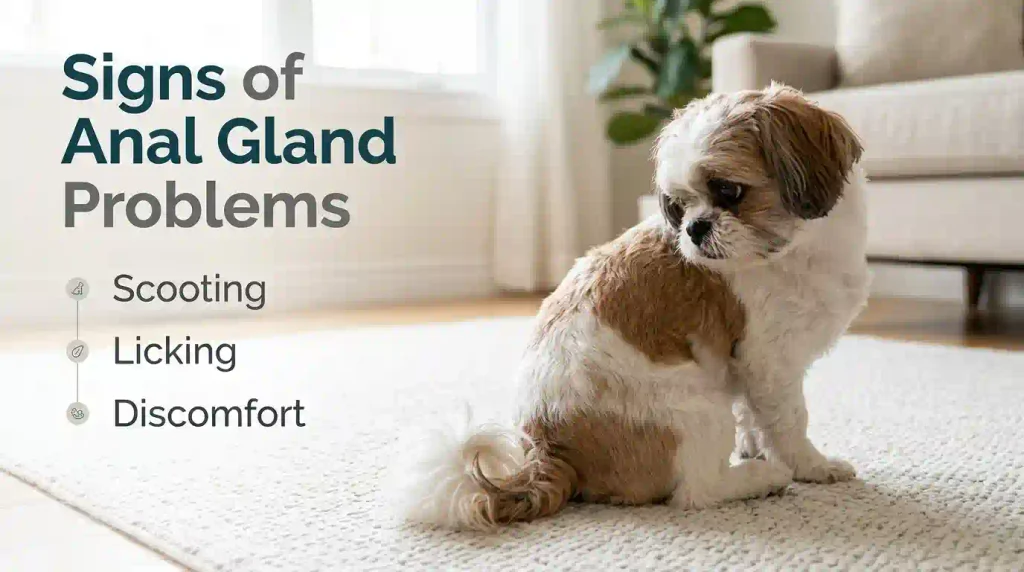
Common warning signs include:
- Scooting or dragging the bottom across carpets or floors.
- Excessive licking or chewing around the anus.
- A persistent fishy or unpleasant odor.
- Discomfort while sitting or passing stool.
- Redness, swelling, or discharge near the anal opening.
- Repeated attempts to defecate or signs of pain.
These symptoms are not exclusive to anal gland disease. Grooming problems, parasites, and skin conditions can produce similar behavior.
That is why a veterinary examination is important before assuming that anal gland expression will solve the problem.
For Shih Tzu owners, recognizing unusual behavior early is one of the most useful steps toward preventing a minor problem from becoming a painful infection.
What Are Anal Glands in Dogs?
Anal glands, more accurately called anal sacs, are two small structures located near a dog’s anus.
They contain glands that produce a distinctive, strong-smelling secretion.
This secretion is stored inside the sacs and released through narrow openings called anal sac ducts.
Although owners commonly use the terms anal glands and anal sacs interchangeably, the glands produce the fluid while the sacs store it.
These structures are a normal part of canine anatomy and are present in both male and female dogs.
Where Are the Anal Glands Located?
A dog’s anal sacs sit just beneath the skin on opposite sides of the anal opening.
Veterinarians commonly describe their location using a clock-face comparison.
Imagine looking directly at the dog’s anus as the center of a clock:
- One anal sac is positioned at approximately 4 o’clock.
- The other is positioned at approximately 8 o’clock.
Each sac connects to the anal opening through a small duct that allows fluid to drain.
Because these structures are located beneath the skin, they are not usually visible during a routine look at a healthy dog’s rear end.
In dogs with anal sac impaction, the sacs may become enlarged and uncomfortable.
If an infection progresses, the surrounding tissue may become red, swollen, and painful.
Owners should not attempt to squeeze a suspected swollen gland to determine whether it is full. Inflamed or abscessed tissue can be damaged by pressure.

What Do the Anal Glands Do?
Anal sacs produce fluid that contains a dog’s individual scent information.
This fluid is thought to help dogs communicate through scent marking.
During normal defecation, pressure associated with passing stool can help release small amounts of anal sac fluid.
The secretions have a strong odor, often described as fishy or musky.
Dogs may use these scent signals to communicate information about themselves to other dogs.
Anal sac fluid can also be released when a dog is frightened, nervous, or excited.
An occasional odor after a stressful event does not necessarily indicate disease.
However, repeated leakage, persistent odor, or discomfort deserves veterinary assessment.
The exact biological purpose of anal sacs is not fully understood, but scent communication is considered one of their likely functions.
Types of Anal Gland Problems in Dogs
Anal sac disease describes several different conditions affecting the glands and surrounding tissues.
Understanding the differences is important because a simple impaction and a ruptured abscess require very different approaches.
Anal Gland Impaction
Anal gland impaction occurs when anal sac fluid is not released normally and builds up inside the sacs.
As fluid accumulates, the contents may become thicker and more difficult to discharge.
The sacs can enlarge, creating pressure and discomfort around the anus.
A Shih Tzu with impacted anal glands may scoot, lick its rear end, or appear uncomfortable when sitting.
Possible contributing factors include changes in stool consistency, reduced natural emptying, inflammation, or anatomical differences.
A veterinarian can determine whether the sacs are impacted and whether professional manual expression is appropriate.
Repeated impaction should prompt an investigation into underlying causes rather than relying exclusively on frequent emptying.
Anal Sacculitis and Infection
Anal sacculitis refers to inflammation of the anal sacs.
Inflammation may occur with or without bacterial infection.
When an anal sac becomes impacted, retained secretions can contribute to irritation and create conditions that favor bacterial overgrowth.
An anal sac infection may cause:
- Increased discomfort around the anus.
- Repeated licking or scooting.
- Unusual discharge.
- Swelling or tenderness.
- Pain while passing stool.
- Changes in the appearance of anal sac fluid.
A veterinarian may examine the anal sac contents under a microscope to help identify inflammation or infection.
Treatment can involve professional expression, flushing, medication placed inside the affected sac, or additional medication when clinically indicated.
Antibiotics are not automatically necessary for every blocked anal sac. The veterinarian selects treatment according to the examination findings.
Anal Gland Abscess and Rupture
An anal sac abscess develops when infection results in a painful collection of pus.
The affected area may become swollen, red, warm, and extremely sensitive.
As pressure builds, an abscess can rupture through the skin beside the anus.
A ruptured anal sac may produce bloody, yellowish, or pus-like discharge.
The resulting wound can look alarming, and the dog may experience significant discomfort.
An anal gland abscess or ruptured anal sac requires prompt veterinary treatment.
Treatment may include drainage, wound management, antibiotics, pain medication, and follow-up examinations.
Some dogs require sedation or anesthesia for painful procedures.
Owners should never attempt to lance, puncture, squeeze, or drain an abscess at home.
Even if an abscess ruptures and pressure decreases, the underlying infection and wound still require professional attention.
Anal Gland Cancer
Anal gland cancer is much less common than routine impaction or inflammation, but it is a serious condition.
The best-known malignant tumor affecting these structures is anal sac adenocarcinoma, also called apocrine gland anal sac adenocarcinoma.
This cancer arises from glandular cells associated with the anal sac.
It is most often diagnosed in older dogs, although age alone cannot confirm or exclude the condition.
Anal sac adenocarcinoma can invade surrounding tissue and may spread to regional lymph nodes or other parts of the body.
Some tumors also cause elevated blood calcium levels, a condition called hypercalcemia.
Cancer cannot be diagnosed by appearance alone.
A veterinarian may recommend cell sampling or biopsy, blood tests, and imaging when a suspicious mass is detected.
Early assessment is particularly important because some tumors cause few obvious symptoms initially.
Signs That May Suggest Cancer Rather Than Routine Impaction
There is substantial overlap between the symptoms of anal sac tumors, impaction, and infection.
However, certain findings may increase concern and justify additional testing.
These include:
- A persistent firm mass near the anus.
- An enlarged anal sac that cannot be emptied normally.
- A swelling that remains after appropriate treatment.
- Recurring difficulty passing stool.
- Unexplained weight loss or reduced appetite.
- Increased thirst and urination.
- Unusual weakness or lethargy.
Excessive drinking or urination may occur when certain tumors cause elevated blood calcium, although these signs have many other possible causes.
An anal sac tumor may also be painless, so the absence of obvious discomfort does not rule it out.
A veterinary examination is essential to distinguish cancer from inflammatory disease.
Signs and Symptoms of Anal Gland Problems
The symptoms of anal sac disease vary depending on whether the sacs are impacted, inflamed, infected, or abscessed.
Some Shih Tzus show subtle changes, while others develop obvious pain or swelling.
Scooting and Bottom Dragging
Scooting occurs when a dog drags its rear end across the floor, carpet, grass, or another surface.
This behavior may be an attempt to relieve itching, pressure, or irritation.
A Shih Tzu may scoot once after a bowel movement without having a significant medical problem.
However, repeated scooting, especially when accompanied by licking or discomfort, can indicate anal sac disease.
Scooting alone does not prove that the glands are blocked.
Parasites, skin irritation, fecal matter, and other problems can cause similar behavior.
If your dog continues scooting or appears uncomfortable, arrange a veterinary appointment.
Licking or Biting the Rear End
Excessive licking is another common sign of discomfort around the anal area.
Affected dogs may repeatedly turn toward their hindquarters, lick beneath the tail, or chew at nearby skin.
Some lick the base of the tail rather than directly around the anus.
This behavior may create secondary skin irritation, especially if it continues for several days.
If your Shih Tzu suddenly begins licking the rear end much more frequently than usual, inspect the surrounding coat for obvious debris without pressing on the anal sacs.
Persistent licking, biting, or signs of pain should be assessed by a veterinarian.
Pain, Swelling, or Bleeding Near the Anus
Pain or visible swelling can indicate a more serious condition.
A Shih Tzu may avoid sitting normally, hold its tail down, resist handling, or become restless.
An infected or abscessed anal sac may cause swelling on one side of the anus.
Bleeding, pus, or an open wound can indicate tissue damage or rupture.
These symptoms require prompt veterinary attention.
Do not apply pressure to a swelling, attempt expression, or use human creams without veterinary approval.
Leaking Anal Gland Fluid or an Unusual Odor
Anal sac fluid has a naturally strong smell.
Some dogs occasionally release small amounts of fluid when nervous or excited.
However, frequent leakage, recurring fishy odor, or visible staining around the rear end may indicate incomplete emptying or inflammation.
Owners sometimes notice the odor on blankets, bedding, furniture, or immediately after the dog sits down.
Fluid appearance can vary, so it is not possible to diagnose infection from color or odor alone.
If leakage continues or occurs with scooting, swelling, or pain, a veterinarian should examine the anal sacs.
Changes in Bowel Movements
Anal gland disease may make defecation uncomfortable.
Some dogs strain, hesitate before passing stool, or produce smaller amounts than usual.
Other dogs may develop constipation or appear reluctant to squat because of pain near the anus.
Diarrhea and soft stools can also contribute to problems with natural anal sac emptying.
Watch for:
- Straining during bowel movements.
- Reluctance to defecate.
- Repeated squatting without producing stool.
- Changes in stool consistency.
- Signs of discomfort immediately after defecation.
Difficulty passing stool can also indicate intestinal disease, constipation, obstruction, or other medical problems.
Severe straining or an inability to pass stool needs urgent veterinary assessment.
Discomfort After Anal Gland Expression
Mild temporary sensitivity may occur after professional expression, particularly if the anal sacs were already inflamed.
However, persistent pain, repeated scooting, swelling, bleeding, or worsening symptoms are not signs that should simply be ignored.
A Shih Tzu that continues to show discomfort after expression may have:
- Remaining impacted material.
- Anal sac inflammation.
- An underlying infection.
- Skin irritation.
- Another condition causing similar symptoms.
If your dog seems significantly uncomfortable after a grooming or veterinary visit, contact the professional who performed the expression and arrange veterinary reassessment.
Is It an Anal Gland Problem or Something Else?
Not every Shih Tzu that scoots or licks its bottom has blocked anal glands.
Several conditions can cause irritation in the same area.
Recognizing these possibilities helps owners avoid unnecessary gland expression.
Fecal Matter Caught in the Hair Around the Anus
Shih Tzus have long, dense coats that require regular grooming.
If the hair around the anus becomes dirty or matted, fecal matter may become trapped.
This can cause itching, irritation, unpleasant odor, or difficulty keeping the area clean.
Dogs may respond by scooting or licking.
After diarrhea or unusually soft stools, the risk of fecal residue becoming trapped in the surrounding hair may increase.
Regular hygiene and an appropriate sanitary trim can reduce this problem.
If you notice dried fecal matter, carefully soften and clean the surrounding hair using a dog-safe approach without pulling on the skin.
A groomer or veterinarian can help when mats are tight, the area is painful, or contamination is extensive.
Avoid cutting close to irritated skin with scissors.
Parasites, Skin Irritation, and Other Causes of Scooting
Other causes of rear-end irritation include fleas, intestinal parasites, skin allergies, and local dermatitis.
Tapeworm segments may sometimes be visible around the anus or in the dog’s bedding.
Skin irritation can also result from moisture, grooming products, or contact with environmental irritants.
Some dogs have itchy skin around the tail base or rear end because of flea allergy dermatitis or other allergic conditions.
Conditions involving the rectum, surrounding skin, or perianal tissues can also mimic anal sac problems.
Because these conditions require different treatments, it is important not to assume that scooting always means your dog needs gland expression.
A veterinarian may recommend parasite testing, skin assessment, or additional examination based on the symptoms.
What Causes Anal Gland Problems in Shih Tzus?
Anal sac disease usually develops through a combination of factors affecting fluid drainage, stool consistency, inflammation, and the tissues surrounding the sacs.
Understanding these contributors can help owners take reasonable preventive steps.
Small-Breed Risk and Narrower Anal Gland Ducts
Small breeds are generally predisposed to anal sac impaction and inflammation.
However, individual anatomy varies from dog to dog.
Some dogs may have narrow, inflamed, or otherwise poorly functioning anal sac ducts that make normal drainage more difficult.
When fluid cannot move through the ducts efficiently, the anal sacs may retain secretions.
The retained material can become thicker and contribute to discomfort or inflammation.
It is important to distinguish general small-breed susceptibility from a proven Shih Tzu-specific anatomical defect.
There is not sufficient evidence to conclude that all Shih Tzus have unusually narrow ducts or that this feature explains anal gland problems in every affected dog.
A veterinary examination can help identify whether abnormal drainage or inflammation is involved.
Soft Stools and Inadequate Fiber
Normal bowel movements can help compress the anal sacs and release their contents.
When a dog’s stool is consistently soft or poorly formed, it may provide less effective pressure during defecation.
Chronic diarrhea can therefore contribute to inadequate natural emptying.
Dietary fiber may help some dogs by improving stool consistency and increasing fecal bulk.
However, adding fiber is not a universal solution.
Too much fiber or an inappropriate supplement can worsen digestive symptoms in certain dogs.
The appropriate approach depends on whether your Shih Tzu has diarrhea, constipation, a sensitive digestive system, or another medical condition.
Ask your veterinarian before introducing pumpkin, psyllium, or commercial anal gland supplements.
Digestive Issues and Allergies
Digestive disturbances and allergic skin disease may contribute to recurring anal gland problems in some dogs.
Possible underlying conditions include:
- Chronic diarrhea.
- Food intolerance.
- Food allergy.
- Environmental allergies.
- Atopic dermatitis.
- Recurring skin inflammation.
- Constipation.
- Other gastrointestinal disorders.
Allergies may contribute to inflammation around the anal sacs or surrounding skin.
A dog that repeatedly licks its paws, scratches its ears, or develops recurrent skin problems alongside anal gland symptoms may need a broader evaluation.
Shih Tzus can experience dermatological and digestive issues, so an assessment of the whole dog is often more helpful than treating the anal sacs in isolation.
Dietary changes should be based on the suspected cause rather than assuming that one ingredient is responsible.
Weight and Exercise
Obesity can contribute to anal sac problems.
Overweight dogs may have reduced muscle tone or less effective natural emptying of the anal sacs.
Excess body fat can also make veterinary examination and management more challenging.
Physical inactivity may coexist with weight gain and poor overall conditioning, although exercise itself is not a proven standalone treatment for anal sac disease.
A healthy-weight Shih Tzu benefits from appropriate food portions and regular activity.
Daily walks, indoor play, and age-appropriate exercise support general digestive and physical health.
Because Shih Tzus are a brachycephalic breed, exercise should be adjusted for temperature, breathing comfort, age, and health status.
Maintaining a healthy weight may help reduce some contributing risk factors.
What Breed-Risk Information Can—and Cannot—Tell You
Breed-risk information helps identify patterns in groups of dogs.
It does not predict exactly what will happen to an individual Shih Tzu.
Small-breed predisposition does not mean every Shih Tzu requires frequent anal gland expression.
Likewise, a dog that has never had an anal sac problem may develop one later in life.
Factors such as stool consistency, body condition, allergies, anatomy, and previous episodes may be more useful when assessing an individual dog.
The most practical approach is to monitor symptoms, maintain general health, and seek veterinary assessment when something changes.
How Veterinarians Diagnose Anal Gland Problems
A veterinarian can determine whether a Shih Tzu’s symptoms are caused by impaction, inflammation, infection, an abscess, or another medical condition.
Diagnosis generally begins with a medical history and physical examination.
What to Expect During a Veterinary Examination
Your veterinarian will usually ask about scooting, licking, bowel movements, recent grooming, diet, and previous anal gland problems.
The examination may include visual inspection of the skin surrounding the anus.
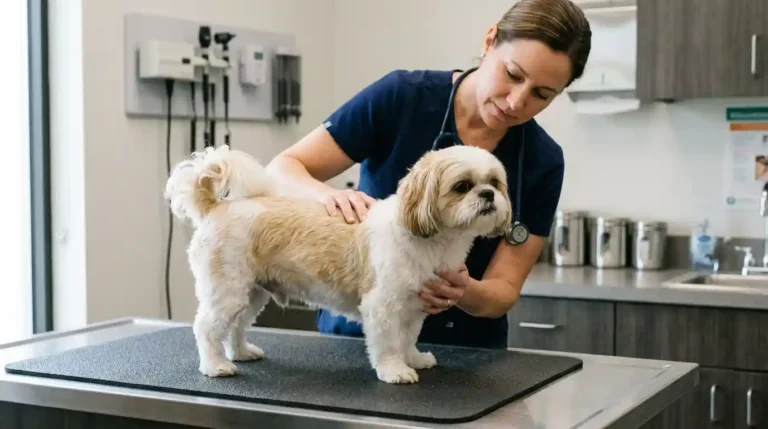
A digital rectal examination allows the veterinarian to evaluate the anal sacs and assess their size, consistency, and tenderness.
If impaction is present, the veterinarian may express the sacs when safe and appropriate.
If infection is suspected, the contents may be examined for inflammatory cells and microorganisms.
Dogs with repeated infections may require additional testing, including bacterial culture in selected cases.
Ultrasonography, tissue sampling, or biopsy may be recommended when a suspicious mass is present.
If cancer is suspected, blood tests and imaging may be needed to assess general health and whether the disease has spread.
The examination plan depends on the symptoms and how painful or abnormal the affected area appears.
What to Track Before Your Shih Tzu’s Vet Visit
Keeping a short symptom record can help your veterinarian identify patterns and possible contributing factors.
You do not need complicated equipment or a detailed medical journal.
A simple record on your phone is often enough.
Scooting, Licking, Odor, Leakage, and Bowel Changes
Record when symptoms begin and how frequently they occur.
Useful observations include:
- When your Shih Tzu starts scooting.
- How many times the dog scoots during a day.
- Whether licking happens after bowel movements.
- When unusual odors become noticeable.
- Whether fluid leaks onto bedding or furniture.
- Whether stools are firm, soft, or watery.
- Whether your dog strains or seems painful while defecating.
- Whether appetite, energy, or thirst has changed.
A short video of the behavior may help your veterinarian understand what you are seeing at home.
Do not delay urgent care simply to collect additional observations.
Recent Grooming, Diet Changes, and Previous Episodes
Also record relevant changes in your dog’s routine.
For example, note whether symptoms started after grooming, a new diet, a gastrointestinal illness, or an earlier anal gland expression.
Tell the veterinarian about previous infections, abscesses, or recurring impactions.
If your Shih Tzu receives supplements, medications, or a prescription diet, provide those details as well.
This information can help your veterinarian distinguish isolated anal sac problems from recurring disease associated with other health conditions.
Treatment for Shih Tzu Anal Gland Problems
Treatment depends on what is wrong with the anal sacs.
An uncomplicated impaction may require a relatively straightforward procedure, while infection, abscess formation, or cancer requires more extensive care.
Manual Anal Gland Expression
Manual anal gland expression involves physically emptying accumulated fluid from the anal sacs.
A veterinarian or appropriately trained veterinary technician can perform the procedure when it is medically indicated.
Before expression, the professional should assess the dog’s symptoms and the condition of the affected area.
If the contents are unusually thick or difficult to release, additional veterinary treatment may be needed.
Some dogs require flushing of the anal sacs or medication placed directly into them.
Manual expression may relieve discomfort caused by impaction, but it does not necessarily address underlying factors responsible for repeated episodes.
Healthy dogs whose anal sacs empty naturally generally do not need routine expression simply because of their breed.
Antibiotics, Pain Relief, and Other Medication
When infection or significant inflammation is present, a veterinarian may prescribe medication.
Possible treatments include:
- Antibiotics when bacterial infection requires them.
- Veterinary-prescribed pain medication.
- Anti-inflammatory medication when appropriate.
- Medication placed inside the anal sac after flushing.
- Antibiotic and corticosteroid preparations for selected cases.
Some treatments involve a steroid ointment or medicated preparation administered directly into the affected sac by a veterinary professional.
The specific medication depends on the diagnosis, severity, and any underlying conditions.
Never give your Shih Tzu human painkillers or leftover antibiotics without veterinary instructions.
Some common human medications can be dangerous or toxic to dogs.
Treating an Infection or Abscess
Anal sac infection may require flushing, local medication, and sometimes systemic antibiotics.
An abscess may need surgical drainage or wound treatment.
Your veterinarian may recommend sedation or anesthesia because the affected area can be extremely painful.
After treatment, an Elizabethan collar may be necessary to stop the dog from licking the wound.
Warm compresses may sometimes be recommended as part of veterinary-directed care, but they should not replace professional evaluation or be used as an excuse to delay treatment.
Follow all wound-care instructions carefully.
If a ruptured abscess continues to discharge, becomes increasingly swollen, or fails to improve, contact your veterinarian.
Surgery for Severe or Recurrent Problems
Dogs with severe, persistent, or recurrent anal sac disease may sometimes require surgery.
The surgical removal of an anal sac is called an anal sacculectomy.
This procedure may be considered when repeated infections or impactions do not respond adequately to appropriate treatment.
It can also be necessary for certain tumors.
Anal sacculectomy is a delicate procedure because the anal sacs are located close to muscles and nerves involved in bowel control.
Potential complications include:
- Surgical wound infection.
- Delayed wound healing.
- Temporary difficulty controlling bowel movements.
- Fecal incontinence, which may occasionally be permanent.
- Scar tissue or other postoperative complications.
Not every Shih Tzu with recurring anal gland problems needs surgery.
A veterinarian or veterinary surgeon can explain whether the potential benefits outweigh the risks in an individual case.
Treatment and Outlook for Anal Gland Cancer
Treatment for anal sac adenocarcinoma depends on the size and location of the tumor, whether it has spread, and the dog’s overall health.
Surgical removal is often an important treatment option when feasible.
In some cases, regional lymph nodes may also require surgical treatment.
Radiation therapy or chemotherapy may be considered depending on the stage of disease and recommendations from a veterinary oncologist.
Some dogs need treatment for elevated calcium levels or other complications before surgery.
The outlook varies considerably.
Dogs with smaller tumors that can be treated effectively may have a better prognosis than dogs with widespread disease or significant complications.
There is no single survival estimate that accurately describes every case.
For an overview of anal sac disorders and their management, the Cornell University College of Veterinary Medicine provides veterinary information covering impaction, inflammation, abscesses, and other anal sac conditions.
Who Should Express Your Shih Tzu’s Anal Glands?
Many owners wonder whether they should visit a veterinarian, ask a groomer, or attempt expression themselves.
The safest choice depends on the dog’s symptoms, medical history, and whether anal sac disease has been diagnosed.
What a Veterinarian or Veterinary Technician Can Assess
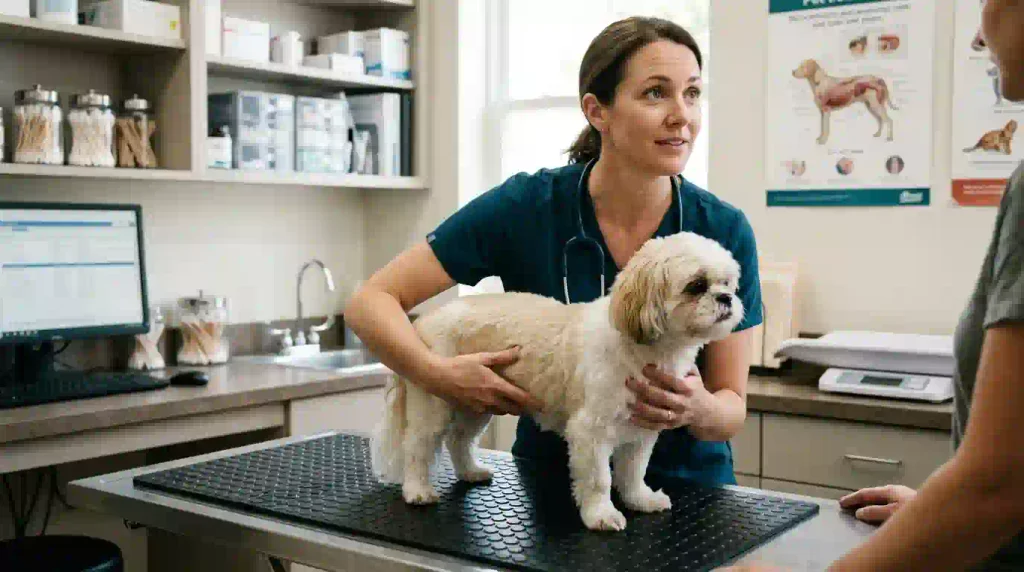
A veterinarian can examine the anal sacs and surrounding tissues to determine whether expression is appropriate.
A veterinary technician may also perform expression within their training, professional scope, and clinic’s procedures.
Unlike a routine grooming service, a veterinary visit can include evaluation for infection, swelling, abnormal masses, and other causes of discomfort.
Veterinary professionals can also identify situations in which attempting expression would be inappropriate without further examination.
For Shih Tzus with recurring symptoms, an established veterinary clinic can maintain records of previous treatments and help determine whether a pattern exists.
Questions to Ask Before Using a Groomer
Some groomers offer anal gland expression as an additional service.
However, not every dog needs the procedure during grooming.
Before requesting it, ask:
- Is anal gland expression included automatically or performed only when requested?
- What training does the groomer have?
- Does the groomer perform only external expression?
- Will the groomer stop if the dog shows pain or unusual swelling?
- Will the groomer recommend veterinary assessment if abnormal discharge or other symptoms are observed?
Groomers cannot replace a veterinary diagnosis.
If your Shih Tzu has blood, swelling, pain, repeated impaction, or suspected infection, consult a veterinarian rather than relying on grooming services.
You can also ask your veterinarian whether expression should be avoided during routine grooming when your dog has no symptoms.
Why Expression at Home Can Be Risky Without Instruction
Owners sometimes search for how to express Shih Tzu glands after noticing scooting or a strong odor.
Although manual expression may appear simple, attempting it without proper veterinary instruction can cause problems.
Potential risks include:
- Pain caused by excessive pressure.
- Irritation or injury to delicate tissue.
- Incomplete emptying of the anal sacs.
- Worsening inflammation.
- Damage to an infected or abscessed sac.
- Delayed diagnosis of another condition.
A painful swelling should never be squeezed.
At-home expression is particularly inappropriate when there is bleeding, a suspected abscess, or a firm unexplained mass.
If your veterinarian believes home expression is necessary for a specific recurring condition, request individualized instruction and clear guidance on when to stop and seek professional care.
For most owners, veterinary assessment is the better starting point.
Preventing Recurring Anal Gland Problems
Not every anal sac problem can be prevented.
However, supporting healthy bowel movements, maintaining an appropriate body condition, and addressing underlying medical issues may help reduce recurrence.
Supporting Healthy Stools With Diet and Fiber
Healthy stool consistency supports normal bowel function and may assist natural anal sac emptying.
For some dogs, dietary adjustments can improve stool quality.
A balanced diet appropriate for your Shih Tzu’s age, weight, and medical needs is an important starting point.
If your dog frequently produces soft stools, your veterinarian may recommend reviewing the diet or investigating digestive disease.
Additional dietary fiber may help some dogs increase fecal bulk.
Possible veterinary-recommended options include specific fiber-containing diets or carefully selected supplements.
However, pumpkin, psyllium, and commercial anal gland supplements are not suitable for every dog.
The amount and type of fiber matter, particularly in dogs with chronic diarrhea, constipation, or gastrointestinal disorders.
Introduce dietary changes only after considering your dog’s individual needs with a veterinarian.
Maintaining a Healthy Weight and Regular Exercise
Maintaining a healthy body condition is beneficial for overall health and may help reduce some factors associated with anal sac disease.
Your veterinarian can assess your Shih Tzu’s body condition score and recommend an appropriate target weight.
Feeding measured portions and limiting excessive treats can help prevent weight gain.
Daily physical activity can include gentle walks, supervised indoor play, and interactive enrichment.
Exercise should match the dog’s fitness level and breathing comfort.
Because Shih Tzus have short muzzles, avoid strenuous activity in hot or humid weather.
Healthy weight management is supportive care rather than a guaranteed way to prevent impaction.
Reviewing Skin Issues and Other Possible Contributors
If your Shih Tzu has recurring anal sac disease, your veterinarian may investigate additional conditions.
Allergies, digestive disturbances, and skin inflammation can sometimes contribute to recurrent problems.
Pay attention to symptoms such as persistent paw licking, recurrent ear inflammation, itching, diarrhea, or chronic skin irritation.
These observations may help identify conditions that deserve further investigation.
Regular grooming is especially useful for the Shih Tzu’s long coat.
Keep the hair around the rear end clean, and consider professional sanitary trimming to reduce trapped fecal matter and moisture.
Maintaining a clean coat does not prevent every anal sac problem, but it can reduce discomfort from unrelated hygiene issues.
For more guidance on routine care, grooming, and preventive health, explore our shih tzu health and wellness resources.
Deciding Whether Scheduled Checks or Expression Are Appropriate
There is no universal anal gland expression schedule that applies to every Shih Tzu.
Some dogs naturally empty their anal sacs throughout life and never require manual expression.
Others experience recurring impaction and may benefit from scheduled veterinary checks.
Your veterinarian may recommend an individualized follow-up plan based on the frequency of symptoms and previous examination findings.
Repeated expression without a clear need is not automatically beneficial and may irritate sensitive tissue.
The goal is to manage an actual medical problem rather than perform a procedure simply because the dog belongs to a small breed.
Owners looking for additional breed-specific care information can explore the Shit Zhu website; the breed’s correct name is Shih Tzu.

When to Contact a Veterinarian
Recognizing when to seek veterinary care can prevent unnecessary discomfort and serious complications.
Anal gland problems vary in urgency, so consider both the symptoms and your dog’s overall condition.
When to Arrange a Routine Appointment
Schedule a veterinary appointment if your Shih Tzu:
- Repeatedly scoots across the floor.
- Licks or chews the rear end frequently.
- Has recurring unexplained fishy odors.
- Appears mildly uncomfortable after bowel movements.
- Has experienced repeated anal sac impaction.
- Continues showing symptoms after a grooming appointment.
A dog that is otherwise comfortable, eating normally, and passing stool may not require emergency treatment, but persistent symptoms should not be ignored.
Even mild scooting may have causes other than anal gland disease.
When Swelling, Bleeding, Severe Pain, or Trouble Passing Stool Needs Prompt Care
Certain symptoms require more urgent attention.
Contact a veterinarian promptly, ideally the same day, if you notice:
- Red or painful swelling beside the anus.
- Bleeding or pus-like discharge.
- A suspected ruptured anal sac.
- Severe pain when sitting or moving.
- Significant difficulty passing stool.
- Rapidly worsening discomfort.
- Marked lethargy or loss of appetite.
If your Shih Tzu cannot pass stool, is repeatedly straining without success, or appears severely ill, seek emergency veterinary care.
Do not attempt gland expression, abscess drainage, or treatment with human medications.
These symptoms may indicate serious anal sac disease or another condition requiring immediate examination.
What to Do if Symptoms Persist or Return
Recurring symptoms suggest that the underlying problem may not be fully resolved.
Your veterinarian may recommend repeat examination, assessment of stool consistency, infection testing, or investigation of allergies and digestive disease.
A persistent mass or unusual enlargement may require imaging or tissue sampling.
Keep track of previous episodes and treatment responses.
If your dog improves after expression but symptoms rapidly return, explain this pattern to the veterinarian.
The goal is to identify why the problem keeps happening and develop an appropriate long-term care plan.
Frequently Asked Questions
How often should a dog’s anal glands be expressed?
There is no fixed schedule; expression should be performed when medically indicated or according to an individualized veterinary plan.
Do dogs need their glands expressed if they have no symptoms?
No, most healthy dogs naturally empty their anal sacs and do not require routine manual expression.
Can food cause anal gland problems in dogs?
Diet may contribute indirectly when it affects stool consistency, digestive health, or allergic inflammation.
What can happen if anal gland problems go untreated?
Untreated impaction or infection can progress to painful inflammation, abscess formation, or rupture.
What is the outlook for a dog with anal gland cancer?
The prognosis varies with tumor size, disease spread, calcium levels, overall health, and available treatment options.
Final Thoughts
Shih Tzu anal glands are normal anatomical structures, but problems can develop when their contents fail to empty properly or when inflammation and infection occur. Scooting, excessive licking, unpleasant odors, discomfort, and changes in bowel movements are important warning signs that deserve attention.
Fortunately, many non-cancerous anal sac conditions respond well to timely veterinary treatment. Maintaining healthy stools, supporting an appropriate body weight, keeping the rear-end coat clean, and addressing allergies or digestive problems may also help reduce recurring issues.
Remember that not every Shih Tzu needs regular anal gland expression, and attempting treatment without professional guidance can make a painful condition worse.
If your Shih Tzu shows persistent symptoms, contact your veterinarian for an examination. Early care can help keep your companion comfortable, healthy, and active.