
Black and Grey Shih Tzu: Identify the Coat and Its Changes
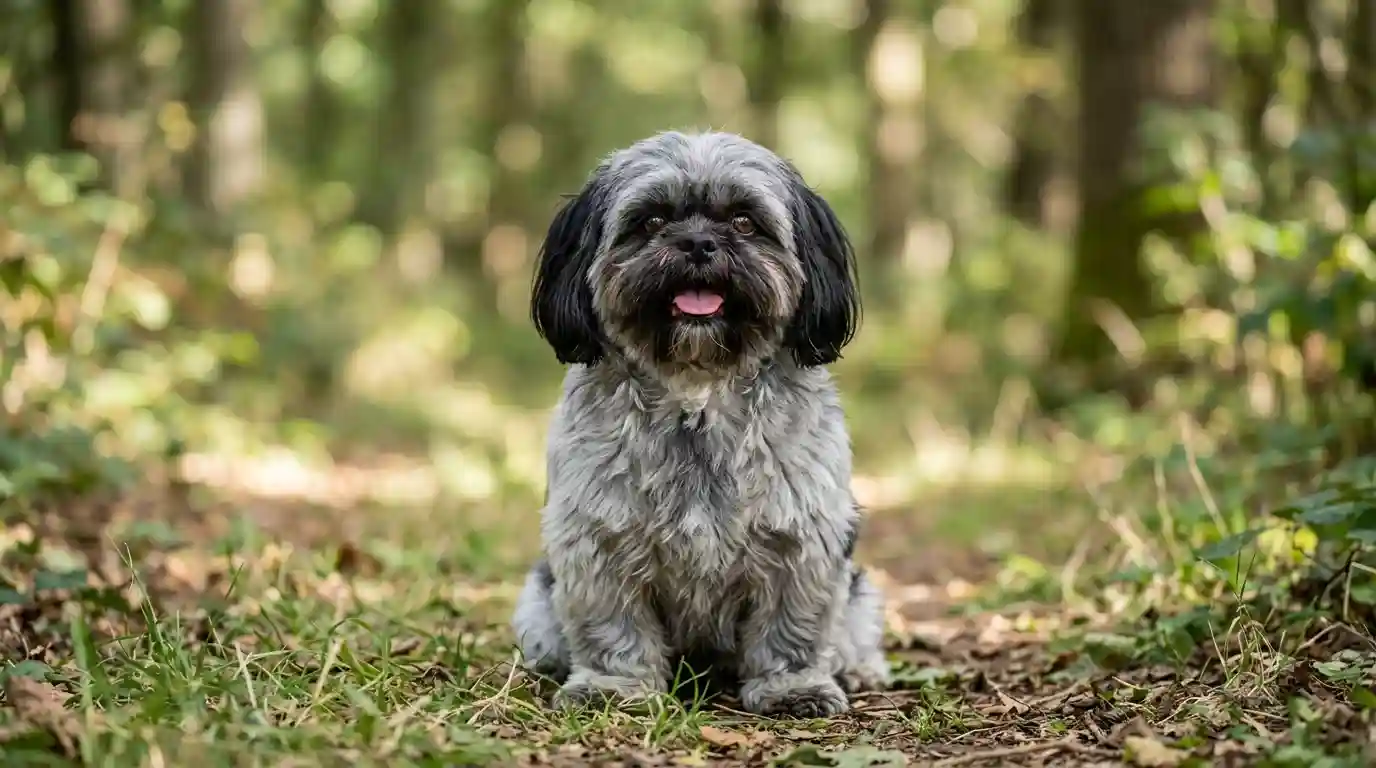
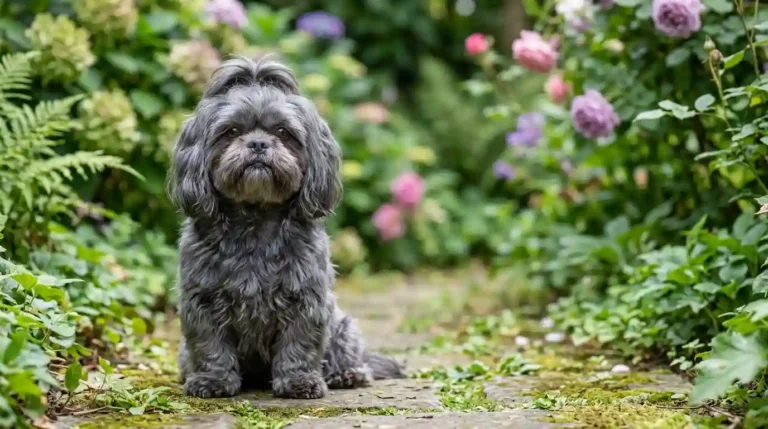
A black and grey Shih Tzu may have distinct patches of black and grey hair, or it may be a dog whose once-dark coat has gradually lightened. Owners often call the grey areas silver, especially when the hair has a pale sheen. Those descriptions tell you what the coat looks like; they do not, by themselves, reveal which genes produced it. That distinction matters when you are comparing puppy photos, choosing a registration color, or wondering whether a black puppy will stay black. A grey-looking coat also does not automatically make a Shih Tzu genetically “blue,” a term associated with diluted dark pigment. This guide shows you where to inspect the hair, how to distinguish grey from white and blue, what changes are possible as a puppy matures, and which questions to ask before choosing a dog. You will also find straightforward advice on grooming and on judging claims that a particular shade is rare or worth a higher price.
Table of Contents
- What Does a Black and Grey Shih Tzu Look Like?
- How Can You Identify the Colors in Photos and in Person?
- Is the Coat Grey, Silver, Blue, or Black and White?
- Why Does a Shih Tzu’s Black Coat Turn Grey?
- Will a Black and Grey Puppy Stay the Same Color?
- Is Black and Grey Recognized, Rare, or More Expensive?
- Does Coat Color Change Health, Temperament, or Care?
- Frequently Asked Questions
- Final Takeaway
What Does a Black and Grey Shih Tzu Look Like?
The quick answer: black and grey areas versus a coat that turned grey
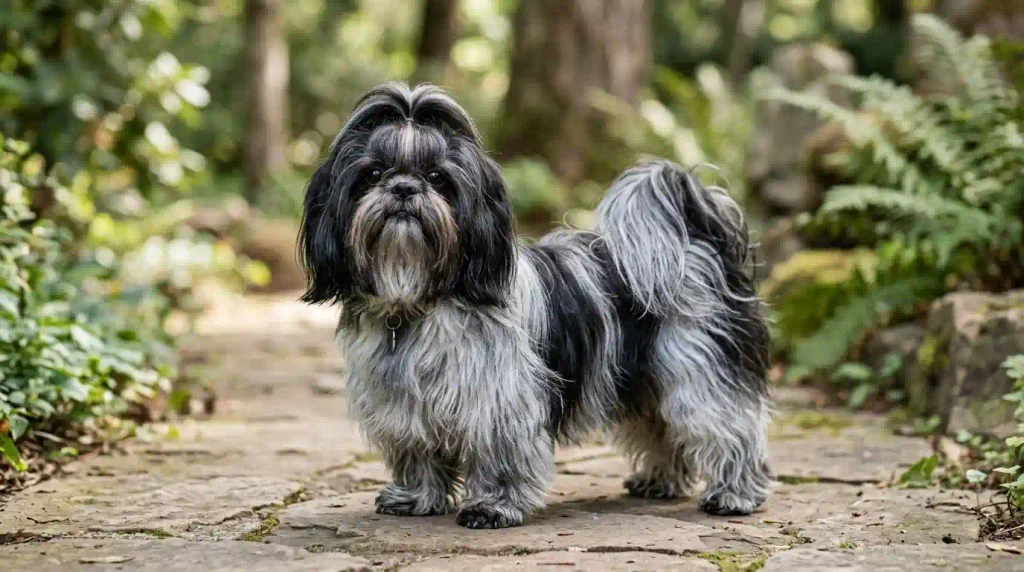
There are two common ways a Shih Tzu can earn the description black and grey. One has clearly separate areas of dark black and softer grey hair. The other started with more black hair as a puppy and developed grey or silver-looking areas as its adult coat grew in. Either dog may also have white markings on the chest, paws, or face.
Look at the hair itself, rather than judging from a single photograph. A dark face and ears may contrast with a lighter back. In another dog, black hairs and pale hairs grow close together, giving the coat an overall charcoal appearance from a distance. Hair near the skin can look different from the older hair at the ends.
“Black and grey” is a useful visual description, but it is not a precise account of the dog’s genetics. For a wider look at combinations and markings, see shih tzu colors.
Why owners may call the grey areas silver
Owners often use grey for a muted, darker shade and silver for hair that looks lighter or shinier. Lighting, grooming, and the length of the coat can make the same dog appear different in two photos. Neither everyday term guarantees a particular genetic result.
If you are comparing dogs described as a grey shih tzu or a silver shih tzu, focus first on what is visible: the shade of the hair, whether black areas remain, and whether apparent pale patches are grey hair or white markings. Save the genetic questions for a closer look at pigmentation and, when useful, a reputable coat-color test.
How Can You Identify the Colors in Photos and in Person?
Check the face, ears, back, legs, and hair near the skin
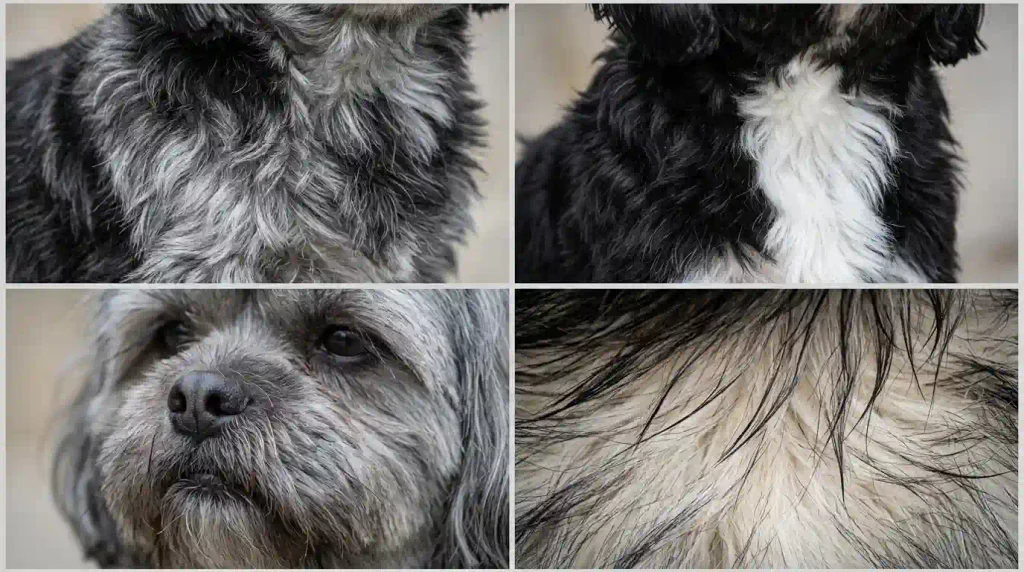
Examine the coat in natural light, gently separating the hair where the colors seem to meet. Start with the face and ears, where dark hair may be especially noticeable. Then check the shoulders, back, legs, tail, and chest. A pale area on the chest may be a white patch rather than grey fur; a dark-looking back may contain both black and grey hairs.
Notice how each color appears. Does the grey occupy a distinct section? Are pale hairs scattered through black hair? Are the hair tips dark while the newer growth underneath looks lighter? These observations help you describe the coat more accurately than “black and grey” alone.
Also inspect the nose, lips, and eye rims, but keep their purpose clear: they provide clues about skin pigmentation, not a complete diagnosis of coat genetics. Black facial hair is different from a black nose, just as grey hair is different from blue-toned nose pigment.
Use daylight photos to track changes
If you own the dog, take photos every few months in similar daylight, from the same angles. Include a close view of the parted hair and a full-body view. Note the dog’s age and whether it had recently been clipped. This simple record can show whether grey areas are growing in, whether black-tipped ends were trimmed away, or whether a change was only a lighting effect.
For a puppy you have not met, ask for current, unfiltered photos and a short video outdoors in shade. Request views of both sides, the face, and the back. A photograph can help you identify visible markings, but filters, flash, shadows, and wet hair can change how silver or grey looks.
Is the Coat Grey, Silver, Blue, or Black and White?
Grey or silver hair versus white markings
White markings tend to appear as recognizably white areas against darker hair. Grey or silver hair retains a darker cast, although very pale silver can be difficult to judge in a bright photograph. A dog may have all three: black sections, grey or silver sections, and white patches.
That is why a black and white shih tzu may look similar to a black and grey dog in a low-quality image. Likewise, a grey and white shih tzu can have dark hairs that make its coat look more complex at a glance. Parting the coat and checking the same areas in daylight usually gives you a better description.
Use parti-color to describe a coat with substantial white areas alongside another color; the word does not identify the precise shade of the nonwhite hair. Describe the visible colors separately when clarity matters.
What the nose, lips, and eye rims can reveal about blue pigmentation
In dog coat genetics, blue commonly refers to diluted black pigment. A genetically blue dog may have slate or blue-grey pigment on the nose, lips, and eye rims. A silver- or grey-haired Shih Tzu with clearly black pigmentation should not automatically be called blue simply because its hair looks grey.
The American Shih Tzu Club’s breed standard states that nose, lip, and eye-rim pigmentation is black except in liver-pigmented and blue-pigmented dogs. UC Davis’s Veterinary Genetics Laboratory explains that variants associated with dilution can modify black pigment to blue. Pigmentation is a helpful clue, although appearance alone may not settle every case.
This matters when comparing a grey-looking dog with a blue shih tzu or a blue gray shih tzu. Check the hair and the visible pigment, then ask what evidence supports the color label. A targeted genetic test may clarify a specific dilution variant, but a coat-color result is not a substitute for pedigree records or a health assessment.
When brindle or black-tipped hair creates a grey impression
Some coats look grey from a distance because dark and light hairs are closely mixed. A brindle pattern can produce dark streaks through a lighter background; black-tipped hairs can create a smoky effect over lighter growth. Grooming may expose the lighter section of a hair shaft and make the dog appear to have changed color suddenly.
A black brindle shih tzu has a pattern to inspect, while a silver brindle shih tzu may show lighter-looking areas between its darker streaks. Sable or dark tipping can also change the overall impression without creating distinct grey patches. When the pattern is unclear, describe exactly what you see rather than forcing a single label.
| What you observe | Useful first description | What to check next |
| Separate black and grey areas | Black and grey or black and silver | Part the hair to confirm each shade |
| Black areas plus bright white patches | Black and white | Check whether any pale areas are actually grey |
| Grey-looking hair with slate-toned nose pigment | Possibly blue-pigmented | Compare lips and eye rims; ask about testing |
| Dark tips above lighter hair | Black-tipped or sable-looking coat | Compare clipped and uncut areas |
| Dark streaks across lighter hair | Possibly brindle | Look for a repeating striped pattern |
These are observation tips, not a way to establish a dog’s genotype from a photo.
Why Does a Shih Tzu’s Black Coat Turn Grey?
Puppy coat and adult coat changes
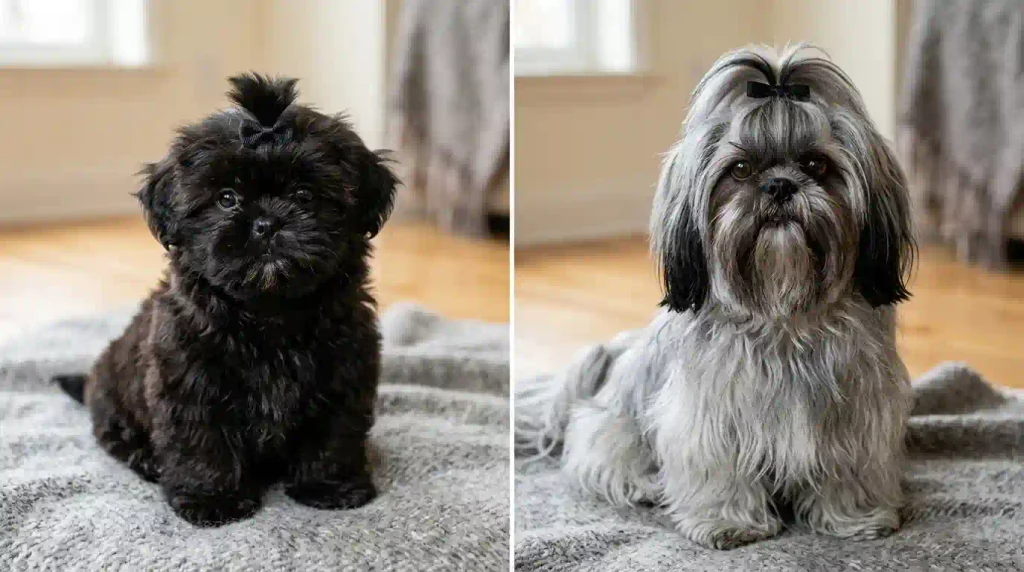
A puppy’s coat is an early snapshot, not a promise of its adult color. As new hair grows and the coat develops, a dark-looking puppy may show lighter grey or silver-looking areas. Existing black tips may remain at the ends of longer hairs for a while, then disappear when the dog is clipped. Those two events can make a color change appear faster than it actually was.
Changes vary between individual dogs. Some retain strong black sections; others develop much lighter areas. A dog can also gain scattered pale hairs with age. There is no reliable rule that every black Shih Tzu will turn grey, or that a specific grey puppy will become silver by a set birthday.
Compare dated photos before assigning a cause. If your dog looked lighter immediately after a haircut, examine whether the clipped hair is lighter closer to the skin. If the change appeared gradually over several months, note where new growth first became visible.
Inherited pigment traits and the limits of visual identification
Coat color involves several inherited traits that influence pigment and pattern. Black pigment is called eumelanin. Variants at the D locus can dilute black pigment to blue, but that is only one possible explanation for a grey-looking appearance. White spotting, patterned hairs, the shade of new coat growth, and grooming can all affect what an owner calls black and grey. UC Davis’s Veterinary Genetics Laboratory describes pigment modifiers and dilution, while also noting that additional genes influence colors and patterns.
Be cautious with claims that every silver Shih Tzu carries one named “fading gene” or that all age-related greying is the same as genetic blue dilution. A photograph cannot prove either claim. If the distinction matters for breeding or an accurate genetic description, discuss an appropriate test with a veterinarian or qualified genetics laboratory and ask what variants that test actually covers.
Color terms can also overlap in casual conversation. A dog described as “black and silver” may be grouped with silver and white shih tzu photos by a seller even though its white markings differ. Record the dog’s visible features first; interpret the label second.
When an unexpected coat or skin change merits a veterinary check
Gradual differences between a puppy coat and an adult coat are common. A sudden change accompanied by hair loss, itching, redness, scaling, sores, or a change in the skin itself deserves a veterinary examination. Those signs concern the condition of the coat or skin, rather than simply the shade you expected.
Check beneath the long hair while brushing. Mats can conceal irritated skin, and a color change in a photograph may be less important than discomfort you find during handling. If you are unsure whether a new pale area is hair growth, damage, or exposed skin, let a veterinarian examine it.
Will a Black and Grey Puppy Stay the Same Color?
What parents and earlier photos can suggest
Photos of both parents and, when available, older dogs from the same breeding lines may show the range of coat appearances possible in a family. They cannot guarantee what an individual puppy will look like later. Ask the breeder for dated pictures that show puppies before and after their adult coats began growing in. Look for consistent lighting and an honest description of changes.
Examine the puppy itself too. Is grey already visible at the roots? Are its ears darker than its body? Does it have white areas that will remain part of its visual pattern even if nearby hair lightens? These details can improve your description of the puppy today, but they do not produce a dependable adult-color forecast.
Why no breeder can guarantee the adult shade
A responsible breeder can explain the puppy’s current coat and share family photos. They should also be comfortable saying that its final shade is uncertain. Treat promises such as “guaranteed permanent black” or “will definitely turn rare silver” with caution unless the claim has a clear, limited basis.
If a particular appearance is essential to you, consider meeting an adult dog whose coat is already established. If you are choosing a puppy, prioritize a healthy, well-socialized companion over a predicted shade. The same approach applies to a puppy advertised as a black shih tzu: ask about the dog in front of you rather than assuming its coat will never change.
Is Black and Grey Recognized, Rare, or More Expensive?
Breed-standard acceptance versus registration labels
A black and grey appearance does not make a Shih Tzu unacceptable under its breed standard. The American Shih Tzu Club states that all colors and markings are permissible and should be considered equally. A registration form’s available color choices are a separate administrative matter; they may not use every everyday phrase an owner uses to describe a coat.
Nor does a color description establish ancestry. A purebred shih tzu can have varied markings, but pedigree depends on documented parentage, not on whether a photo looks like a particular color combination. Ask for the relevant records if a seller makes a purebred claim.
Assessing rarity and price claims
“Black and grey” can describe several different appearances, so a blanket rarity claim is difficult to assess. A seller might mean distinct silver patches, a blue-pigmented dog, or a puppy expected to lighten later. Ask which of those they mean and what supports the claim.
Avoid using color alone to justify a premium. Compare the breeder’s health information, veterinary records, the puppy’s living conditions, temperament, socialization, and the support offered after purchase. If two sellers use different labels for similar-looking puppies, the labels are less useful than clear photos and reliable records.
The American Shih Tzu Club’s standard gives no color or marking preference in breed judging. That does not set a market price, but it is a useful reminder that an appealing shade is only one small part of choosing a dog.
Does Coat Color Change Health, Temperament, or Care?
Grooming a long coat without losing sight of the skin
A black and grey Shih Tzu needs the same core coat care as other Shih Tzus. Work a brush through the coat regularly, paying attention to friction points behind the ears, beneath the legs, around the collar area, and near the tail. Part the hair to check for tangles close to the skin; a smooth-looking outer layer can hide a mat underneath.
For a long coat, daily brushing is a practical expectation. A shorter trim can make upkeep easier, but it still needs routine brushing and professional maintenance. Keep facial hair clean and away from the eyes, and ask a groomer to show you how to handle any areas your dog finds uncomfortable. The AKC advises daily brushing for Shih Tzus kept in a longer coat.
Bathing and clipping may change how the colors look. Clean silver hair can appear brighter; trimming dark ends can expose lighter growth. Neither action rewrites the dog’s genetics. Photograph the coat before and after grooming if you want to understand why its appearance changed.
Choosing a puppy for health and temperament
A dog’s black, grey, or silver hair does not tell you whether it will be affectionate, easy to train, or healthy. Spend time observing the individual puppy. Ask how it responds to gentle handling and ordinary household activity, what socialization it has had, and what health information the breeder or rescue can provide.
Ask to see veterinary records and any relevant health-screening information for the parents. Discuss the everyday commitment too: a long coat takes time, and a Shih Tzu needs appropriate training and companionship regardless of color. Readers comparing appearances with broader breed needs can start with shih tzu Breed Information and shih tzu facts.
If you are weighing coat upkeep because someone in the household has allergies, read the separate guide to shih tzu hypoallergenic claims. A black and grey coat does not, by itself, establish how someone will react to that dog.
Frequently Asked Questions
Is a black and grey Shih Tzu the same as a blue Shih Tzu?
No: grey describes visible hair, while blue refers to diluted dark pigment; examine the nose, lips, and eye rims and seek testing if the genetic distinction matters.
Can a black Shih Tzu puppy turn silver?
Yes: some dark-looking puppies develop lighter grey or silver-looking hair as their coats mature, but the outcome cannot be guaranteed from a puppy photo.
Can a purebred Shih Tzu have black and grey hair?
Yes: the breed standard permits all colors and markings; documented parentage, rather than coat appearance, supports a purebred claim.
Does a haircut change the coat’s actual color?
No: clipping can remove dark hair tips or reveal lighter growth, making the coat look different without changing its inherited traits.
Final Takeaway
A black and grey Shih Tzu is best identified by looking closely at the hair in natural light and noting where black, grey, silver-looking, and possibly white areas occur. Check nose, lip, and eye-rim pigmentation before assuming a grey-looking dog is genetically blue. If you are choosing a puppy, expect some uncertainty: family photos can offer context, but no picture guarantees its adult shade. Keep the coat brushed, inspect the skin beneath it, and place health, temperament, and responsible breeding ahead of rarity claims. Next step: take clear daylight photos of your dog or prospective puppy, record its current markings, and bring specific questions about pigmentation or unexpected skin changes to a veterinarian.
One Comment