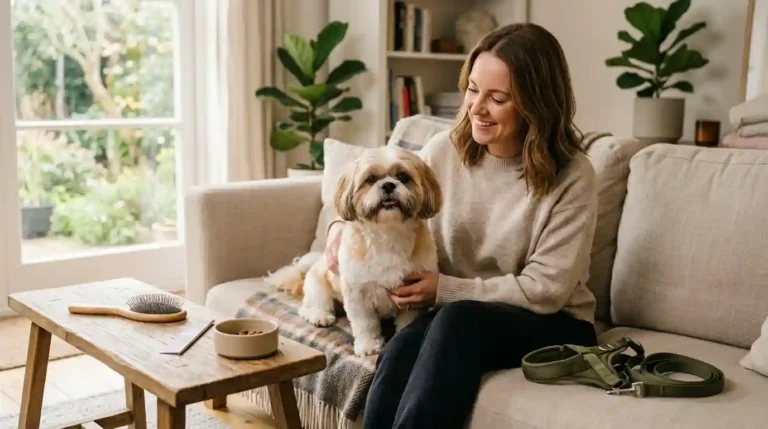

Shih Tzu Sleeping: Hours, Habits, and Health Warning Signs
Summary: How much sleep does a Shih Tzu need? A healthy adult commonly sleeps about 12–14 hours in a 24-hour period, including daytime naps. Puppies often need 18–20 hours, while seniors may sleep longer or rest more frequently. These are guides, not targets every dog must meet. Your Shih Tzu’s usual pattern, energy when awake, appetite, and breathing tell you more than a single number. A dog who naps happily and wakes for meals, walks, and attention is different from one who suddenly sleeps much more and seems weak or difficult to rouse. Shih Tzu sleeping habits also change with age, activity, temperature, and household routines. Because this breed has a short snout, noisy breathing deserves attention, especially if it is new or comes with difficulty breathing. This guide explains what to expect from newborns through seniors, how to make nights easier, and when a change calls for a veterinarian.
Table of Contents
- How Much Do Shih Tzus Sleep?
- Why Do Shih Tzus Sleep So Much?
- Understanding Shih Tzu Sleeping Habits
- Where Should a Shih Tzu Sleep?
- How to Help a Shih Tzu Sleep Through the Night
- Shih Tzu Sleep Problems and Warning Signs
- Frequently Asked Questions About Shih Tzu Sleeping
- Final Thoughts
How Much Do Shih Tzus Sleep?
If you are asking, “How many hours a day does a Shih Tzu sleep?” count both nighttime sleep and daytime naps. Dogs rarely get all their rest in one uninterrupted stretch. A Shih Tzu may sleep beside you overnight, wake briefly when you move, and take several naps during the day.
For a quick starting point, many adult dogs sleep around 12–14 hours daily. Young puppies commonly sleep 18–20 hours, while older dogs may need more rest than they did in adulthood. Individual needs vary. Keep track of what is normal for your dog rather than trying to make every day match a fixed total.
| Life stage | General sleep pattern | What owners should watch |
| Newborn | Sleeps for most of the day between nursing | Warmth, nursing, steady growth, and normal responsiveness |
| Puppy | Often about 18–20 hours across the day and night, especially when young | Playful, alert periods between naps and age-appropriate potty breaks |
| Adult | Often around 12–14 hours in a full day | A fairly steady pattern and normal interest in daily activities |
| Senior | Often more rest than during adulthood; needs vary widely | New nighttime waking, discomfort, confusion, or a sudden change |
These ranges describe dogs generally; there is no precise number that applies to every Shih Tzu. A sleepy dog who wakes readily and enjoys normal activities may be fine even if their schedule looks different from the table.
How Much Do Shih Tzus Sleep at Each Age?
Newborns
Newborn puppies spend nearly all their time nursing and sleeping. They cannot follow a household bedtime routine, and short periods of activity between feeds are expected. Newborn puppies may sleep for roughly 90% of the day.
At this age, sleep alone is a poor measure of health. A puppy who is cold, struggles to nurse, cries continuously, or seems unusually limp needs prompt veterinary advice. If you are caring for a litter, monitor feeding, warmth, and weight gain along with rest.
Puppies
Do Shih Tzu puppies sleep a lot? Yes. An older puppy may race around the room, play intensely for a short time, and then fall asleep. Young puppies commonly need 18–20 hours of sleep per day as their bodies and nervous systems develop. They get that sleep in many blocks, so frequent naps are normal.
A Shih Tzu puppy sleeping through an afternoon is not necessarily going to stay awake all night. Puppies need daytime naps even when owners hope for a quiet evening. Watch how the puppy behaves after waking: curiosity, interest in food, and bursts of play are reassuring.
“How long do Shih Tzu puppies sleep at night?” has no single answer. A puppy may settle for several hours yet still wake for a bathroom break. Age, training, and individual bladder control matter more than breed. Plan for nighttime potty trips while the puppy is young, then adjust the routine as they mature.
Adults
An adult Shih Tzu may spend roughly 12–14 hours a day asleep, with a long nighttime stretch and several naps. Some will rest more on quiet days and less when family activity keeps them engaged. The important distinction is between a dog that chooses to nap and one that cannot comfortably take part in normal activities.
If you wonder, “Does my Shih Tzu sleep a lot?” compare today with their usual week. Did they still get up for breakfast, greet you, enjoy a walk, and respond to familiar sounds? A regular napper can be perfectly lively when awake.
Seniors
A senior Shih Tzu may sleep longer, take more naps, or need a quieter place to rest. Aging can change activity and recovery time. However, a new pattern of sleeping all day or pacing at night should not be dismissed as “just old age.” Pain, illness, and changes in the sleep–wake cycle can affect older dogs. Many geriatric dogs sleep around 12–15 hours a day, though individual needs vary.
For senior dogs, note how they rest. Can they lie down easily? Do they change position repeatedly? Are they comfortable enough to sleep, or simply less willing to move? Those observations help a veterinarian identify what may be going on.
Nighttime Sleep vs. Daytime Naps
A Shih Tzu’s daily sleep duration includes every doze on the sofa, in a sunlit corner, or near your desk. Nighttime sleep is often longer because the home is quiet and the family is resting. Daytime naps may be shorter and easier to interrupt.
This pattern explains why a sleeping Shih Tzu can appear to be “asleep all day” while still responding instantly to the sound of a food bowl. Dogs move through sleep cycles and may briefly wake, look around, and settle again. Try recording naps for two or three ordinary days if you want a more accurate picture than memory alone provides.
Do Shih Tzus Sleep More Than Other Breeds?
There is no reliable universal sleep quota unique to Shih Tzus. Breed temperament, age, health, activity, and home routine all influence rest. A companion dog spending a quiet day indoors may have more opportunities to nap than a dog with a busy schedule.
So, do Shih Tzus sleep a lot? Many do, but their behavior while awake matters more than a comparison with another breed. For a broader look at your dog’s everyday needs, explore our Shih Tzu Daily Care guides.
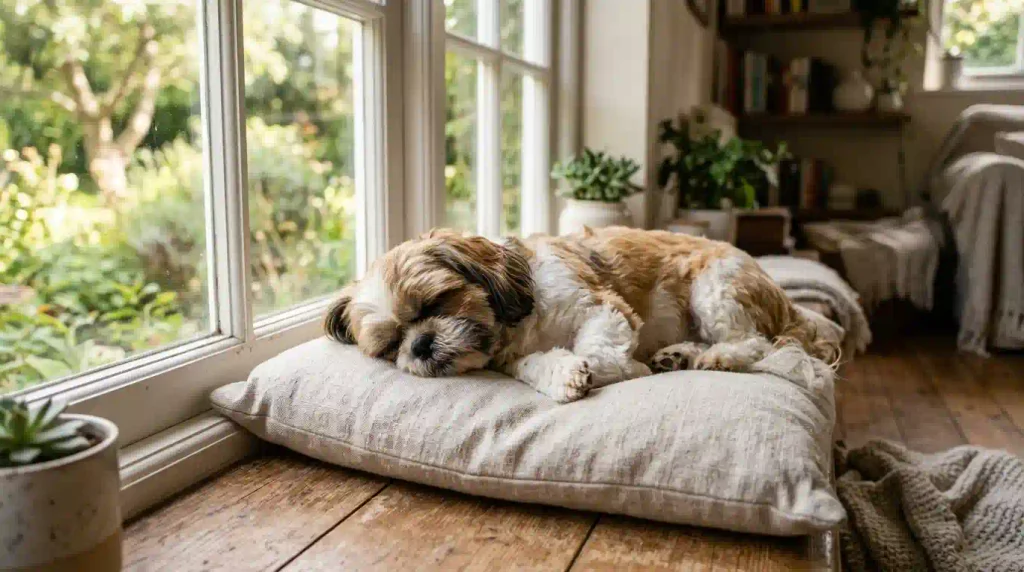
Why Do Shih Tzus Sleep So Much?
Owners often ask, “Why does my Shih Tzu sleep so much?” Usually, the answer involves a mix of normal canine sleep patterns and the dog’s daily routine. A puppy may be growing. An adult may have had an active morning. A senior may need longer recovery after a gentle walk.
Look for a change rather than assuming that every long nap has the same cause. A dog who has always enjoyed afternoon naps is different from one who suddenly loses interest in food and stays in bed.
Breed Temperament, Exercise, and Mental Stimulation
Shih Tzus are companion dogs, and many are content to relax near their people. They still benefit from suitable exercise and mental stimulation. Short walks, sniffing time, gentle games, and simple training can give structure to the day.
A well-rested dog is usually able to enjoy activity appropriate for their age and health. If your Shih Tzu sleeps much of the day because nothing is happening, add a little variety gradually. A food puzzle or brief training session may engage them without demanding strenuous exercise.
Watch breathing and comfort during activity. A short-snouted dog who becomes unusually noisy, overheated, or exhausted after mild exercise needs veterinary assessment rather than more exercise.
Growth, Aging, and Recovery
Growth is demanding work for a puppy. Play, learning, meals, and new experiences are followed by sleep that supports development. This is why a Shih Tzu puppy sleeping frequently can be entirely normal.
Adults may rest more after an unusually busy day. Seniors may need more time to recover from ordinary activities. Still, recovery should lead back to their familiar level of alertness. If your dog remains unusually tired, appears sore, or refuses activities they normally enjoy, arrange a veterinary check.
Boredom, Stress, and Changes in Routine
A quiet dog may nap because the house offers little to do. A stressed dog may also sleep differently, waking often or struggling to settle when left alone. Changes such as travel, visitors, a new work schedule, or a new pet can disrupt the usual sleep pattern.
If the change follows a household event, provide a predictable daily routine and a quiet place to retreat. Observe whether the dog settles once things become familiar. Do not label persistent withdrawal, nighttime pacing, or a marked drop in energy as boredom without checking for a health problem.
Separation anxiety may show up as distress around departures, vocalizing, or difficulty relaxing alone. If those signs appear, speak with your veterinarian or a qualified behavior professional about a gradual plan.
Weather and Room Temperature
Heat can change where and how a Shih Tzu rests. A dog may leave a plush bed for a cooler floor, especially in a warm room. Because Shih Tzus have short snouts, overheating and breathing difficulty deserve particular care. Make sure the sleeping area has comfortable ventilation, access to water, and a temperature your dog can tolerate.
Cold weather may encourage a dog to curl up or seek a warmer place. Keep the bed away from drafts while allowing the dog to move if they become too warm.
If you have searched for “Shih Tzu sleeping outdoor,” the safest everyday choice is a sheltered indoor sleeping area. Outdoor heat, cold, weather changes, and limited supervision can make it harder to keep a small companion dog comfortable or notice breathing trouble.
Meals and Feeding Times
A dog may settle for a nap after a meal. Feeding at predictable times also helps establish a predictable bathroom and bedtime routine. However, unusual sleepiness along with vomiting, refusal to eat, a swollen abdomen, or clear discomfort calls for veterinary advice.
If dinner seems to be followed by frequent nighttime potty trips, discuss a suitable feeding schedule with your veterinarian. Keep fresh water available; do not restrict it just to prevent waking.
Understanding Shih Tzu Sleeping Habits
Shih Tzu sleeping habits include more than the number of hours on a clock. Notice where your dog settles, which positions they choose, how easily they wake, and whether they breathe comfortably. A familiar pattern is useful because it makes a meaningful change easier to spot.
Light Sleep, Deep Sleep, REM, and Dreaming
Dogs cycle through lighter and deeper stages of sleep. During lighter sleep, your Shih Tzu may lift their head when someone walks past. During deeper sleep, they may be less responsive to ordinary household sounds. REM sleep is associated with dreaming, and you might see little paw movements, whisker twitches, or a soft sound.
Let a peacefully sleeping dog rest. If you need to wake them, call their name from a short distance instead of touching them suddenly. If movements are prolonged, violent, or followed by confusion or difficulty recovering, record what happened and contact your veterinarian.
Common Shih Tzu Sleeping Positions
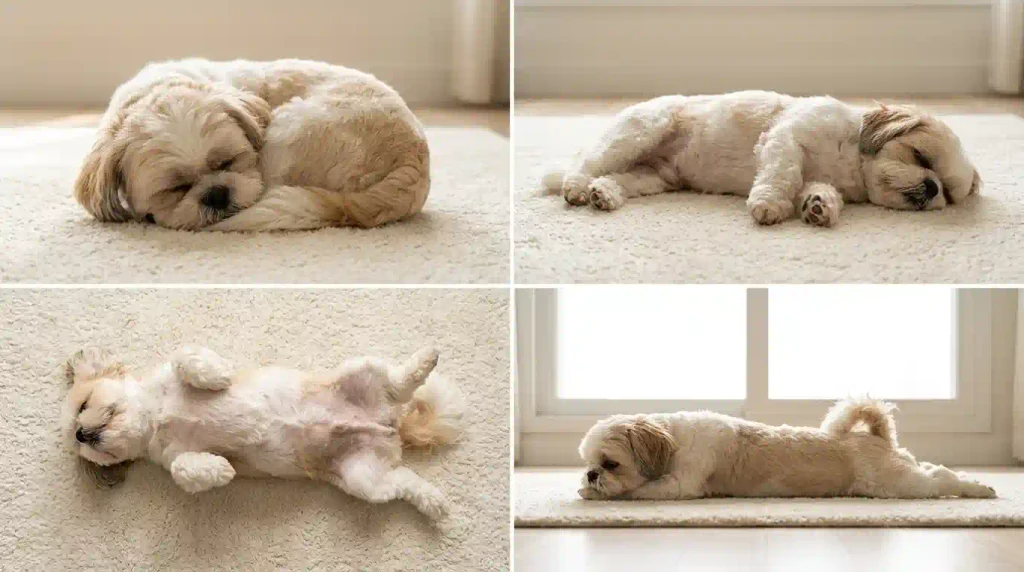
Shih Tzu sleeping positions offer clues about comfort, although no single position reveals exactly what a dog is feeling.
A dog curled up may be conserving warmth or simply enjoying a familiar shape. Side sleeping often allows the body to relax fully. Back sleeping, with the belly exposed, can be a comfortable choice for some dogs. If you search for “Shih Tzu sleeping on back,” remember that the position itself is usually less important than whether the dog appears comfortable and breathes easily. A dog stretched out on a cool floor may be seeking relief from warmth.
Some dogs switch positions repeatedly before they settle. A new inability to get comfortable, particularly with stiffness, whining, or reluctance to lie down, deserves attention.
Why Do Shih Tzus Sleep With Their Eyes Partly Open?
A dog can appear to sleep with the eyes partly open. You may see a pale inner eyelid or brief eye movement while the dog is dozing or dreaming. If the eyes look comfortable when your Shih Tzu wakes and this has always been their pattern, note it without assuming a problem.
Contact a veterinarian if the eye stays open unusually wide, looks red or cloudy, produces discharge, or seems painful. Squinting, rubbing the face, and a sudden change in appearance also warrant an eye check. Eye problems can worsen quickly, so avoid waiting several days to see whether obvious discomfort passes.
Why Does My Shih Tzu Sleep at My Feet?
Sleeping at your feet can put your dog close to you while still giving them room to stretch out. They may also like the warmth, familiar smell, or the ability to notice when you get up. It does not prove a single emotion or mean they are guarding you.
If you wonder, “Why does my Shih Tzu like to sleep with me?” consider what your dog chooses throughout the day. Many Shih Tzus enjoy proximity to their people. Provide a comfortable alternative bed nearby so your dog can choose where to rest.
Why Does My Shih Tzu Choose the Floor Instead of a Bed?
The floor may feel cooler, firmer, or easier to reach. A fluffy bed that seems inviting to you may be too warm or difficult for an older dog to step into. Move the bed away from direct heat, try a flatter option, and see whether your dog’s preference changes.
Notice the context. If your dog abruptly abandons a long-used bed and also pants, struggles to settle, or seems painful, investigate the change. A position or location becomes useful information when you compare it with the dog’s usual behavior.
Where Should a Shih Tzu Sleep?
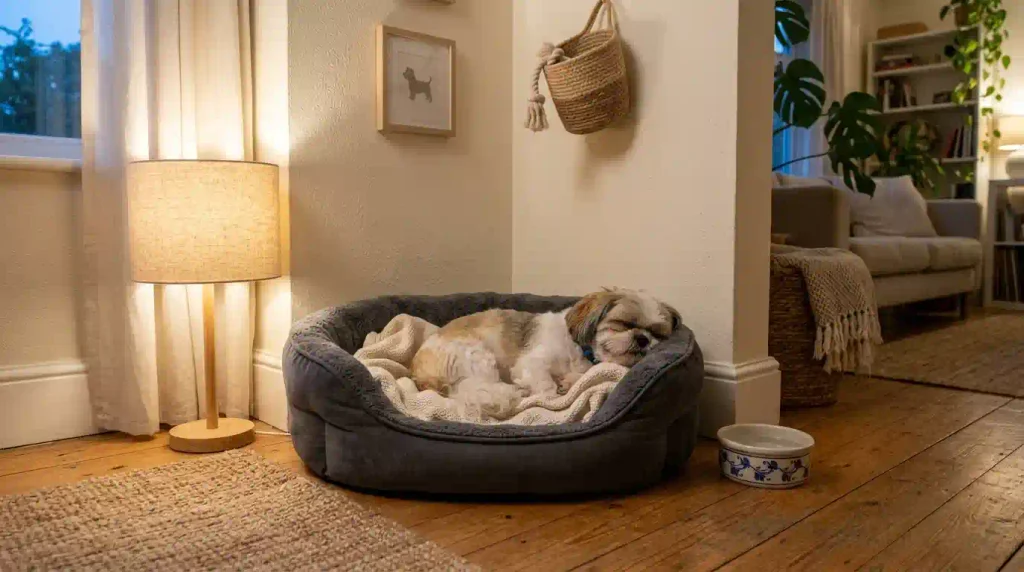
The best sleeping place is safe, comfortable, and easy for your Shih Tzu to access. It should also let you notice a puppy’s nighttime needs or a senior’s changes in comfort. Your household can decide whether the dog sleeps in a bedroom or another indoor room; consistency helps either arrangement work.
How to Choose a Bed and Sleeping Area
Choose a bed large enough for your Shih Tzu to stretch out but cozy enough to settle comfortably. A washable cover makes cleanup easier. A senior with joint discomfort may benefit from a supportive, low-entry orthopedic bed; ask your veterinarian about persistent stiffness or pain.
Place the bed in a quiet area away from drafts and excessive heat. If your home is busy, offer a second resting spot where the dog will not be stepped over or disturbed. Check that blankets do not block airflow around the face.
A crate or playpen can provide a defined sleeping space when introduced gradually and positively. Keep it comfortable and appropriately sized, and never use it as punishment. If your dog panics or cannot settle, work on the introduction rather than forcing a full night inside immediately.
Can a Shih Tzu Sleep Alone at Night?
Yes, many Shih Tzus can learn to sleep alone. Start with a comfortable sleeping space and a predictable routine. If the dog is new to your home, begin with the bed, crate, or playpen near you, then move it gradually if your goal is a different room.
Puppies may wake because they need a bathroom break. A dog who becomes distressed when separated needs a slower approach. Watch the difference between brief settling sounds and sustained panic. If anxiety persists, ask your veterinarian for guidance.
Should a Shih Tzu Sleep in Your Bed?
Bed sharing is a household choice if it is safe and everyone can sleep comfortably. Think about your dog’s ability to get on and off without jumping from a height. A small puppy or a senior with joint discomfort may need a separate bed, safe steps, or help moving.
Keep an alternative sleeping spot available. A Shih Tzu may prefer the floor or their own bed on a warm night. If snoring, restlessness, or frequent waking interrupts either of you, sleeping nearby in separate beds may work better.
Can Shih Tzus Sleep Without a Light On?
Most Shih Tzus can sleep in a dark room. Keep the layout familiar and avoid leaving obstacles on the floor. A dim night-light may help you navigate for puppy potty breaks or support an older dog who seems uncertain at night.
Lighting alone will not solve nighttime confusion, pain, or anxiety. If a senior suddenly struggles to find their way or paces after dark, tell your veterinarian about the change.
How to Help a Shih Tzu Sleep Through the Night
A good night begins with a manageable day. Regular meals, suitable activity, naps, and bathroom opportunities help a Shih Tzu settle. The goal is a routine your dog can follow, not an attempt to keep them awake until bedtime.
Set a Consistent Bedtime Routine
Choose a bedtime you can maintain most nights. In the evening, shift from exciting games to calm activity. Give your dog a final chance to relieve themselves, then lead them to their sleeping place with the same simple cue each night.
Keep the area comfortable and reasonably quiet. If street sounds or household movement repeatedly wake your dog, move the bed to a calmer location. A routine will take time to learn, especially after a move or adoption.
Keep notes if you are troubleshooting: bedtime, last potty break, overnight waking, and morning wake time. A few days of observations can reveal whether your dog is waking at a predictable time.
Balance Exercise, Play, and Daytime Naps
Appropriate walks, sniffing, play, and brief training sessions can make daytime satisfying. Adjust them to your dog’s age, fitness, and breathing. Avoid strenuous activity during hot weather, and stop if your Shih Tzu appears distressed.
Do not try to make a puppy sleep all night by preventing naps. An overtired puppy may become more unsettled. Allow naps in a calm place and use gentle daytime engagement between them.
If your dog enjoys water activities, read our guide on Can Shih Tzu Swim before adding swimming to an exercise routine. Choose activities your dog can do comfortably and safely.
Helping a New Shih Tzu Puppy Sleep
A new puppy must adjust to unfamiliar sounds, smells, people, and sleeping arrangements. Expect some waking during the first nights. Set up the sleeping area before bedtime so you can respond calmly instead of rearranging everything when the puppy cries.
The First-Night Sleep Plan
Put the puppy’s bed, crate, or playpen in a quiet spot near you. Let them explore it while awake. Offer an age-appropriate evening meal and play period, followed by a calm wind-down and a final potty trip.
At bedtime, use a short, familiar cue and keep the room settled. If the puppy wakes, pause briefly to assess whether they need the toilet or reassurance. Keep necessary nighttime trips quiet and uneventful so the puppy learns that night is for rest.
Avoid expecting an eight-week-old puppy to follow an adult schedule immediately. Build the routine over days and weeks while watching how your particular puppy responds.
Nighttime Waking and Potty Breaks
Young puppies often need a nighttime bathroom break because they cannot yet wait as long as adult dogs. Take the puppy to the designated potty place, allow time to go, praise calmly, and return them to bed. Avoid turning the trip into playtime.
A common training estimate for the maximum time between breaks is a puppy’s age in months plus about one hour. Treat that as a rough starting point, not a promise. Individual puppies vary, and you should respond to signs that yours needs to go sooner.
As your puppy matures and consistently stays dry, adjust the schedule gradually. Frequent accidents, straining, or an abrupt increase in urination call for veterinary advice.
Making Nighttime Easier for a Senior Shih Tzu
A senior may need an easier route to their bed, a supportive sleeping surface, and a later potty break. Keep the route free of clutter. If your dog has trouble with stairs or jumping, arrange a ground-level sleeping place.
Watch for patterns: does the dog wake to urinate, pace without an obvious goal, whine while lying down, or move from bed to bed? These details can point toward different issues. Nighttime pacing and a reversed sleep–wake pattern can occur with canine cognitive dysfunction, but other medical causes should also be assessed.
Do not give a dog human sleep medicine or pain medicine without veterinary direction. A veterinarian can evaluate discomfort, changes in urination, breathing, and cognition before recommending a plan.
Shih Tzu Sleep Problems and Warning Signs
If you have searched “Why is my Shih Tzu sleeping a lot?” the most useful next question is: What else has changed? A sleep total by itself rarely tells the whole story. Compare it with appetite, breathing, movement, bathroom habits, and enthusiasm when awake.
Is My Shih Tzu Sleeping a Lot or Lethargic?
A dog who sleeps a lot still wakes, recognizes familiar people, and shows interest in normal activities. A lethargic dog seems unusually weak, dull, or reluctant to respond even after waking.
For example, “My Shih Tzu sleeps a lot but jumps up for a walk and eats normally” describes a different situation from “My Shih Tzu sleeps all day, will not get up for food, and seems weak.” The second pattern needs prompt veterinary advice.
If your dog is hard to rouse, collapses, has trouble breathing, or appears severely unwell, seek emergency veterinary care. Do not wait to finish tracking their sleep.
When Is a Shih Tzu Sleeping Too Much?
There is no single hour count at which every Shih Tzu is sleeping too much. A sudden increase that persists, especially alongside appetite change, reduced energy, vomiting, pain, or unusual thirst or urination, warrants a veterinary call.
Look at the full picture across several ordinary days when your dog is otherwise well. If a Shih Tzu sleeps more after a particularly active day but returns to their normal behavior, that differs from a continuing decline. For puppies and seniors, changes can be easy to explain away as growth or aging, so pay attention to how they behave during waking hours.
Snoring and Noisy Breathing
Some Shih Tzus snore or snort because of their short-snout anatomy, but “common” does not mean every breathing sound is harmless. VCA Animal Hospitals’ guide to brachycephalic airway syndrome explains how airway problems can affect short-snouted dogs during activity and sleep.
Listen for a change from your dog’s usual sound. New or worsening snoring, wheezing, noisy breathing while awake, difficulty exercising, or heat intolerance deserves evaluation. If you can, make a short recording to show the veterinarian.
When to Book a Veterinary Check
Book a check if snoring is new, noticeably louder, or accompanied by coughing, nasal discharge, exercise intolerance, repeated sleep disruption, or difficulty getting comfortable. A veterinarian can assess the airway and consider other possible causes.
Do not assume a quieter sleeping position fixes an underlying airway problem. Position can affect comfort, but persistent or worsening breathing noise needs professional assessment.
When Breathing Trouble Is an Emergency
Seek emergency veterinary care if your Shih Tzu is struggling to breathe, has blue or gray gums, collapses, or cannot recover from breathing distress. Keep the dog calm and cool while arranging immediate care. Breathing difficulty is urgent even if the dog was asleep when it began.
Frequent Waking, Restlessness, and Early Rising
An occasional unsettled night can follow a change in routine. Repeated nighttime waking needs a closer look. Consider whether your Shih Tzu needs to urinate, is too warm, hears disturbing noises, or has trouble getting comfortable.
Write down when waking happens and what the dog does next. Does a potty break solve it? Do they pace, pant, scratch, or settle only after changing position? A clear description helps your veterinarian investigate.
Pain or Difficulty Getting Comfortable
A dog with joint discomfort or another source of pain may circle repeatedly, switch sleeping positions, hesitate before lying down, or wake when moving. You might also notice stiffness after rest, reluctance to jump, or a change in how they walk.
Offer a supportive, accessible bed, but arrange a veterinary assessment when discomfort persists. A comfortable bed can help with rest; it cannot diagnose or treat the cause of pain.
Nighttime Confusion vs. a Potty Break
A dog who wakes, goes directly to the door, relieves themselves, and settles again may simply need a bathroom break. A senior who wanders, seems lost in a familiar room, stares, vocalizes, or remains awake after a potty trip may need assessment for a medical or cognitive issue.
Canine cognitive dysfunction can affect the sleep–wake cycle, but similar behavior can occur for other reasons. Describe the behavior to your veterinarian instead of trying to diagnose it from nighttime pacing alone.
When Does a Change in Sleep Need Veterinary Attention?
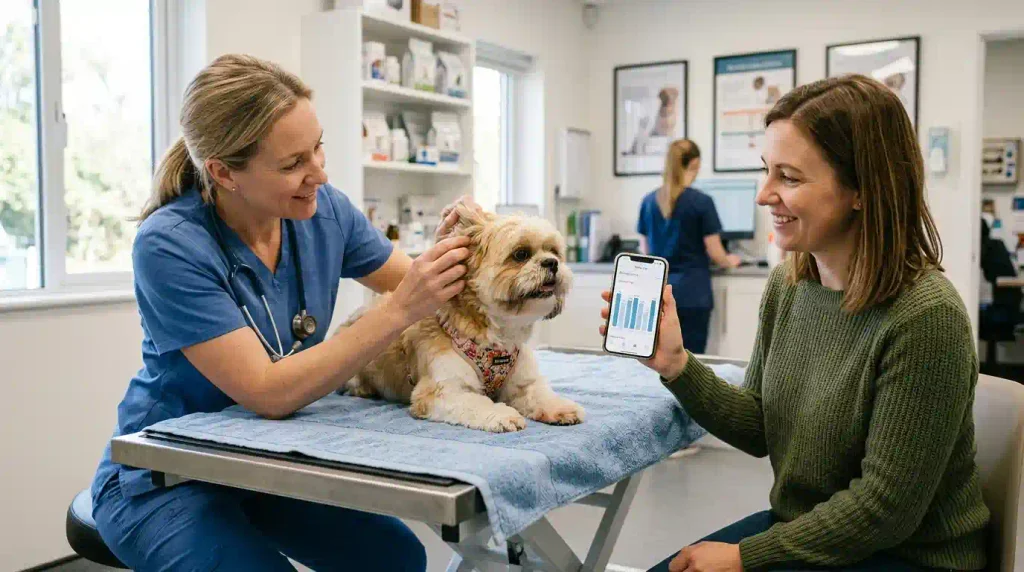
Contact your veterinarian if a change is sudden, lasts beyond an unusual day, or comes with reduced appetite, unusual thirst, bathroom accidents, pain, restlessness, or a loss of interest in familiar activities. Ask for prompt advice if a newborn or young puppy is weak, fails to nurse or eat, or is unusually difficult to wake.
Breathing distress, collapse, or severe weakness needs emergency care. For less urgent changes, arrange a regular appointment and bring your observations. You do not need to prove that your dog has exceeded a particular number of sleeping hours before asking for help.
What Should You Record Before Calling the Vet?
A simple sleep record can be more helpful than saying, “My Shih Tzu sleeps a lot.” For two or three days, when it is safe to observe, note approximate bedtimes, naps, nighttime waking, and how easily the dog settles again. Add meals, activity, bathroom trips, medicines, and any changes in breathing or behavior.
Record a short video of unusual snoring, pacing, or movements if you can do so safely. Tell the veterinarian when the change started and whether it is getting worse. If your dog has emergency signs, call or go in immediately; do not delay care to complete a log.
Frequently Asked Questions About Shih Tzu Sleeping
Is It Normal for a Shih Tzu Puppy to Sleep Most of the Day?
Yes; young puppies commonly sleep around 18–20 hours daily, provided they wake for feeding, play, and normal interaction.
Can Shih Tzus Have Dreams or Nightmares?
Shih Tzus can dream during sleep, but an owner cannot reliably tell from twitching alone whether a dream is pleasant or frightening.
Why Has My Shih Tzu Suddenly Changed Sleeping Positions?
Temperature or comfort may explain it, but a sudden change with pain, restlessness, or breathing trouble calls for veterinary advice.
How Long Can a Shih Tzu Sleep at Night Without Waking Up?
Many adults can sleep through much of the night, while puppies often need potty breaks and seniors may wake more frequently.
Recommended Sleep Products for Shih Tzus

Calming Donut Dog Bed
For dogs that love to curl up and get cozy.

Orthopedic Dog Bed
Supportive resting surface for senior dogs.

Heartbeat Puppy Toy
May help some new puppies settle at bedtime.

Final Thoughts
Shih Tzu sleeping needs change throughout life. Puppies often spend most of the day asleep, adults usually combine nighttime sleep with naps, and seniors may rest longer. The best guide is your dog’s normal pattern and how they behave when awake. A comfortable indoor bed, suitable activity, and a steady bedtime routine can help them settle. Watch more closely when sleep changes suddenly, your dog seems lethargic, or breathing becomes noisy or difficult. Keep a brief record and speak with your veterinarian when something feels different; seek emergency care for breathing distress or collapse. For more guidance on keeping your Shit Zhu comfortable day to day, explore the site’s care resources.